Hearing Aids Innovations Showcasing Technological Advances

Last Updated on 22/11/2025 by Admin

Revolutionary Advancements in Hearing Aid Technology

Stylish Designs and Innovative Miniaturisation

The shift towards compact and more discreet hearing aids has profoundly altered the user experience and acceptance among those with hearing impairments. With recent breakthroughs in materials and design, modern hearing aids not only deliver exceptional functionality but also boast a fashionable and comfortable look. Users now enjoy the benefits of amplification technology without the discomfort or self-consciousness that older models often induced. Significant design innovations include:

  • Minimised size and weight for enhanced comfort during extended use.
  • Superior aesthetic offerings with customisable colours and styles to match individual tastes.
  • Ergonomic designs that sit comfortably within the ear.
  • Water-resistant materials that boost durability and reliability.
  • Invisible options that fit entirely within the ear canal for unparalleled discretion.
  • Rechargeable models that remove the hassle of frequent battery replacements.
  • User-friendly controls designed for easy operation.

These advancements not only increase the appeal of hearing aids but also encourage a larger segment of individuals facing hearing difficulties to seek assistance, thereby significantly enhancing their quality of life. This ongoing evolution in design highlights a broader technological trend prioritising user comfort and experience.

Enhanced Sound Clarity Through Advanced Digital Signal Processing

Digital Signal Processing (DSP) has fundamentally changed the capabilities of hearing aids, offering users unparalleled sound clarity and superior sound management. By converting sound waves into digital signals, DSP technology meticulously analyses and adjusts sounds in real-time, ensuring users hear what truly matters. The benefits of DSP in hearing aids include:

  • Improved sound quality, resulting in clearer speech and music.
  • Adaptive noise reduction that effectively minimises distracting background sounds.
  • Feedback elimination to eradicate bothersome whistling and buzzing noises.
  • Custom sound settings tailored to individual hearing profiles.
  • Automatic adjustments that adapt to diverse listening environments.
  • Multi-channel processing for enhanced sound discrimination.
  • Superior performance in acoustically challenging situations.

These sophisticated features empower users to engage more fully in conversations and daily activities, emphasising how sound technology can significantly enhance everyday experiences. As DSP technology progresses, it promises even greater improvements in auditory experiences for individuals with hearing loss.

Integrating Wireless Connectivity for Optimal User Experience

Modern hearing aids frequently feature wireless connectivity, facilitating seamless integration with smartphones, televisions, and various other electronic devices. This level of integration dramatically enhances user experience, catering to an increasingly tech-savvy world. The advantages of wireless hearing aids encompass:

  • Direct audio streaming from smartphones and televisions, enriching media consumption.
  • Remote customisation via apps, enabling quick and personalised adjustments.
  • Enhanced communication in various environments, including crowded venues.
  • Hands-free phone calls that enhance convenience and accessibility.
  • Integration with other smart devices for a more cohesive user experience.

This level of connectivity not only simplifies the operation of hearing aids but also enriches users’ interactions with technology and their surroundings. By bridging the gap between hearing devices and everyday technology, wireless hearing aids empower users to lead more engaged and interconnected lives.

Insights from Experts on Hearing Aids as Reflections of Technological Progress

A Comprehensive History of Hearing Aid Development

Investigating the history of hearing aid technology provides critical insights into contemporary advancements. The earliest hearing aids, such as ear trumpets from the 18th century, were rudimentary and limited in effectiveness. The introduction of electrical hearing aids in the 20th century marked a pivotal leap forward, significantly enhancing amplification and clarity. Early innovations like vacuum tube amplifiers paved the way for today’s sophisticated transistor-based devices.

These historical milestones not only inform the designs we see today but also lay the groundwork for modern innovations. For example, the transition from analog to digital technology has allowed for more precise sound processing, enhanced user customisation, and improved performance. The launch of programmable hearing aids in the late 20th century enabled audiologists to tailor devices to individual requirements, establishing a benchmark for the advanced technology of today.

Current Breakthroughs Influencing Hearing Aid Technology

Recent trends in hearing aid technology reflect the impact of broader technological advancements. Innovations like AI integration for personalised sound adjustments and rechargeable battery options are redefining user experiences. The rise of over-the-counter hearing aids highlights a shift towards increased accessibility, allowing more individuals to benefit from hearing assistance without the need for professional fittings.

One of the most exciting trends is the application of artificial intelligence, which enables hearing aids to learn from users’ preferences and surroundings. This results in automatic adjustments that optimise sound quality across different settings. Additionally, the push for sustainability has driven innovations in battery technology, promoting longer-lasting and eco-friendly solutions. These trends not only enhance the functionality of hearing aids but also demonstrate a broader commitment to improving quality of life for users globally.

Anticipated Trends and Predictions for Hearing Aid Technology

Experts predict a future filled with ongoing innovation in hearing aid technology, propelled by continuous research and development. A primary focus is further miniaturisation, with future hearing aids potentially becoming even smaller and virtually invisible, while still integrating advanced features to enrich auditory experiences. Enhanced AI capabilities are also anticipated, with expectations that hearing aids will process sounds in real-time more intelligently, dynamically adjusting to users’ environments and preferences.

Moreover, the integration of hearing aids with health monitoring systems, such as tracking heart rate and movement, is gaining traction. This could lead to multifunctional devices that address not only hearing loss but also overall wellness, providing users with a comprehensive understanding of their health. Such advancements underscore how hearing aids will continue to serve as reflections of technological progress, evolving into essential tools for managing both auditory and general health.

In What Ways Do Hearing Aids Enhance Quality of Life?

Enhancing Communication Abilities

Hearing aids significantly improve the capacity to communicate effectively, leading to enhanced social interactions and reduced feelings of isolation. When individuals can hear clearly, they can fully engage in conversations, partake in social activities, and maintain vital relationships. The psychological benefits associated with improved hearing are profound; studies indicate that individuals who hear well experience enhanced cognitive function, a decreased risk of depression, and an overall increase in well-being.

Furthermore, improved hearing fosters greater control and independence. When individuals can engage in conversations without struggling to hear, their confidence flourishes, allowing for more expressive communication. This newfound ability to converse effectively can transform social dynamics, making gatherings and outings enjoyable rather than stressful. Consequently, hearing aids do more than merely amplify sound; they empower users to reclaim their rightful place in social settings.

Encouraging Independence in Daily Activities

Hearing aids play a critical role in allowing individuals to maintain independence in their daily lives. By enhancing auditory function, users can confidently navigate their surroundings, whether crossing busy streets, participating in group activities, or managing everyday tasks. This independence is essential for fostering a sense of agency and self-reliance, particularly among older adults who may feel vulnerable due to hearing loss.

Additionally, the ability to hear well contributes significantly to safety. Enhanced hearing enables individuals to detect critical sounds, such as alarms, approaching vehicles, or conversations with family members. This heightened situational awareness is vital for making informed decisions and taking appropriate actions throughout daily life. Ultimately, hearing aids empower users to lead more autonomous lives, enriching their experiences and enhancing their overall quality of life.

Social and Professional Benefits of Hearing Aids

Hearing aids can dramatically enhance social interactions and open up professional opportunities by improving hearing capabilities in various contexts. In social situations, users with hearing aids are more likely to engage in conversations, fostering deeper relationships and a more fulfilling social life. This enhancement also helps alleviate feelings of loneliness and isolation, which are often common among individuals with hearing loss.

In professional environments, effective communication is crucial. Hearing aids facilitate better understanding during meetings, presentations, and one-on-one discussions, leading to improved performance and collaboration. Research shows that individuals with hearing loss who utilise hearing aids frequently report greater job satisfaction and career success. Enhanced communication skills foster increased confidence, enabling users to articulate their ideas more freely and engage fully with colleagues. Thus, hearing aids play a vital role in cultivating both social connections and professional development.

Essential Technological Features of Contemporary Hearing Aids

Microphones and Receivers: The Foundation of Sound Clarity

The quality of microphones and receivers in hearing aids profoundly impacts sound clarity and overall user satisfaction. Modern hearing aids are designed with multiple microphones that enable directional hearing, allowing users to focus on sounds coming from specific directions while reducing background noise. This capability proves especially advantageous in busy or loud environments where discerning speech can be particularly challenging.

Receivers play an equally vital role, converting electrical signals back into sound. Advanced hearing aids feature high-quality receivers that ensure clarity and fidelity, making conversations and music enjoyable. Users experience improved speech understanding, particularly in acoustically demanding situations, contributing to a more satisfying auditory experience. As technology evolves, we can anticipate even further enhancements in microphones and receivers, continuing to elevate users’ experiences and satisfaction with their hearing aids.

Innovations in Battery Technology for Enhanced Convenience

Recent advancements in battery technology have led to longer-lasting and more convenient power sources for hearing aids. Earlier models relied on disposable batteries, necessitating regular changes and incurring significant costs over time. The introduction of rechargeable batteries marked a significant breakthrough, allowing users to charge their devices overnight and enjoy uninterrupted use throughout the day without the hassle of replacements.

Rechargeable hearing aids typically utilise lithium-ion technology, which offers extended life spans and greater sustainability compared to traditional batteries. This shift not only enhances user convenience but also reduces waste, contributing to a more environmentally friendly approach to hearing aid usage. Ongoing advancements in battery technology promise even greater efficiency and longevity, enabling users to engage fully with their hearing aids without the constant concern of running out of power.

Artificial Intelligence and Machine Learning: The Future of Hearing Aids

Artificial intelligence (AI) and machine learning are transforming hearing aid functionality by enabling real-time sound adjustments, noise cancellation, and personalised hearing experiences tailored to individual user environments. AI algorithms can analyse sound settings within milliseconds, allowing hearing aids to adapt seamlessly to changing conditions. For example, when moving from a quiet room to a bustling café, the hearing aid can automatically adjust to prioritise speech while minimising background noise.

Moreover, machine learning capabilities empower hearing aids to learn user preferences over time, making subtle adjustments based on commonly visited settings and personal feedback. This level of personalisation enhances the listening experience, making it more intuitive and user-friendly. As AI technology continues to evolve, we can expect hearing aids to develop into even more sophisticated tools, providing unparalleled support for individuals with hearing loss.

Enhancing Sound Quality through Digital Signal Processing

Digital Signal Processing (DSP) significantly improves sound quality by filtering and amplifying specific frequencies, ultimately enhancing speech comprehension in noisy environments. By employing advanced algorithms, DSP can effectively differentiate between background noise and speech, ensuring users can focus on relevant sounds without distraction. This technology proves particularly beneficial in settings such as restaurants or social gatherings, where competing sounds can easily overwhelm conversations.

DSP also allows for customised settings based on user preferences, delivering tailored auditory experiences. For instance, users may desire greater sensitivity to certain frequencies associated with speech while minimising others. This level of personalisation is crucial in ensuring that hearing aids meet the unique needs of each individual, thereby enhancing their overall experience. As DSP technology continues to advance, it is likely to provide even more refined sound experiences for users around the world.

Research-Backed Benefits Illustrating Hearing Aids as Indicators of Technological Progress

Empirical Evidence Supporting the Effectiveness of Hearing Aids

Research consistently demonstrates that hearing aids can vastly improve hearing capabilities and enhance users’ quality of life. Numerous studies reveal that individuals using hearing aids report higher levels of social engagement, stronger relationships, and improved overall well-being. For those experiencing hearing loss, the appropriate hearing aid can be transformative, allowing them to participate more fully in daily activities.

When selecting a hearing aid, it is essential to follow actionable steps grounded in research findings. Individuals should consult with audiologists to undergo thorough hearing evaluations and explore available options. Personal trials can also be advantageous; many manufacturers offer trial periods to ensure users find the most suitable device for their needs. This evidence-based approach empowers users to make informed decisions, maximising the benefits associated with hearing aid technology.

The Impact on Cognitive Health and Function

The link between hearing aid usage and cognitive health is an emerging area of interest among researchers. Studies indicate that using hearing aids can slow cognitive decline and enhance brain function in individuals with hearing loss. By improving auditory input, the brain can process and engage with sounds more effectively, reducing the cognitive strain associated with trying to hear in difficult environments.

Additionally, improved hearing facilitated by hearing aids encourages greater social engagement, which is vital for preserving cognitive health as individuals age. Social interaction stimulates the brain, providing necessary cognitive challenges that can help maintain mental acuity. The connection between hearing health and cognitive functionality underscores the importance of addressing hearing loss and illustrates how hearing aids signify significant advancements in technology and their positive impact on overall health.

Long-Term Outcomes for Hearing Aid Users

Longitudinal studies indicate that consistent hearing aid usage results in improved auditory and overall health outcomes over time. Individuals who regularly wear hearing aids often report heightened satisfaction across various aspects of life, including work, social interactions, and family relationships. The practice of using hearing aids fosters better auditory experiences and mitigates the challenges associated with hearing loss.

Moreover, long-term hearing aid users are more likely to maintain their independence and actively engage within their communities. This sustained engagement leads to better mental health and fewer feelings of isolation. By consistently using hearing aids, individuals can experience cumulative benefits that significantly enhance their quality of life. As hearing aid technology continues to evolve, long-term outcomes for users are expected to improve even further.

How Are Hearing Aids Custom-Fitted for Users?

Tailored Fitting and Programming Processes

Hearing aids are meticulously customised to individual hearing profiles through precise fitting and programming methods, ensuring optimal performance. This process begins with a comprehensive audiological assessment where audiologists evaluate the user’s specific hearing loss and preferences. Based on this assessment, hearing aids are programmed to amplify the required frequencies, addressing the unique needs of each user.

The fitting process often involves adjustments based on user feedback, ensuring that the devices deliver the desired auditory experience. This level of customisation is paramount; it enables users to hear comfortably and clearly, maximising the advantages of their hearing aids. Ongoing advancements in fitting technology, including software that allows for remote adjustments, further enhance the customisation experience, ensuring users receive continuous support as their hearing needs evolve.

Accommodating User Preferences and Individual Settings

Modern hearing aids can be adjusted to reflect user preferences, such as volume and sound profiles, thus creating a personalised auditory experience. Many devices now feature intuitive controls that allow users to modify settings based on their environments and activities. For example, users may prefer different configurations while watching television compared to engaging in conversation at a café.

Additionally, numerous hearing aids come equipped with smartphone applications that enable users to manage settings directly from their devices. These apps often include features such as environmental adjustments, equalizers, and personalised sound profiles, allowing for greater flexibility in managing hearing preferences. This combination of advanced technology and user autonomy empowers individuals with hearing loss to tailor their auditory experiences to their specific needs.

Continuous Adjustments and Ongoing Support

Regular adjustments and support are essential for ensuring that hearing aids consistently meet user needs effectively. Audiologists and hearing specialists provide routine check-ups, allowing users to address any concerns and make necessary modifications to their devices. These appointments are crucial for monitoring hearing health and making adjustments based on lifestyle changes or evolving hearing requirements.

Moreover, many manufacturers now offer remote support options, enabling audiologists to adjust settings and troubleshoot issues without requiring users to visit the office. This convenience is particularly beneficial for individuals facing mobility challenges or those residing in remote areas. By prioritising ongoing support, hearing aid users can maintain optimal performance and adapt their devices to their changing auditory environments.

Accessibility and Affordability of Hearing Aids

Increasing Access through Over-the-Counter Solutions

The growing availability of over-the-counter hearing aids has significantly improved accessibility for many users, particularly those with mild to moderate hearing loss. This shift signifies a broader movement towards democratising hearing assistance, allowing individuals to acquire devices without the need for a professional fitting. Over-the-counter options typically feature simpler designs and functionalities, making them more user-friendly and approachable for those unfamiliar with hearing technologies.

Additionally, regulatory changes facilitating the sale of over-the-counter hearing aids aim to reduce costs and eliminate access barriers. By offering a more affordable alternative to traditional hearing aids, these options empower a greater number of individuals to seek assistance for their hearing loss. As awareness of hearing health continues to grow, over-the-counter hearing aids are poised to play a pivotal role in addressing the global hearing loss epidemic.

Insurance Coverage and Financial Assistance Programs

A variety of insurance plans and financial assistance programmes are available to help cover the costs of hearing aids, enhancing affordability for users. Hearing loss can significantly impact one’s quality of life, and financial constraints should not prevent individuals from obtaining necessary treatment. Insurance coverage varies widely; however, some plans offer partial or full reimbursement for hearing aids, alleviating financial burdens.

Furthermore, numerous non-profit organisations and governmental programmes exist to provide financial assistance to those in need. These resources aim to ensure that individuals from all socioeconomic backgrounds can access hearing aids and services. As awareness of the importance of hearing health continues to grow, it is crucial for stakeholders to advocate for policies that enhance coverage and accessibility, making hearing aids a viable option for all individuals.

Cost-Effective Technological Solutions

Innovations in manufacturing and technology have paved the way for more economical hearing aid solutions. As production methods improve and new materials are developed, manufacturers can offer high-quality hearing aids at reduced prices. For instance, advancements in digital technology and automation have streamlined the production process, lowering costs without compromising on quality.

Additionally, the rise of telehealth has enabled more efficient service delivery, allowing audiologists to conduct remote consultations and adjustments. This efficiency can lead to lower overall costs for users, thus enhancing the accessibility of hearing aids. As the industry continues to innovate and adapt, the potential for cost reduction will expand, ultimately benefiting individuals who rely on hearing aids to improve their quality of life.

Integration of Hearing Aids with Cutting-Edge Technologies

Smartphone Connectivity and Application Control

Hearing aids can now be efficiently controlled and customised through smartphone applications, significantly enhancing user control and convenience. These applications enable users to manage various settings, including volume adjustments, program changes, and environmental profiles, all from the convenience of their smartphones. This level of control empowers users to tailor their hearing experience according to their immediate surroundings and activities.

Moreover, many of these apps include additional functionalities, such as tracking hearing aid performance, providing usage statistics, and offering feedback options for audiologists. Such integration not only makes hearing aids more user-friendly but also encourages a sense of ownership and engagement among users. As technology advances, we can anticipate even more intuitive features and connections that will enhance the hearing experience through seamless smartphone integration.

Connecting with the Internet of Things

The integration of hearing aids with Internet of Things (IoT) devices creates a more connected and seamless user experience. Smart home technologies, including voice-activated assistants, can be linked to hearing aids, allowing users to control household devices using voice commands. This connectivity enriches the daily lives of individuals with hearing loss, enabling them to navigate their environments with greater ease and convenience.

Furthermore, IoT integration supports the development of smart hearing aids capable of dynamically adjusting settings based on environmental cues and user preferences. For example, these devices might automatically modify settings in response to changes in noise levels or recognise specific locations, such as a favourite café or home, and adjust accordingly. As IoT technology continues to progress, hearing aids will become increasingly integrated into users’ lifestyles, providing comprehensive support and enhancing overall quality of life.

Telehealth Innovations in Hearing Aid Care

Telehealth has transformed hearing aid services by facilitating remote consultations and adjustments. This innovation greatly enhances accessibility and convenience for users, particularly for those living in remote areas or with mobility challenges. Through telehealth platforms, audiologists can conduct assessments, provide guidance, and adjust hearing aids without requiring in-person visits.

The benefits of telehealth extend beyond convenience; they also enhance the overall user experience. Regular check-ins and support can be conducted from the comfort of home, ensuring that users receive necessary care without the stress of travel. Additionally, telehealth fosters ongoing relationships between users and audiologists, promoting a proactive approach to managing hearing health. As the healthcare landscape evolves, telehealth is poised to play a critical role in shaping the future of hearing aid services and support.

Wireless Connectivity for Superior Listening Experiences

Wireless hearing aids can connect to a range of devices, such as TVs and computers, significantly enhancing the user’s listening experience across multiple platforms. This connectivity enables direct audio streaming, making it easier to enjoy shows, music, and phone calls without needing additional accessories. This seamless integration improves the auditory experience, ensuring that users can fully engage with their favourite media without the barriers typically associated with traditional hearing aids.

In addition, wireless connectivity supports advanced features like multi-device pairing, enabling users to switch effortlessly between devices. For instance, users can transition from watching television to answering a phone call without the need for manual adjustments to their hearing aids. This level of convenience empowers users to enjoy a more enriched and connected lifestyle, demonstrating how modern technology continues to enhance hearing aids and the overall auditory experience.

Artificial Intelligence: Pioneering the Future of Hearing Aids

The integration of AI in hearing aids facilitates noise reduction, speech enhancement, and automatic scene detection, significantly improving overall hearing performance and user satisfaction. By utilising machine learning algorithms, hearing aids can analyse sound environments in real-time, making immediate adjustments to optimise the listening experience. For example, in a noisy restaurant, AI can amplify speech sounds while dampening background noise, facilitating clearer conversations.

Moreover, as users interact with their surroundings, AI can learn and adapt to their preferences, providing a highly personalised auditory experience. This adaptive technology not only enhances usability but also instills confidence in users as they navigate various settings. As AI continues to evolve, hearing aids are likely to incorporate even more sophisticated features, solidifying their role as essential tools for individuals experiencing hearing loss.

Frequently Asked Questions

What are the key advancements in hearing aid technology?

The key advancements include miniaturisation for discreet designs, digital signal processing for improved sound quality, and wireless connectivity for seamless integration with various devices.

How do hearing aids affect cognitive health?

Research suggests that using hearing aids can slow cognitive decline and improve brain function by enhancing auditory input and promoting social engagement.

What role does AI play in modern hearing aids?

AI enhances hearing aids by enabling real-time adjustments, optimising sound based on environmental conditions, and personalising user experiences using machine learning.

Are over-the-counter hearing aids a viable option?

Yes, over-the-counter hearing aids can be effective for individuals with mild to moderate hearing loss, providing a more accessible option for those in need of assistance.

How can I choose the right hearing aid for myself?

Selecting the appropriate hearing aid involves consulting with an audiologist, assessing individual hearing needs, and potentially trying different options to identify the best fit.

Why is ongoing support essential for hearing aid users?

Ongoing support ensures that hearing aids continue to meet user needs through regular adjustments, enhancing performance and addressing any concerns that may arise.

In what ways do hearing aids improve social interactions?

Hearing aids enhance social interactions by clarifying speech, reducing background noise, and enabling users to engage more fully in conversations.

What does the future of hearing aid technology look like?

The future of hearing aid technology is expected to feature advancements in miniaturisation, enhanced AI capabilities, and integration with health monitoring systems for comprehensive user support.

How do hearing aids foster independence in daily activities?

Hearing aids promote independence by enhancing auditory function, allowing users to navigate their environments confidently and engage in daily activities without assistance.

What advantages does wireless connectivity offer in hearing aids?

Wireless connectivity enables direct audio streaming from devices, remote adjustments, and integration with smart technology, significantly enriching the overall user experience.

Explore our world on X!

The post Hearing Aids Innovations: Reflecting Technological Progress appeared first on The Microsuction Ear Wax Removal Network.

Hearing Aids Innovations Showcasing Technological Advances

Last Updated on 22/11/2025 by Admin

Discover the Transformative Innovations in Hearing Aid Technology

Embrace Cutting-Edge Miniaturisation and Trendy Designs

The evolution towards more compact and discreet hearing aids has profoundly altered the user experience, drastically enhancing acceptance levels among those with hearing impairments. Thanks to significant advancements in materials and design, modern hearing aids not only deliver exceptional functionality but also boast stylish aesthetics and comfort. Users can now experience amplification technology without the discomfort or self-consciousness that older models often imposed. Key highlights of contemporary design innovations include:

  • Reduced size and weight for improved comfort during long-term use.
  • Enhanced aesthetic appeal with a variety of colours and styles tailored to personal tastes.
  • Ergonomic contours designed for optimal fit within the ear.
  • Water-resistant materials that increase durability and reliability.
  • Invisible designs that fit entirely within the ear canal for maximum discretion.
  • Rechargeable models that eliminate the hassle of frequent battery replacements.
  • User-friendly controls crafted for intuitive operation.

These cutting-edge advancements not only elevate the appeal of hearing aids but also encourage a growing number of individuals experiencing hearing difficulties to seek assistance, ultimately leading to substantial improvements in their quality of life. The ongoing evolution in hearing aid design underscores a broader trend within technology, prioritising user comfort and overall experience as the primary focus.

Unleashing the Power of Digital Signal Processing for Superior Sound

Digital Signal Processing (DSP) has revolutionised the functionality of hearing aids, granting users unparalleled clarity and exceptional sound management capabilities. By converting sound waves into digital signals, DSP technology meticulously analyses and adjusts sounds in real-time, ensuring that users can hear what truly matters. The benefits of DSP technology in hearing aids encompass:

  • Enhanced sound quality, resulting in improved clarity for both speech and music.
  • Adaptive noise reduction that effectively minimises unwanted background sounds.
  • Feedback cancellation designed to eliminate annoying whistling and buzzing noises.
  • Customised sound profiles tailored to individual hearing needs.
  • Automatic adjustments that adapt seamlessly to different acoustic environments.
  • Multi-channel processing for enhanced sound discrimination.
  • Improved performance in acoustically challenging settings.

These sophisticated features enable users to engage more fully in conversations and daily activities, demonstrating how advancements in sound technology can significantly elevate everyday experiences. As DSP technology continues to evolve, it holds the promise of even greater enhancements in auditory experiences for those with hearing impairments.

Experience Seamless Wireless Connectivity for Enhanced Interaction

Modern hearing aids frequently feature wild wireless connectivity, facilitating seamless integration with smartphones, televisions, and a variety of electronic devices. This level of connectivity substantially enriches the user experience, catering to an increasingly interconnected world. The advantages of wireless hearing aids encompass:

  • Direct audio streaming from smartphones and televisions, enhancing media enjoyment.
  • Remote adjustments via dedicated apps, enabling quick and personalised modifications.
  • Improved communication in diverse settings, including crowded environments.
  • Hands-free phone calls that enhance convenience and accessibility.
  • Integration with smart devices for a more cohesive user experience.

This level of connectivity not only simplifies the operation of hearing aids but also amplifies users’ interactions with technology and their surroundings. By bridging the gap between hearing devices and everyday technology, wireless hearing aids empower users to lead more engaged and interconnected lives.

Gain Insights from Experts on Hearing Aids as Indicators of Technological Advancements

Understanding the Historical Evolution of Hearing Aids

Investigating the history of hearing aid technology offers valuable insights into contemporary advancements. The earliest hearing aids, including ear trumpets from the 18th century, were basic and limited in their effectiveness. The introduction of electrical hearing aids in the 20th century marked a significant leap forward, allowing for enhanced amplification and clarity. Notable early technologies, such as vacuum tube amplifiers, laid the groundwork for today’s modern transistor-based devices.

These pivotal historical milestones have not only influenced the designs we encounter today but also established a foundation for modern innovations. For instance, the transition from analog to digital technology has facilitated more precise sound processing, improved user customisation, and enhanced overall performance. The introduction of programmable hearing aids in the late 20th century enabled audiologists to tailor devices to meet individual needs, setting a precedent for today’s advanced technology.

Explore the Current Innovations Shaping Hearing Aid Technology

Recent trends in hearing aid technology illustrate the significant impact of broader technological advancements. Innovations such as AI integration for personalised sound adjustments and rechargeable battery options are transforming user experiences. The rise of over-the-counter hearing aids reflects a movement towards increased accessibility, allowing more individuals to take advantage of hearing assistance without the need for professional fittings.

Among the most exciting current trends is the implementation of artificial intelligence, which enables hearing aids to learn from users’ preferences and environments. This leads to automatic adjustments that ensure optimal sound quality across various settings. Furthermore, the push for sustainability has spurred advancements in battery technology, promoting longer-lasting and eco-friendly solutions. These trends not only enhance the functionality of hearing aids but also embody a broader commitment to improving the quality of life for users worldwide.

Anticipating Future Trends and Predictions in Hearing Aid Technology

Experts predict a future characterised by continuous innovation in hearing aid technology, driven by ongoing research and development. A primary focus will be further miniaturisation, with future hearing aids likely to become even smaller and virtually invisible, while still incorporating advanced features to enhance auditory experiences. Enhanced AI capabilities are also on the horizon, with expectations that hearing aids will process sounds in real-time with greater intelligence, dynamically adapting to users’ environments and preferences.

Moreover, integrating hearing aids with health monitoring systems, such as heart rate and movement tracking, is gaining traction. This could lead to the development of multifunctional devices that address not only hearing loss but also overall wellness, providing users with a comprehensive understanding of their health. Such advancements underscore how hearing aids will continue to reflect technological progress, evolving into essential tools for managing both auditory and general health.

How Do Hearing Aids Positively Impact Overall Quality of Life?

Enhancing Communication Skills for Better Relationships

Hearing aids significantly improve the ability to communicate effectively, resulting in enhanced social interactions and a reduction in feelings of isolation. When individuals can hear clearly, they can fully engage in conversations, participate in social activities, and maintain crucial relationships. The psychological benefits of improved hearing are profound; studies indicate that individuals with good hearing experience enhanced cognitive function, a diminished risk of depression, and an overall increase in well-being.

Furthermore, improved hearing fosters a greater sense of control and independence. When individuals can participate in conversations without struggling to hear, their confidence grows, allowing for more expressive communication. This newfound ability to converse effectively can transform social dynamics, making gatherings and outings enjoyable rather than stressful. Consequently, hearing aids do more than merely amplify sound; they empower users to reclaim their rightful place in social contexts.

Fostering Independence in Daily Activities

Hearing aids play an essential role in enabling individuals to maintain independence in their daily lives. By enhancing auditory function, users can navigate their surroundings confidently, whether crossing busy streets, participating in group activities, or managing everyday tasks. This independence is vital for nurturing a sense of agency and self-reliance, especially among older adults who may feel vulnerable due to hearing loss.

Additionally, the ability to hear well contributes significantly to safety. Enhanced hearing allows individuals to detect critical sounds, such as alarms, approaching vehicles, or conversations with family members. This heightened situational awareness is crucial for making informed decisions and taking appropriate actions throughout daily life. Ultimately, hearing aids enable users to lead more autonomous lives, enriching their experiences and elevating their overall quality of life.

Social and Professional Benefits of Improved Hearing

Hearing aids can profoundly enhance social interactions and open up professional opportunities by improving hearing capabilities across various settings. In social situations, users with hearing aids are more likely to engage in conversations, fostering deeper relationships and a more fulfilling social life. This enhancement also alleviates feelings of loneliness and isolation, which often plague individuals with hearing loss.

In professional environments, effective communication is crucial. Hearing aids facilitate better understanding during meetings, presentations, and one-on-one discussions, leading to improved performance and collaboration. Research indicates that individuals with hearing loss who utilise hearing aids often report heightened job satisfaction and career success. Enhanced communication skills foster increased confidence, allowing users to articulate their ideas more freely and engage fully with colleagues. Thus, hearing aids play a vital role in cultivating both social connections and professional growth.

Essential Technological Components of Modern Hearing Aids

Microphones and Receivers: The Core of Sound Clarity

The quality of microphones and receivers in hearing aids directly influences sound clarity and overall user satisfaction. Modern hearing aids are equipped with multiple microphones that facilitate directional hearing, allowing users to focus on sounds coming from specific directions while minimising background noise. This capability proves especially beneficial in crowded or noisy environments where discerning speech can be particularly challenging.

Receivers play an equally critical role, converting electrical signals back into sound. Advanced hearing aids incorporate high-quality receivers that ensure clarity and fidelity, making conversations and music enjoyable. Users experience improved speech understanding, particularly in acoustically demanding situations, contributing to a more satisfying auditory experience. As technology continues to advance, we can anticipate further enhancements in microphones and receivers, which will further elevate users’ experiences and satisfaction with their hearing aids.

Battery Technology Innovations for Enhanced Convenience

Innovations in battery technology have led to longer-lasting and more convenient power sources for hearing aids. Earlier models relied on disposable batteries, necessitating frequent changes and incurring significant costs over time. The advent of rechargeable batteries marked a major breakthrough, allowing users to charge their devices overnight and enjoy continuous use throughout the day without the hassle of replacements.

Rechargeable hearing aids typically utilise lithium-ion technology, which offers extended life spans and greater sustainability compared to traditional batteries. This transition not only enhances user convenience but also reduces waste, contributing to a more environmentally friendly approach to hearing aid usage. Ongoing advancements in battery technology promise even greater efficiency and longevity, enabling users to fully engage with their hearing aids without the concern of running out of power.

Artificial Intelligence and Machine Learning: Shaping the Future of Hearing Aids

Artificial intelligence (AI) and machine learning are revolutionising hearing aid performance by enabling real-time sound adjustments, noise cancellation, and personalised hearing experiences tailored to individual user environments. AI algorithms can analyse sound settings within milliseconds, allowing hearing aids to adapt seamlessly to changing conditions. For instance, when transitioning from a quiet room to a bustling café, the hearing aid can automatically adjust to prioritise speech while minimising background noise.

Furthermore, machine learning capabilities empower hearing aids to learn user preferences over time, making subtle adjustments based on frequently visited environments and individual feedback. This level of personalisation enhances the listening experience, making it more intuitive and user-friendly. As AI technology continues to advance, we can expect hearing aids to evolve into even more sophisticated tools, providing unparalleled support for individuals with hearing loss.

Enhancing Sound Quality through Digital Signal Processing Technology

Digital Signal Processing (DSP) significantly enhances sound quality by filtering and amplifying specific frequencies, ultimately improving speech comprehension in noisy environments. By employing advanced algorithms, DSP can effectively distinguish between background noise and speech, ensuring that users can concentrate on relevant sounds without distraction. This technology proves especially advantageous in environments such as restaurants or social gatherings, where competing sounds can easily overwhelm conversations.

DSP also allows for tailored settings based on user preferences, delivering customised auditory experiences. For instance, users may prefer heightened sensitivity to certain frequencies associated with speech while minimising others. This degree of personalisation is vital in ensuring that hearing aids meet the unique needs of each individual, thereby enhancing their overall experience. As DSP technology continues to advance, it is likely to continue providing even more refined sound experiences for users around the globe.

Research-Driven Insights Demonstrating Hearing Aids as Indicators of Technological Progress

Empirical Evidence Supporting Hearing Aid Effectiveness

Research consistently shows that hearing aids can significantly improve hearing capabilities and enhance users’ quality of life. Numerous studies reveal that individuals utilising hearing aids report greater social engagement, improved relationships, and enhanced overall well-being. For those experiencing hearing loss, the right hearing aid can be transformative, enabling them to participate more fully in their daily activities.

When selecting a hearing aid, it is essential to follow actionable steps grounded in research findings. Individuals should consult with audiologists to undergo comprehensive hearing evaluations and explore available options. Personal trials can also prove beneficial; many manufacturers provide trial periods to ensure that users find the most suitable device for their needs. This evidence-based approach empowers users to make informed decisions, maximising the advantages associated with hearing aid technology.

Impact on Cognitive Health and Function

The connection between hearing aid usage and cognitive health is an emerging area of interest among researchers. Studies suggest that using hearing aids can decelerate cognitive decline and enhance brain function in individuals experiencing hearing loss. By improving auditory input, the brain can better process and engage with sounds, reducing the cognitive strain associated with attempting to hear in challenging environments.

Additionally, enhanced hearing facilitated by hearing aids promotes greater social engagement, which is vital for preserving cognitive health as individuals age. Social interaction stimulates the brain, providing necessary cognitive challenges that can help maintain mental acuity. The relationship between hearing health and cognitive functionality underscores the importance of addressing hearing loss and illustrates how hearing aids reflect significant advancements in technology, positively impacting overall health.

Long-Term Outcomes for Hearing Aid Users

Longitudinal studies demonstrate that consistent hearing aid usage leads to improved auditory and overall health outcomes over time. Individuals who regularly wear hearing aids often report heightened satisfaction across various aspects of life, including work, social engagements, and familial relationships. The practice of wearing hearing aids fosters better auditory experiences and mitigates the challenges associated with hearing loss.

Moreover, long-term hearing aid users are more likely to retain their independence and actively engage within their communities. This sustained engagement results in better mental health and fewer feelings of isolation. By consistently using hearing aids, individuals can enjoy cumulative benefits that substantially enhance their quality of life. As hearing aid technology continues to develop, the long-term outcomes for users are anticipated to improve even further.

What is the Custom-Fitting Process for Hearing Aids?

Tailored Fitting and Programming for Optimal Performance

Hearing aids are meticulously customised to individual hearing profiles through precise fitting and programming processes, ensuring optimal performance. This procedure begins with a comprehensive audiological evaluation where audiologists assess the user’s specific hearing loss and preferences. Based on this evaluation, hearing aids are programmed to amplify the necessary frequencies, addressing the distinct needs of each user.

The fitting process often incorporates adjustments based on user feedback, ensuring that the devices deliver the desired auditory experience. This level of customisation is paramount; it enables users to hear comfortably and clearly, maximising the advantages of their hearing aids. Ongoing advancements in fitting technology, including software that allows for remote adjustments, further enhance the customisation experience, ensuring users receive continuous support as their hearing needs evolve.

Accommodating User Preferences and Personal Settings

Modern hearing aids can be adjusted to reflect user preferences, such as volume and sound profiles, thus creating a personalised auditory experience. Many devices now feature intuitive controls that allow users to modify settings based on their environments and activities. For example, users may prefer different configurations while watching television versus engaging in conversation at a café.

Additionally, numerous hearing aids come equipped with smartphone applications that enable users to manage settings directly from their devices. These apps often include features such as environmental adjustments, equalizers, and personalised sound profiles, allowing for greater flexibility in managing hearing preferences. This combination of advanced technology and user autonomy empowers individuals with hearing loss to tailor their auditory experiences to their specific needs.

Continuous Adjustments and Ongoing Support for Optimal Functionality

Ongoing adjustments and support are essential for ensuring that hearing aids consistently meet user needs effectively. Audiologists and hearing specialists provide regular check-ups, allowing users to address any concerns and make necessary modifications to their devices. These appointments are crucial for monitoring hearing health and making adjustments based on lifestyle changes or evolving hearing requirements.

Moreover, many manufacturers now offer remote support options, enabling audiologists to adjust settings and troubleshoot issues without requiring users to visit the office. This convenience is particularly advantageous for individuals facing mobility challenges or those residing in rural areas. By prioritising ongoing support, hearing aid users can maintain optimal performance and adapt their devices to their changing auditory environments.

Improving Accessibility and Affordability of Hearing Aids

Increasing Access through Over-the-Counter Hearing Aids

The growing availability of over-the-counter hearing aids has significantly improved accessibility for many users, particularly those with mild to moderate hearing loss. This shift signifies a broader movement towards democratising hearing assistance, enabling individuals to acquire devices without the necessity of a professional fitting. Over-the-counter options often feature simpler designs and functionalities, making them more user-friendly and approachable for those unfamiliar with hearing technologies.

Additionally, regulatory changes facilitating the sale of over-the-counter hearing aids aim to reduce costs and eliminate access barriers. By providing a more affordable alternative to traditional hearing aids, these options empower a greater number of individuals to seek assistance for their hearing loss. As awareness of hearing health continues to grow, over-the-counter hearing aids may play a crucial role in addressing the global hearing loss epidemic.

Insurance Coverage and Financial Assistance Programs

A variety of insurance plans and financial assistance programmes are available to help cover the costs of hearing aids, enhancing affordability for users. Hearing loss can significantly impact one’s quality of life, and financial limitations should not hinder individuals from obtaining necessary treatment. Insurance coverage varies widely; however, some plans offer partial or full reimbursement for hearing aids, alleviating the financial burden.

Furthermore, numerous non-profit organisations and governmental initiatives exist to provide financial assistance to those in need. These resources aim to ensure that individuals from all socioeconomic backgrounds can access hearing aids and services. As awareness of the importance of hearing health continues to rise, it is essential for stakeholders to advocate for policies that enhance coverage and accessibility, making hearing aids a viable option for everyone.

Cost-Effective Technological Solutions for Hearing Aids

Innovations in manufacturing and technology have paved the way for more cost-effective hearing aid solutions. As production methods improve and new materials are developed, manufacturers can provide high-quality hearing aids at reduced prices. For example, advancements in digital technology and automation have streamlined the production process, lowering costs without compromising quality.

Additionally, the rise of telehealth has enabled more efficient service delivery, allowing audiologists to conduct remote consultations and adjustments. This efficiency can lead to lower overall costs for users, enhancing the accessibility of hearing aids. As the industry continues to innovate and adapt, the potential for cost reduction will expand, ultimately benefiting individuals who rely on hearing aids to improve their quality of life.

Integrating Hearing Aids with Advanced Technologies

Smartphone Connectivity and Application Control for Enhanced User Experience

Hearing aids can now be effectively controlled and customised through smartphone applications, significantly enhancing user control and convenience. These applications enable users to manage various settings, including volume adjustments, program changes, and environmental profiles, all from the convenience of their smartphones. This level of control empowers users to tailor their hearing experience based on their immediate surroundings and activities.

Moreover, many of these apps include additional functionalities, such as tracking hearing aid performance, providing usage statistics, and offering feedback options for audiologists. Such integration not only makes hearing aids more user-friendly but also encourages a sense of ownership and engagement among users. As technology advances, we can anticipate even more intuitive features and connections that will enhance the hearing experience through seamless smartphone integration.

Connecting Hearing Aids with the Internet of Things

The integration of hearing aids with Internet of Things (IoT) devices creates a more connected and seamless user experience. Smart home technologies, including voice-activated assistants, can be linked to hearing aids, allowing users to control household devices using voice commands. This connectivity enriches the daily lives of individuals with hearing loss, enabling them to navigate their environments with greater ease and convenience.

Furthermore, IoT integration supports the development of smart hearing aids capable of dynamically adjusting settings based on environmental cues and user preferences. For example, these devices might automatically modify settings in response to changes in noise levels or recognise specific locations, such as a favourite café or home, and adjust accordingly. As IoT technology continues to progress, hearing aids will become increasingly integrated into users’ lifestyles, providing comprehensive support and significantly enhancing overall quality of life.

Telehealth Innovations in Hearing Aid Care

Telehealth has revolutionised hearing aid services by facilitating remote consultations and adjustments. This innovation greatly enhances accessibility and convenience for users, particularly those living in remote areas or those facing mobility challenges. Through telehealth platforms, audiologists can conduct assessments, provide guidance, and adjust hearing aids without requiring in-person visits.

The benefits of telehealth extend beyond convenience; they also enhance the overall user experience. Regular check-ins and support can be conducted from the comfort of home, ensuring that users receive necessary care without the stress of travel. Additionally, telehealth fosters ongoing relationships between users and audiologists, promoting a proactive approach to managing hearing health. As the healthcare landscape evolves, telehealth is poised to play a critical role in shaping the future of hearing aid services and support.

Wireless Connectivity for Enhanced Listening Experiences

Wireless hearing aids can connect to a variety of devices, such as TVs and computers, significantly enhancing the user’s listening experience across multiple platforms. This connectivity allows for direct audio streaming, making it easier to enjoy shows, music, and phone calls without needing additional accessories. This seamless integration improves the auditory experience, ensuring that users can fully engage with their favourite media without the barriers typically associated with traditional hearing aids.

In addition, wireless connectivity supports advanced features like multi-device pairing, enabling users to switch effortlessly between devices. For instance, users can transition from watching television to answering a phone call without the need for manual adjustments to their hearing aids. This level of convenience empowers users to enjoy a more enriched and connected lifestyle, demonstrating how modern technology continues to enhance hearing aids and the overall auditory experience.

The Role of Artificial Intelligence in Revolutionising Hearing Aids

The integration of AI in hearing aids facilitates noise reduction, speech enhancement, and automatic scene detection, significantly improving overall hearing performance and user satisfaction. By utilising machine learning algorithms, hearing aids can analyse sound environments in real-time, making immediate adjustments to optimise the listening experience. For example, in a noisy restaurant, AI can enhance speech sounds while dampening background noise, facilitating clearer conversations.

Moreover, as users interact with their environments, AI can learn and adapt to their preferences, providing a highly personalised auditory experience. This adaptive technology not only enhances usability but also instils confidence in users as they navigate various settings. As AI continues to progress, hearing aids are likely to incorporate even more sophisticated features, solidifying their role as essential tools for individuals experiencing hearing loss.

Frequently Asked Questions About Hearing Aids

What are the key advancements in hearing aid technology?

The key advancements encompass miniaturisation for discreet designs, digital signal processing for superior sound quality, and wireless connectivity for seamless integration with various devices.

How do hearing aids impact cognitive health?

Research suggests that using hearing aids can decelerate cognitive decline and enhance brain function by improving auditory input and fostering social engagement.

What role does AI play in contemporary hearing aids?

AI enhances hearing aids by enabling real-time adjustments, optimising sound based on environmental conditions, and personalising user experiences using machine learning technology.

Are over-the-counter hearing aids a viable option?

Yes, over-the-counter hearing aids can be effective for individuals with mild to moderate hearing loss, offering a more accessible option for those seeking assistance.

How can I choose the right hearing aid for my needs?

Selecting the right hearing aid involves consulting with an audiologist, assessing individual hearing needs, and potentially trying different options to find the best fit.

Why is ongoing support essential for hearing aid users?

Ongoing support ensures that hearing aids continue to meet user needs through regular adjustments, enhancing performance and addressing any concerns that may arise.

In what ways do hearing aids enhance social interactions?

Hearing aids improve social interactions by clarifying speech, reducing background noise, and enabling users to engage more fully in conversations.

What is the expected future of hearing aid technology?

The future of hearing aid technology is anticipated to include advancements in miniaturisation, enhanced AI capabilities, and integration with health monitoring systems for comprehensive user support.

How do hearing aids promote independence in daily activities?

Hearing aids enhance independence by improving auditory function, enabling users to navigate their environments confidently and engage in daily activities autonomously.

What advantages does wireless connectivity provide in hearing aids?

Wireless connectivity allows for direct audio streaming from devices, remote adjustments, and integration with smart technology, significantly enriching the overall user experience.

Explore our world on X!

The post Hearing Aids Innovations: Reflecting Technological Progress appeared first on The Microsuction Ear Wax Removal Network.

The post Hearing Aids Innovations: Reflecting Technological Progress appeared first on Healthcare Marketing Service.

Medications and Hearing Health: A Vital Guide

Last Updated on 21/11/2025 by Admin

Exploring How Medications Influence Hearing Health

Which Medications Are Frequently Associated with Hearing Complications?

Medications play a pivotal role in managing a wide array of health conditions; however, certain widely prescribed drugs can have negative repercussions on hearing health. Many of these drugs exhibit ototoxic characteristics, which means they have the potential to inflict damage on the structures within the inner ear and interfere with the auditory pathways. A selection of common types of medication known to affect hearing includes:

  • Aminoglycoside antibiotics
  • Chemotherapy agents
  • Non-steroidal anti-inflammatory drugs (NSAIDs)
  • Loop diuretics
  • Salicylates (such as aspirin)
  • Quinine and other anti-malarial medications
  • Antidepressants
  • Certain antivirals

These medications are often crucial for treating infections, alleviating pain, or managing chronic health issues. Nonetheless, it is imperative for both patients and healthcare professionals to acknowledge their potential side effects to make informed decisions about treatment options.

In What Ways Do Medications Induce Ototoxicity?

Ototoxicity refers to the condition in which specific medications cause harm to the ear, potentially resulting in hearing loss or balance disorders. The mechanisms by which these drugs exert ototoxic effects are diverse and intricate. Many medications can disturb the delicate fluid equilibrium within the inner ear or damage the hair cells that are essential for converting sound waves into electrical signals for the brain. The disruption can take place through various methods, including:

– Direct toxicity to the hair cells
– Interference with oxidative stress responses
– Alterations in blood circulation to the inner ear structures

A thorough understanding of these mechanisms is vital for identifying patients who may be at risk, thus enabling timely interventions and modifications in treatment plans to help protect hearing health.

Why Is It Essential to Regularly Monitor Hearing Health?

Consistent monitoring of hearing health is crucial, especially for individuals prescribed medications known to be ototoxic. Regular evaluations facilitate the early detection of potential hearing issues, enabling healthcare providers to adjust treatment plans as needed. The significance of routine check-ups cannot be emphasised enough; these appointments allow for:

– Rapid identification of any shifts in hearing function
– Educating patients about the signs and symptoms of ototoxicity
– Ensuring compliance with monitoring protocols

Proactive monitoring can uncover hearing decline at an early stage, creating opportunities for intervention that could reverse or alleviate damage before it worsens.

Insights from Experts on the Relationship Between Medications and Hearing Health

How Can Ototoxicity Be Detected Early?

The early detection of ototoxicity is imperative for minimising the risks linked to hearing loss. Symptoms such as tinnitus (ringing in the ears) or a noticeable decline in auditory ability often indicate ototoxic effects. Healthcare professionals advocate for routine audiometric evaluations for patients on high-risk medications. Additionally, being aware of other signs such as balance issues and sensations of fullness in the ears is crucial for effective early detection.

Expert analyses suggest that employing standardised screening tools can significantly enhance the identification process. Conducting hearing assessments before, during, and after treatment enables more precise monitoring of auditory function. This proactive approach allows for timely interventions whenever adverse effects arise, which may involve adjusting medications or introducing supportive therapies.

What Role Do Pharmacists Play in Managing Ototoxic Medications?

Pharmacists play a vital role in the oversight of medications that may affect hearing. Their extensive knowledge of drug interactions and side effects equips them to offer valuable guidance to both patients and healthcare providers. For example, pharmacists can review a patient’s medication profile to identify potential ototoxic medications. In practical terms, pharmacists often intervene during medication dispensing by educating patients about possible side effects and emphasising the importance of reporting any auditory changes.

Furthermore, pharmacists significantly contribute to formulating strategies aimed at minimising the risks of hearing loss. This may include recommending lower doses, alternative medications, or adjunct therapies that help protect hearing health. Their accessibility and expertise make them an invaluable resource in the comprehensive management of patients undergoing treatments associated with ototoxicity.

What Strategies Can Enhance Patient Education Regarding Ototoxic Medications?

Delivering effective education to patients about the risks associated with ototoxic medications is of utmost importance. Healthcare professionals should empower patients with information about their prescriptions and the potential side effects involved. Actionable strategies for effective patient education include:

  • Providing written resources detailing medications and their ototoxic potential
  • Encouraging patients to maintain a symptom diary
  • Scheduling regular follow-ups to discuss hearing health
  • Implementing teach-back methods to confirm patient understanding

By equipping patients with this crucial knowledge, they are more likely to recognise early signs of hearing impairment and seek medical advice promptly, ultimately fostering improved outcomes in hearing health.

Comprehensive Overview of Medications Linked to Hearing Loss

Examining Aminoglycoside Antibiotics and Their Associated Risks

Aminoglycoside antibiotics represent a well-established class of medications essential for treating severe bacterial infections. However, their ototoxic characteristics can lead to substantial hearing impairment. Commonly used aminoglycosides, such as gentamicin and tobramycin, have been associated with damage to the hair cells in the inner ear, often resulting in irreversible hearing loss.

The mechanism behind this ototoxicity involves the drug accumulating in the inner ear, disrupting the function of sensory hair cells. Patients receiving treatment with these antibiotics should be closely monitored, particularly those with pre-existing hearing issues or those undergoing prolonged therapy. Regular audiometric testing throughout treatment can aid in the early detection of any emerging hearing problems.

In What Ways Do Chemotherapy Agents Contribute to Hearing Damage?

Certain chemotherapy drugs are recognised for inducing hearing loss as a side effect, with cisplatin being one of the most frequently implicated agents. Cisplatin can lead to both auditory and vestibular toxicity, affecting balance and auditory perception. Other chemotherapy agents, including carboplatin and oxaliplatin, also present similar risks.

The implications of these chemotherapy agents on hearing health raise considerable concerns, particularly among paediatric populations who may experience long-lasting effects. Healthcare professionals often recommend baseline hearing assessments before commencing chemotherapy and periodic evaluations throughout treatment to monitor any changes in hearing.

How Do Loop Diuretics Pose Hidden Risks for Hearing Health?

Loop diuretics, frequently prescribed for conditions like heart failure and hypertension, also carry risks for hearing health. Medications such as furosemide and bumetanide can cause ototoxicity, particularly when administered at high doses or to patients with renal impairment.

The mechanism by which loop diuretics contribute to hearing issues involves alterations in fluid balance within the inner ear. Changes in electrolyte levels and fluid concentrations can disrupt the delicate environment necessary for optimal auditory function. Consequently, healthcare providers must carefully weigh the risks against the benefits when prescribing these medications and ensure that patients receive appropriate monitoring throughout their treatment.

How Do Medications Induce Damage to Hearing?

What Is the Impact of Medications on Hair Cells in the Inner Ear?

Medications can cause significant harm to the hair cells located within the inner ear, which are vital for converting sound vibrations into electrical signals. This damage may lead to sensorineural hearing loss, characterised by a reduced ability to perceive sound and comprehend speech. The biological processes involved in this damage include:

– Disruption of mitochondrial function within hair cells
– Induction of apoptosis or cell death in these essential cells
– Impairment of signal transduction processes that influence auditory perception

Understanding these mechanisms is critical for developing strategies aimed at protecting hair cells from the harmful effects of ototoxic medications. Ongoing research into protective agents and interventions continues to evolve, focusing on safeguarding hearing health.

How Do Medications Affect the Auditory Nerve?

Certain medications also pose risks to the <a href="https://www.earwaxremoval.net/ear-health-innovations-discover-the-latest-breakthroughs/">auditory nerve</a>, potentially resulting in hearing loss. These drugs may impair the nerve’s ability to transmit sound signals from the inner ear to the brain, leading to difficulties with auditory processing. The extent of nerve function impact varies depending on the specific medication and its dosage.

In clinical settings, healthcare providers must remain vigilant regarding the potential for auditory nerve damage, particularly in patients receiving high doses of ototoxic medications. Regular audiological evaluations can help identify any dysfunctions in the auditory nerve, allowing for timely interventions that can mitigate the impact on hearing health.

What Is the Role of Reactive Oxygen Species in Ototoxicity?

Reactive oxygen species (ROS) generated by certain medications can significantly contribute to ototoxicity. These unstable molecules may induce oxidative stress, damaging cellular components in the inner ear, including hair cells and auditory neurons. Medications such as aminoglycosides and cisplatin are particularly noted for their capacity to produce ROS, perpetuating a cycle of cellular damage.

Research indicates that antioxidants could potentially alleviate these effects by neutralising ROS and protecting auditory structures from harm. Investigating the use of antioxidant therapies alongside ototoxic medications represents a promising field for future research, with the potential to improve hearing health outcomes for affected patients.

Proactive Strategies for Preventing Medication-Induced Hearing Loss

What Are the Optimal Practices for Preventing Hearing Loss?

Implementing preventive measures can significantly reduce the risk of medication-induced hearing loss. Healthcare providers should adopt best practices to safeguard patients’ auditory health. Essential preventive strategies include:

  • Utilising the lowest effective dose of ototoxic medications
  • Conducting routine hearing assessments
  • Educating patients about the signs of hearing impairment
  • Encouraging hydration and maintaining electrolyte balance during diuretic therapy

These practices not only aid in preventing hearing loss but also facilitate early detection, allowing for prompt intervention if any issues arise.

How Are Antioxidants Used in Hearing Preservation?

Antioxidants have gained attention for their potential to counteract the ototoxic effects of certain medications. By neutralising reactive oxygen species generated during medication metabolism, antioxidants may provide protective benefits for auditory structures. Commonly studied antioxidants include vitamins C and E, which have demonstrated promise in preclinical studies for their ability to protect against ototoxicity.

However, while antioxidants could offer potential benefits, their effectiveness is not universally established. Healthcare providers should evaluate individual patient needs and existing research when recommending antioxidant supplementation, ensuring that strategies for hearing preservation are tailored to each situation.

Why Is Effective Communication Essential Between Patients and Doctors?

Open communication between patients and healthcare providers is crucial for managing the risks associated with ototoxic medications. Fostering an environment of dialogue encourages patients to feel empowered to express concerns about hearing changes and inquire about their treatment plans. Strategies to enhance communication include:

– Regularly scheduled check-ins to discuss health status
– Utilising clear, uncomplicated language to explain risks
– Cultivating a culture where patients feel comfortable reporting symptoms

Strengthening this relationship improves patient comprehension and adherence to monitoring protocols, ultimately leading to enhanced outcomes in hearing health.

Research Findings on the Effects of Medications on Hearing Health

What Insights Does Research Provide About Ototoxicity?

Research offers essential insights into how medications affect hearing and strategies for mitigating these effects. Numerous studies have explored the prevalence of ototoxicity among patients treated with common ototoxic medications, revealing significant rates of hearing loss within these populations. Ongoing research underscores the importance of monitoring and patient education in effectively managing these risks.

Key findings from these investigations highlight the necessity of proactive hearing assessments, particularly for patients receiving treatment with agents recognised for their ototoxic potential. By incorporating these insights into clinical practice, healthcare providers can enhance patient outcomes and preserve hearing health.

What Advancements Are Being Made in Protective Therapies Against Ototoxicity?

Recent advancements in protective therapies offer hope for mitigating the impact of ototoxic medications on hearing health. Research is ongoing into various pharmacological agents that may shield the inner ear from damage during the administration of ototoxic drugs. These protective strategies could involve novel compounds designed to combat oxidative stress or enhance cellular repair mechanisms.

As scientific knowledge continues to evolve, integrating these protective therapies into clinical practice could significantly transform the management of patients requiring ototoxic medications, paving the way for safer treatment protocols.

What Future Directions Are Being Explored in Ototoxicity Research?

Ongoing research aims to deepen our understanding of the mechanisms behind medication-induced hearing loss and develop strategies for its prevention. Future studies are likely to focus on identifying genetic markers that indicate susceptibility to ototoxicity, which can inform personalised treatment plans. Furthermore, exploring the benefits of combination therapies that utilise protective agents alongside ototoxic medications may yield promising results in safeguarding hearing health.

Research initiatives promoting collaboration among audiologists, pharmacists, and physicians will be essential in advancing our understanding of ototoxicity and improving patient care.

How Do Dosage and Duration Influence Hearing Health?

Research indicates that the dosage and duration of medication exposure can profoundly impact hearing health. Higher dosages and extended use of ototoxic medications correlate with an increased risk of hearing loss. Understanding this relationship is crucial for healthcare providers when prescribing these medications, as it informs decisions regarding treatment duration and monitoring strategies.

Tailoring medication regimens to minimise dosages while still achieving therapeutic objectives can help mitigate the risks associated with ototoxicity. Conducting regular audiometric evaluations during treatment can further assist in the early identification of any adverse effects, allowing for timely adjustments to treatment plans.

Why Is Monitoring and Early Intervention Important?

Effective monitoring and early intervention are vital in preventing or reducing hearing loss caused by medications. Strategies may include implementing routine audiological assessments for patients prescribed ototoxic medications, providing educational resources about the importance of reporting hearing changes, and developing individualised monitoring plans based on patient risk factors.

Through early identification and a proactive approach, healthcare providers can respond swiftly to any auditory concerns, potentially preventing permanent hearing loss and ensuring better overall health outcomes for patients.

Recognising Symptoms and Diagnosing Hearing Loss Induced by Medications

What Symptoms Should Patients Be Alert To?

Patients undergoing treatment with ototoxic medications should be vigilant for common indicators of medication-induced hearing loss. Noteworthy symptoms include:

  • Tinnitus (ringing or buzzing in the ears)
  • Difficulty hearing conversations or sounds
  • Feeling of fullness or pressure in the ears
  • Balance issues or dizziness

Prompt recognition of these symptoms is crucial, as early communication with healthcare providers can lead to timely interventions and adjustments in treatment plans. Patients should be encouraged to actively monitor their auditory health and report any changes to their healthcare team.

How Is Hearing Loss Diagnosed by Healthcare Providers?

Diagnosing hearing loss necessitates a comprehensive approach that employs various tests. Audiometry is a commonly used method to evaluate a patient’s hearing capacity across different frequencies. Otoacoustic emissions (OAEs) testing may also be employed, measuring sound waves generated by the inner ear in response to auditory stimuli.

Healthcare providers will also conduct a thorough review of the patient’s medical history, considering factors such as medication use and previous hearing assessments. This multifaceted diagnostic process ensures accurate identification of any hearing impairments and informs subsequent management strategies.

What Treatment Options Are Available for Hearing Loss Induced by Medications?

Treatment options for medication-induced hearing loss can vary widely based on individual circumstances. In some instances, it may be necessary to adjust or change the ototoxic medication to prevent further deterioration of hearing function. Additionally, the use of hearing aids or cochlear implants may be indicated for patients experiencing significant hearing loss.

Rehabilitation programmes and auditory training can also assist patients in adapting to changes in hearing ability and enhancing communication strategies. An individualised approach to treatment ensures that each patient’s unique needs and circumstances are effectively addressed.

Effective Strategies for Managing and Treating Medication-Induced Hearing Loss

What Immediate Actions Should Be Taken If Symptoms Develop?

If a patient notices symptoms of hearing loss, immediate steps should be taken to address the issue. Key actions include:

  • Consulting a healthcare provider for a thorough assessment
  • Discussing potential adjustments to current medications
  • Arranging hearing tests to evaluate auditory function
  • Documenting any symptoms and their progression

Taking these steps promptly can facilitate early intervention, potentially reversing or reducing hearing impairment caused by medications.

What Are the Long-Term Management Strategies for Hearing Loss?

Long-term management of hearing loss associated with medications requires a comprehensive approach. Regular monitoring of hearing status is essential for detecting changes over time. Patients might benefit from using hearing aids, cochlear implants, or assistive listening devices to enhance their communication capabilities.

Additionally, ongoing education about hearing preservation strategies and optimising treatment regimens can empower patients to take an active role in managing their hearing health. Continued collaboration between patients and healthcare professionals is crucial for ensuring effective long-term management.

How Do Hearing Aids and Cochlear Implants Support Patients?

Hearing aids and cochlear implants are invaluable tools for managing hearing loss resulting from medications. Hearing aids amplify sound and can significantly improve communication for individuals with mild to moderate hearing loss. In contrast, cochlear implants directly stimulate the auditory nerve, typically serving those with severe to profound hearing loss.

These devices can enhance the quality of life for patients, enabling them to engage more fully in social and professional environments. Ensuring access to audiological services and educational resources regarding these interventions is vital for maximising their benefits.

Are There Alternative Therapies and Supplements for Hearing Loss?

Exploring alternative therapies and supplements may offer additional support for managing medication-induced hearing loss. Some patients may consider herbal remedies or dietary supplements that are purported to promote auditory health. However, the effectiveness of these treatments can vary, and their potential interactions with prescribed medications should be thoroughly evaluated.

Healthcare professionals should assist patients in assessing alternative therapies, advocating for evidence-based approaches while remaining open to complementary strategies that may enhance hearing preservation.

What Preventive Measures Should Be Taken for Future Medication Use?

To minimise the risk of hearing loss from future medication use, several preventive strategies should be implemented. Patient education plays a fundamental role, with healthcare providers emphasising the importance of discussing medication side effects.

Monitoring protocols should incorporate baseline hearing assessments prior to initiating potentially ototoxic treatments and regular follow-ups to assess hearing function. Moreover, adopting a shared decision-making approach between patients and healthcare providers is essential for optimising treatment plans while minimising risks to hearing health.

Essential Resources and Information for Patients and Providers

What Are the Key Insights for Understanding Hearing Health?

Understanding the profound impact of medications on hearing health is crucial for both patients and healthcare providers. Key insights include:

  • Numerous common medications can lead to ototoxicity and subsequent hearing loss.
  • Regular monitoring and early detection are imperative for managing potential auditory changes.
  • Effective communication between patients and healthcare providers enhances understanding and adherence.
  • Preventive strategies and education are vital for safeguarding hearing health.

Where Can Additional Information on Hearing Health Be Found?

Patients and healthcare providers seeking more information regarding medication-induced hearing loss can explore various valuable resources, including:

– Websites from reputable audiology organisations
– Patient advocacy groups focused on hearing health
– Educational materials from healthcare institutions specialising in ototoxicity and hearing preservation
– Scientific journals and articles that examine recent research findings on hearing health and medications

These resources can provide comprehensive insights and support for managing the complexities of medication-related hearing issues.

Why Is Awareness and Action Critical for Hearing Health?

Enhancing awareness about the risks associated with ototoxic medications and taking proactive measures to protect hearing health are essential. Patients should remain informed about their treatment options and potential side effects, while healthcare providers must prioritise open communication and regular monitoring.

By fostering a culture of awareness and responsiveness, the healthcare community can significantly improve outcomes for individuals at risk of medication-induced hearing loss, ultimately enhancing their quality of life.

Frequently Asked Questions (FAQs)

What is ototoxicity?

Ototoxicity refers to the characteristic of certain medications that may cause damage to the inner ear, resulting in hearing loss or balance-related issues.

Which medications are most commonly associated with hearing loss?

Commonly prescribed medications linked to hearing loss include aminoglycoside antibiotics, chemotherapy agents, and loop diuretics.

What symptoms should I monitor when taking ototoxic medications?

Symptoms to be aware of include tinnitus, difficulty hearing, a sensation of fullness in the ears, and balance problems.

How is hearing loss diagnosed by healthcare professionals?

Hearing loss can be diagnosed through audiometric testing and otoacoustic emissions tests, along with a thorough review of medical history and symptoms.

What should I do if I notice changes in my hearing while on medication?

If you observe changes in your hearing, consult your healthcare provider immediately to discuss your symptoms and possible adjustments to your medication.

Are there preventive measures to avoid medication-induced hearing loss?

Preventive measures include using the lowest effective dose of medications, conducting regular hearing assessments, and educating patients about potential side effects.

Can antioxidants be beneficial in protecting against ototoxicity?

Some research suggests that antioxidants may help mitigate ototoxic effects, but their effectiveness can vary and should be used under medical supervision.

What treatment options are available for medication-induced hearing loss?

Treatment options may involve changing medications, utilising hearing aids, or cochlear implants, depending on the severity of hearing loss.

How often should I have my hearing evaluated if I’m on ototoxic medications?

Regular hearing evaluations should be conducted, ideally before starting treatment and periodically throughout the course of medication use.

Can communication with my healthcare provider influence my risk of hearing loss?

Yes, maintaining open communication with your healthcare provider can help identify risks and facilitate prompt interventions to safeguard hearing health.

Explore our journey on X!

The post Medications and Hearing Health: An Essential Overview appeared first on The Microsuction Ear Wax Removal Network.

Hearing Health: Essential Overview of Medications

Last Updated on 21/11/2025 by Admin

Explore How Medications Influence Hearing Health

Which Medications Are Frequently Associated with Hearing Problems?

Medications play an essential role in managing a multitude of health issues; however, a number of frequently prescribed drugs can negatively impact hearing health. Certain medications are identified as having ototoxic properties, which indicates they can damage the intricate structures within the inner ear and disturb the auditory pathways. A list of notable medications that are known to adversely affect hearing includes:

  • Aminoglycoside antibiotics
  • Chemotherapy agents
  • Non-steroidal anti-inflammatory drugs (NSAIDs)
  • Loop diuretics
  • Salicylates (such as aspirin)
  • Quinine and various anti-malarial medications
  • Antidepressants
  • Some specific antivirals

These medications are often critical for treating infections, alleviating pain, or managing chronic health conditions. It is essential for both patients and healthcare professionals to recognise the possible side effects of these medications to make informed decisions regarding treatment options and to mitigate risks to hearing health.

In What Ways Do Medications Induce Ototoxic Effects?

Ototoxicity describes the condition where specific medications cause damage to the ear, potentially resulting in hearing loss or balance disorders. The mechanisms through which these medications produce ototoxic effects are diverse and intricate. Many drugs can disrupt the delicate fluid balance within the inner ear or harm the hair cells that convert sound waves into electrical signals for the brain. The disruption may arise through several mechanisms, including:

– Direct toxicity to the hair cells
– Interference with oxidative stress responses
– Alterations in blood circulation to the inner ear structures

A thorough understanding of these mechanisms is essential for identifying patients who may be at risk, thus allowing for timely interventions and modifications in treatment plans aimed at preserving hearing health.

Why Is Continuous Monitoring of Hearing Health Crucial?

Regular monitoring of hearing health is imperative, especially for individuals prescribed medications known to have ototoxic properties. Continuous evaluation enables the early identification of potential hearing issues, allowing healthcare providers to adjust treatment plans as necessary. The significance of routine check-ups cannot be overstated; these appointments facilitate:

– Rapid identification of any changes in hearing function
– Educating patients about the signs and symptoms of ototoxicity
– Ensuring adherence to monitoring protocols

Proactive monitoring can help detect hearing decline at an early stage, providing opportunities for interventions that could reverse or mitigate damage before it becomes severe.

Professional Perspectives on the Effects of Medications on Hearing Health

How Can Ototoxicity Be Detected Early?

The prompt recognition of ototoxicity is vital for reducing the risks linked with hearing loss. Symptoms such as tinnitus (ringing in the ears) or a noticeable decline in hearing ability are often indicative of ototoxic effects. Healthcare professionals recommend routine audiometric evaluations for patients on high-risk medications. Furthermore, being aware of other signs like balance difficulties and sensations of fullness in the ear is essential for effective early detection.

Expert analysis indicates that using standardised screening tools can significantly enhance the identification process. Conducting hearing assessments before, during, and after treatment allows for more precise monitoring of auditory function. This proactive approach facilitates timely interventions whenever adverse effects are noted, which may involve adjusting medications or introducing supportive therapies.

What Role Do Pharmacists Play in Managing Ototoxic Medications?

Pharmacists have a vital role in overseeing medications that may affect hearing. Their extensive knowledge of drug interactions and side effects equips them to offer valuable guidance to both patients and healthcare providers. For example, pharmacists can review a patient’s medication history to identify potentially ototoxic drugs. In practice, pharmacists often intervene during the dispensing process by informing patients about possible side effects and advising them on the importance of reporting any changes in their auditory health.

Moreover, pharmacists play a significant part in developing strategies aimed at minimising the risks of hearing loss. This may include recommending lower doses, alternative medications, or complementary therapies that contribute to protecting hearing health. Their accessibility and expertise make them an invaluable resource in the holistic management of patients undergoing treatments associated with ototoxicity.

What Strategies Can Enhance Patient Education Regarding Ototoxic Medications?

Providing effective education to patients about the risks associated with ototoxic medications is of utmost importance. Healthcare professionals should equip patients with information regarding their medications and the potential side effects involved. Actionable strategies for enhancing patient education include:

  • Providing written materials outlining medications and their ototoxic potential
  • Encouraging patients to maintain a symptom diary
  • Arranging regular follow-ups to discuss hearing health
  • Implementing teach-back methods to ensure patient understanding

By empowering patients with this essential information, they are more likely to recognise early signs of hearing impairment and seek medical advice promptly, ultimately promoting improved hearing health outcomes.

A Comprehensive Overview of Medications Linked to Hearing Loss

Understanding the Risks Associated with Aminoglycoside Antibiotics

Aminoglycoside antibiotics are a well-established category of medications crucial for treating severe bacterial infections. However, their ototoxic characteristics can result in significant hearing impairment. Commonly used aminoglycosides, such as gentamicin and tobramycin, have been associated with damage to the hair cells in the inner ear, often leading to irreversible hearing loss.

The underlying mechanism of this ototoxicity involves the accumulation of the drug in the inner ear, disrupting the functionality of sensory hair cells. Patients undergoing treatment with these antibiotics should be closely monitored, particularly those with pre-existing hearing conditions or those requiring extended therapy. Regular audiometric testing throughout treatment can assist in identifying any emerging hearing issues early.

How Do Chemotherapy Agents Contribute to Hearing Damage?

Certain chemotherapy drugs are known to cause hearing loss as a side effect, with cisplatin being one of the most frequently implicated agents. Cisplatin can lead to both auditory and vestibular toxicity, affecting balance as well as auditory perception. Other chemotherapy agents, such as carboplatin and oxaliplatin, also carry similar risks.

The implications of these chemotherapy drugs on hearing health raise significant concerns, particularly among paediatric populations who may experience long-lasting effects. Healthcare professionals frequently recommend baseline hearing assessments prior to initiating chemotherapy and periodic examinations throughout treatment to monitor any changes in hearing.

Loop Diuretics: An Underappreciated Risk to Hearing Health

Loop diuretics, often prescribed for conditions like heart failure and hypertension, also pose potential risks to hearing health. Medications such as furosemide and bumetanide can induce ototoxicity, particularly when administered in high doses or to patients with renal impairment.

The mechanism through which loop diuretics contribute to hearing problems involves changes in fluid balance within the inner ear. Alterations in electrolyte levels and fluid concentrations can disrupt the sensitive environment required for optimal auditory function. Consequently, healthcare providers must carefully assess the risks versus benefits when prescribing these medications and ensure that patients receive appropriate monitoring throughout their treatment.

How Do Medications Cause Hearing Damage?

What Is the Effect of Medications on Hair Cells?

Medications can inflict substantial harm on the hair cells located in the inner ear, which are vital for converting sound vibrations into electrical signals. This damage may result in sensorineural hearing loss, characterised by a reduced ability to perceive sound and understand speech. The biological processes involved in this damage include:

– Disruption of mitochondrial function within hair cells
– Induction of apoptosis or cell death in these critical cells
– Impairment of signal transduction processes affecting auditory perception

Understanding these mechanisms is essential for developing strategies aimed at protecting hair cells from the detrimental effects of ototoxic medications. Ongoing research into protective agents and interventions continues to progress, focusing on safeguarding hearing health.

In What Ways Do Medications Affect the Auditory Nerve?

Certain medications also pose risks to the auditory nerve, which can lead to hearing loss. These drugs may impair the nerve’s ability to transmit sound signals from the inner ear to the brain, resulting in challenges with auditory processing. The degree of impact on nerve function varies based on the specific medication and its dosage.

In clinical settings, healthcare providers must remain alert to the potential for auditory nerve damage, particularly in patients receiving high doses of ototoxic medications. Regular audiological evaluations can assist in identifying any dysfunctions in the auditory nerve, enabling timely interventions that can mitigate the effects on hearing health.

The Role of Reactive Oxygen Species in Ototoxicity

Reactive oxygen species (ROS) produced by certain medications can significantly contribute to ototoxicity. These unstable molecules may induce oxidative stress, damaging cellular components in the inner ear, including hair cells and auditory neurons. Medications like aminoglycosides and cisplatin are particularly noted for their ability to generate ROS, perpetuating a cycle of cellular damage.

Research suggests that antioxidants could potentially alleviate these effects by neutralising ROS and protecting auditory structures from injury. Investigating the use of antioxidant therapies in conjunction with ototoxic medications represents a promising area for future research, with the potential to enhance hearing health outcomes for affected individuals.

Strategies for Preventing Medication-Induced Hearing Loss

What Are the Most Effective Practices for Preventing Hearing Loss?

Implementing preventive strategies can significantly reduce the risk of medication-induced hearing loss. Healthcare providers should adopt best practices to safeguard patients’ auditory health. Key preventive strategies include:

  • Administering the lowest effective dose of ototoxic medications
  • Conducting regular hearing assessments
  • Educating patients about the signs of hearing impairment
  • Encouraging hydration and maintaining electrolyte balance during diuretic therapy

These practices not only aid in preventing hearing loss but also promote early detection, allowing for prompt intervention if any issues arise.

Investigating the Use of Antioxidants in Hearing Preservation

Antioxidants have gained attention for their potential to combat the ototoxic effects of certain medications. By neutralising reactive oxygen species generated during the metabolism of medications, antioxidants may provide protective benefits for auditory structures. Commonly studied antioxidants include vitamins C and E, which have demonstrated promise in preclinical studies for their ability to shield against ototoxicity.

However, while antioxidants may offer potential benefits, their effectiveness is not universally established. Healthcare providers should assess individual patient needs and existing research when recommending antioxidant supplementation, ensuring that approaches to hearing preservation are tailored to each unique situation.

Why Is Open Communication Essential Between Patients and Healthcare Providers?

Effective communication between patients and healthcare providers is crucial for managing the risks associated with ototoxic medications. Open dialogue fosters an environment where patients feel empowered to express concerns about hearing changes and ask questions related to their treatment plans. Strategies to enhance communication include:

– Regularly scheduled check-ins to discuss health status
– Using clear, straightforward language to explain risks
– Encouraging a culture where patients feel comfortable reporting symptoms

Strengthening this relationship improves patient comprehension and adherence to monitoring protocols, ultimately leading to better outcomes in hearing health.

Research Insights into the Impact of Medications on Hearing Health

What Do Current Studies Reveal About Ototoxicity?

Research offers critical insights into <a href="https://healthcaremarketingservice.com/bone-disorders-and-their-impact-on-hearing-loss-a-guide/">how medications impact hearing</a> and strategies for mitigating these effects. Numerous studies have investigated the prevalence of ototoxicity among patients treated with frequently prescribed ototoxic medications, revealing significant rates of hearing loss within these groups. Ongoing research highlights the importance of monitoring and patient education in effectively managing these risks.

Key findings from this research underscore the necessity of proactive hearing assessments, particularly for patients undergoing treatment with agents recognised for their ototoxic potential. By integrating these insights into clinical practice, healthcare providers can enhance patient outcomes and preserve hearing health.

Recent Advancements in Protective Therapies Against Ototoxicity

Recent developments in protective therapies offer hope for reducing the adverse effects of ototoxic medications on hearing health. Research is actively exploring various pharmacological agents that may protect the inner ear from damage during the administration of ototoxic drugs. These protective strategies could involve novel compounds designed to counteract oxidative stress or enhance cellular repair mechanisms.

As scientific understanding continues to advance, incorporating these protective therapies into clinical practice could significantly transform the management of patients requiring ototoxic medications, paving the way for safer treatment protocols.

Future Directions in Ototoxicity Research

Ongoing research aims to deepen our understanding of the mechanisms behind medication-induced hearing loss and develop strategies for its prevention. Future studies are likely to focus on identifying genetic markers that indicate susceptibility to ototoxicity, which can inform personalised treatment plans. Additionally, exploring the benefits of combination therapies that utilise protective agents alongside ototoxic medications may yield promising results in safeguarding hearing health.

Research initiatives promoting collaboration among audiologists, pharmacists, and physicians will be crucial in advancing our comprehension of ototoxicity and enhancing patient care.

How Do Dosage and Duration Impact Hearing Health?

Research indicates that the dosage and duration of medication exposure can significantly influence hearing health. Higher dosages and prolonged use of ototoxic medications correlate with an increased risk of hearing loss. Understanding this relationship is vital for healthcare providers when prescribing these medications, as it informs decisions regarding treatment duration and monitoring strategies.

Customising medication regimens to minimise dosages while still achieving therapeutic goals can help reduce the risks associated with ototoxicity. Conducting regular audiometric evaluations during treatment can further assist in the early identification of any adverse effects, allowing for timely adjustments to treatment plans.

The Importance of Monitoring and Early Interventions

Effective monitoring and early intervention are crucial in preventing or alleviating hearing loss caused by medications. Strategies may include implementing routine audiological assessments for patients prescribed ototoxic medications, providing educational resources about the importance of reporting any changes in hearing, and developing personalised monitoring plans based on patient risk factors.

Through early identification and a proactive approach, healthcare providers can respond swiftly to any auditory concerns, potentially preventing permanent hearing loss and ensuring better overall health outcomes for patients.

Symptoms and Diagnosis of Hearing Loss Induced by Medications

What Symptoms Should Patients Monitor?

Patients undergoing treatment with ototoxic medications should remain alert to the common symptoms of medication-induced hearing loss. Important symptoms to watch for include:

  • Tinnitus (ringing or buzzing in the ears)
  • Difficulty hearing conversations or sounds
  • Feeling of fullness or pressure in the ears
  • Balance issues or dizziness

Prompt recognition of these symptoms is vital, as early communication with healthcare providers can lead to timely interventions and adjustments in treatment plans. Patients should be encouraged to actively monitor their auditory health and report any changes to their healthcare team.

How Do Healthcare Providers Diagnose Hearing Loss?

Diagnosing hearing loss necessitates a comprehensive approach that employs various tests. Audiometry is a commonly used method to assess a patient’s hearing ability across different frequencies. Otoacoustic emissions (OAEs) testing may also be employed, measuring sound waves generated by the inner ear in response to auditory stimuli.

Healthcare providers will also conduct a thorough review of the patient’s medical history, considering factors such as medication use and prior hearing assessments. This multifaceted diagnostic process ensures accurate identification of any hearing impairments and informs subsequent management strategies.

What Treatment Options Are Available for Hearing Loss Induced by Medications?

Treatment options for medication-induced hearing loss can vary widely based on individual circumstances. In some instances, it may be necessary to adjust or change the ototoxic medication to prevent further deterioration of hearing function. Additionally, the use of hearing aids or cochlear implants may be indicated for patients experiencing significant hearing loss.

Rehabilitation programmes and auditory training can also aid patients in adapting to changes in hearing ability and improving communication strategies. An individualised approach to treatment ensures that each patient’s unique needs and circumstances are effectively addressed.

Effective Management and Treatment of Medication-Induced Hearing Loss

What Immediate Actions Should Be Taken If Symptoms Arise?

If a patient notices symptoms of hearing loss, immediate steps should be taken to address the issue. Key actions include:

  • Consulting a healthcare provider for a thorough assessment
  • Discussing possible adjustments to current medications
  • Scheduling hearing tests to evaluate auditory function
  • Documenting any symptoms and their progression

Taking these steps promptly can facilitate early intervention, potentially reversing or minimising hearing impairment caused by medications.

What Long-Term Strategies Are Effective for Managing Hearing Loss?

Long-term management of hearing loss associated with medications requires a comprehensive approach. Regular monitoring of hearing status is critical for detecting changes over time. Patients may benefit from using hearing aids, cochlear implants, or assistive listening devices to enhance their communication capabilities.

Moreover, ongoing education about hearing preservation strategies and optimising treatment regimens can empower patients to take an active role in managing their hearing health. Continued collaboration between patients and healthcare professionals is vital for ensuring effective long-term management.

How Do Hearing Aids and Cochlear Implants Assist Patients?

Hearing aids and cochlear implants are essential tools for managing hearing loss resulting from medications. Hearing aids amplify sound and can greatly improve communication for individuals with mild to moderate hearing loss. In contrast, cochlear implants directly stimulate the auditory nerve, typically benefiting those with severe to profound hearing loss.

These devices can significantly enhance the quality of life for patients, enabling them to engage more fully in social and professional environments. Ensuring access to audiological services and educational resources regarding these interventions is crucial for maximising their benefits.

Are There Alternative Therapies and Supplements for Hearing Loss?

Exploring alternative therapies and supplements may provide additional support for managing medication-induced hearing loss. Some patients might consider herbal remedies or dietary supplements claimed to promote auditory health. However, the effectiveness of these treatments can vary, and their potential interactions with prescribed medications should be thoroughly evaluated.

Healthcare professionals should assist patients in assessing alternative therapies, advocating for evidence-based approaches while remaining open to complementary strategies that may enhance hearing preservation.

What Preventive Measures Should Be Implemented for Future Medication Use?

To minimise the risk of hearing loss from future medication use, several preventive strategies should be enacted. Patient education plays a fundamental role, with healthcare providers stressing the importance of discussing medication side effects.

Monitoring protocols should include baseline hearing assessments prior to commencing potentially ototoxic treatments and regular follow-ups to evaluate hearing function. Moreover, adopting a shared decision-making approach between patients and healthcare providers is essential for optimising treatment plans while minimising risks to hearing health.

Essential Resources and Information for Patients and Healthcare Providers

What Are the Key Takeaways for Comprehending Hearing Health?

Understanding the profound impact of medications on hearing health is crucial for both patients and healthcare providers. Key takeaways include:

  • A variety of common medications can lead to ototoxicity and subsequent hearing loss.
  • Regular monitoring and early detection are vital for managing potential auditory changes.
  • Effective communication between patients and healthcare providers fosters understanding and adherence.
  • Preventive strategies and education are essential for safeguarding hearing health.

Where Can Additional Information on Hearing Health Be Located?

Patients and healthcare providers seeking further information regarding medication-induced hearing loss can explore a range of valuable resources, including:

– Websites from reputable audiology organisations
– Patient advocacy groups focused on hearing health
– Educational materials from healthcare institutions specialising in ototoxicity and hearing preservation
– Scientific journals and articles that examine recent research findings on hearing health and medications

These resources can provide comprehensive insights and support for navigating the complexities of medication-related hearing issues.

Why Is Awareness and Proactive Action Critical for Hearing Health?

Raising awareness about the risks associated with ototoxic medications and taking proactive measures to protect hearing health are essential. Patients should stay informed about their treatment options and potential side effects, while healthcare providers must prioritise open communication and regular monitoring.

By fostering a culture of awareness and responsiveness, the healthcare community can significantly improve outcomes for individuals at risk of medication-induced hearing loss, ultimately enhancing their quality of life.

Frequently Asked Questions (FAQs)

What is ototoxicity?

Ototoxicity refers to the characteristic of certain medications that may cause damage to the inner ear, resulting in hearing loss or balance-related issues.

Which medications are most commonly associated with hearing loss?

Commonly prescribed medications linked to hearing loss include aminoglycoside antibiotics, chemotherapy agents, and loop diuretics.

What symptoms should I monitor when taking ototoxic medications?

Symptoms to be aware of include tinnitus, difficulty hearing, a sensation of fullness in the ears, and balance problems.

How is hearing loss diagnosed by healthcare professionals?

Hearing loss can be diagnosed through audiometric testing and otoacoustic emissions tests, along with a thorough review of medical history and symptoms.

What should I do if I notice changes in my hearing while on medication?

If you observe changes in your hearing, consult your healthcare provider immediately to discuss your symptoms and possible adjustments to your medication.

Are there preventive measures to avoid medication-induced hearing loss?

Preventive measures include using the lowest effective dose of medications, conducting regular hearing assessments, and educating patients about potential side effects.

Can antioxidants be beneficial in protecting against ototoxicity?

Some research suggests that antioxidants may help mitigate ototoxic effects, but their effectiveness can vary and should be used under medical supervision.

What treatment options are available for medication-induced hearing loss?

Treatment options may involve changing medications, utilising hearing aids, or cochlear implants, depending on the severity of hearing loss.

How often should I have my hearing evaluated if I’m on ototoxic medications?

Regular hearing evaluations should be conducted, ideally before starting treatment and periodically throughout the course of medication use.

Can communication with my healthcare provider influence my risk of hearing loss?

Yes, maintaining open communication with your healthcare provider can help identify risks and facilitate prompt interventions to safeguard hearing health.

Explore our journey on X!

The post Medications and Hearing Health: An Essential Overview appeared first on The Microsuction Ear Wax Removal Network.

The post Medications and Hearing Health: An Essential Overview appeared first on Healthcare Marketing Service.

Ear Health Innovations: Explore the Latest Advances

Last Updated on 20/11/2025 by Admin

Uncover the Most Recent Innovations Revolutionising Ear Health Technology

Delve into the Advanced Breakthroughs Transforming Ear Health Solutions

Recent advancements in ear health technology have heralded a transformative era, significantly improving both diagnostic and therapeutic strategies. These innovations extend beyond mere hearing aids; they encompass a wide array of technologies, including state-of-the-art diagnostic tools and groundbreaking therapeutic devices. The overarching goal is to elevate global ear health standards. Such innovations allow for the earlier identification of conditions like hearing loss, tinnitus, and ear infections, enabling healthcare professionals to execute timely interventions that can prevent further complications. The incorporation of these cutting-edge technologies into clinical practices is fundamentally reshaping how ear health is viewed and managed, promoting a proactive rather than reactive approach to treatment.

The focus on innovative ear health technologies also underscores the necessity of personalised care tailored to individual requirements. Modern digital hearing aids, for example, can be specifically adjusted to amplify particular frequencies based on a patient’s unique hearing profile, representing a significant leap from traditional models. This level of personalisation reflects a commitment to recognising patients as unique individuals rather than employing a generic, one-size-fits-all approach. As a result, these advancements not only improve clinical outcomes but also resonate deeply with patients’ emotional and social well-being, nurturing a more holistic approach to healthcare.

Identify the Pivotal Technologies Fueling Ear Health Innovations

Revolutionary technologies such as enhanced hearing aids and advanced cochlear implants have transformed ear health care, offering renewed hope to those affected by hearing loss. For example, contemporary hearing aids are designed with sophisticated algorithms that significantly enhance sound quality by effectively filtering out background noise, allowing users to focus on conversations even amidst bustling environments. Additionally, the integration of Bluetooth technology enables users to connect their hearing aids directly to smartphones, televisions, and other electronic devices, promoting uninterrupted communication and enjoyment of media.

Cochlear implants, which deliver direct electrical stimulation to the auditory nerve, have also seen significant advancements. These devices are now more compact and efficient, providing improved sound clarity while reducing surgical risks. Furthermore, ongoing research is aimed at developing new materials that enhance the biocompatibility and longevity of these implants, ensuring their effectiveness over extended periods. As technological advancements progress, these innovations not only promise to restore hearing but also enrich the overall auditory experience, facilitating social interactions and deepening personal relationships among users.

Assess the Influence of Ear Health Innovations on Quality of Life

Technological enhancements in ear health directly contribute to improved communication and social interactions, substantially uplifting the quality of life for individuals experiencing hearing impairments. Enhanced hearing abilities enable greater participation in social activities, which is vital for mental health and emotional well-being. Individuals who can hear better are more inclined to engage in conversations, attend social events, and partake in community activities, thereby fostering a robust sense of belonging and support.

Moreover, these advancements have been shown to reduce feelings of isolation and depression, which are frequently associated with hearing loss. Patients who utilise modern hearing aids or cochlear implants often report a newfound sense of independence and empowerment, enabling them to navigate daily life with assurance. Research further indicates that enhanced communication skills correlate with improved professional opportunities and performance. The practical implications of these technological innovations highlight how addressing ear health can significantly impact individuals’ lives, ultimately promoting broader societal wellness.

Gain Expert Insights on the Latest Breakthroughs in Ear Health

What are Real-World Examples of Successful Ear Health Implementations?

Real-life examples vividly illustrate how recent breakthroughs in ear health have transformed lives, showcasing the practical applications of these innovations. One notable case involves a community health initiative in rural India, where mobile clinics equipped with advanced audiometric testing tools were deployed. This initiative empowered healthcare providers to identify hearing impairments in individuals who otherwise lacked access to diagnostic services. By leveraging these technologies, numerous patients received prompt interventions, including the fitting of hearing aids, significantly enhancing their ability to communicate and connect with their communities.

Another compelling example is a pilot programme in the United States that integrated telehealth into ear health services. By utilising remote audiological assessments and virtual consultations, healthcare providers reached patients in underserved regions, drastically reducing wait times for diagnosis and treatment. The success of this model has paved the way for broader adoption, exemplifying how technology can bridge gaps in healthcare delivery and enhance access to essential ear health services globally.

What Actionable Steps Can Help Integrate New Ear Health Technologies?

Effectively integrating new ear health technologies into clinical practices requires meticulous planning and training; actionable steps can guide healthcare providers in ensuring a smooth transition. First, conducting a thorough needs assessment is essential to identify gaps in current practices and determine which technologies will provide the most benefit. Training clinical staff on how to effectively utilise these new tools is critical, focusing both on technical skills and strategies for patient interaction.

Moreover, establishing a phased implementation strategy can ease the transition process. Initiating pilot projects allows for the evaluation of new technologies in a controlled environment before a comprehensive rollout. Regular feedback from both staff and patients can facilitate necessary adjustments in usage, ensuring that the technologies adequately meet the needs of all parties involved. Finally, ongoing support and education are crucial as technology continues to advance; providers must remain informed about upgrades and new features to maximise the benefits for their patients. These steps are vital for ensuring that the integration of new ear health technologies is both effective and sustainable.

What Expert Analysis Predicts About Future Trends in Ear Health?

Experts in the field of ear health are currently predicting future trends and developments, offering valuable insights into the industry’s trajectory and what patients can expect moving forward. One significant trend is the increasing incorporation of artificial intelligence (AI) in hearing aids and other auditory devices. Such advancements are likely to facilitate more personalised features, adapting to users’ environments and preferences in real time. The integration of AI could also bolster noise reduction capabilities, making conversations clearer across various settings.

Another anticipated development is the growing emphasis on preventive care within ear health. As awareness of the importance of early intervention rises, healthcare providers may increasingly prioritise educating patients about risk factors for hearing loss and the significance of regular screenings. This shift could pave the way for new diagnostic tools that enable even earlier detection of auditory issues, ultimately enhancing health outcomes.

Collaboration between technology firms and healthcare providers is also expected to expand, fostering innovations that meld technical expertise with clinical necessities. As the synergy between these sectors deepens, breakthroughs may emerge that are yet to be envisioned, further improving patient care and outcomes in ear health.

What is the Impact of Recent Research on Treatment Protocols?

Recent research in ear health has prompted updates in treatment protocols, enhancing patient outcomes and guiding clinical practices. For instance, studies indicate that adopting a multidisciplinary approach to managing hearing loss—where audiologists, otolaryngologists, and speech therapists collaborate—results in more comprehensive care and improved outcomes for patients. This shift in treatment strategy underscores the necessity of viewing ear health through a holistic lens, considering the interplay between hearing loss and overall health.

Research has also focused on the long-term consequences of untreated hearing loss, linking it to cognitive decline and other health complications. This information has prompted treatment protocols to prioritise early intervention and rehabilitation for hearing loss. Consequently, clinicians are encouraged to adopt more proactive practices, advocating for routine hearing screenings that identify issues before they escalate. These emerging protocols reflect a commitment not only to improving hearing but also to safeguarding patients’ overall well-being, aligning ear health practices with broader health outcomes.

How Does Interdisciplinary Collaboration Drive Innovation in Ear Health?

Interdisciplinary collaboration among audiologists, engineers, and researchers fuels innovation in ear health, leading to breakthroughs and improved patient care. This partnership is evident in the development of advanced hearing aids that employ cutting-edge technology, including machine learning algorithms that adapt to users’ environments. Engineers design these devices while audiologists provide critical insights into real-world usage, ensuring that the final products effectively meet patient needs.

Furthermore, collaboration extends beyond product development. Research initiatives often unite professionals from diverse fields to investigate the effects of hearing loss on mental health, social interaction, and overall quality of life. By integrating expertise from psychology, audiology, and social sciences, comprehensive strategies can be developed to address the multifaceted challenges posed by auditory disorders. These partnerships are essential not only for creating innovative products but also for shaping policy and public health initiatives that prioritise ear health as a vital component of overall health.

How Do These Breakthroughs Improve Diagnosis?

What Are the Latest New Diagnostic Tools for Ear Health?

New diagnostic tools in ear health include advanced audiometry and otoacoustic emissions testing, which provide more accurate and detailed assessments of hearing function. Advanced audiometry has progressed significantly, utilising computer-based systems that allow for precise frequency mapping and the capability to test multiple criteria simultaneously. These systems facilitate comprehensive evaluations that yield detailed insights into a patient’s hearing capabilities, empowering audiologists to diagnose conditions with greater precision.

Otoacoustic emissions testing represents another remarkable advancement in diagnostic technology. This non-invasive test measures sounds produced by the inner ear in response to auditory stimuli. It is particularly beneficial for newborn screenings and can detect hearing loss even at very early stages, allowing for timely intervention. These diagnostic advancements not only enhance the accuracy of hearing assessments but also streamline the process for both patients and healthcare providers.

How Do These Tools Enhance Diagnostic Accuracy?

These advanced diagnostic tools enhance accuracy by providing precise measurements and detailed data, which enable earlier and more effective interventions. Traditional methods of hearing assessment often relied on subjective responses from patients, resulting in variability and potential inaccuracies in diagnosis. In contrast, advanced audiometric systems deliver objective data that can be quantitatively analysed, minimising the potential for human error.

Additionally, the integration of software that standardises testing procedures ensures consistency across assessments, facilitating easier comparisons of results over time. For instance, the ability to monitor a patient’s hearing thresholds through a digital platform allows for ongoing tracking of hearing health and more precise adjustments to treatment plans. This level of detail not only improves diagnostic accuracy but also fosters a more personalised approach to patient care.

What Is the Impact of Enhanced Diagnostic Tools on Patient Outcomes?

The impact of improved diagnostic tools on patient outcomes is substantial, as earlier and more accurate diagnoses lead to enhanced treatment plans and overall health improvements. Patients diagnosed with hearing loss through advanced tools are more likely to receive timely interventions, which can prevent further deterioration of their auditory capabilities. For example, children diagnosed early with hearing impairments can commence speech therapy and utilise hearing devices sooner, supporting their language development and educational achievements.

Moreover, accurate diagnoses enable healthcare providers to tailor interventions to individual needs, enhancing the overall effectiveness of treatment. Personalised care plans lead to better adherence to treatment recommendations and increased patient satisfaction. Ultimately, the evolution of diagnostic tools in ear health not only optimises clinical outcomes but also significantly enhances the quality of life for patients, demonstrating that investment in technology translates directly into meaningful advancements in healthcare.

Innovations in Hearing Aid Technology

What Are the Latest Features in Hearing Aids?

The latest hearing aids showcase advanced noise cancellation, Bluetooth connectivity, and rechargeable batteries, significantly improving user-friendliness and effectiveness. Noise cancellation technology has advanced remarkably, allowing users to filter out background sounds while concentrating on conversations, especially in crowded or noisy settings. This feature empowers users to engage actively in social scenarios without the anxiety of struggling to hear.

Bluetooth connectivity serves as another transformative aspect of hearing aid technology, enabling direct streaming from smartphones and other devices. This feature not only enhances user experience but also allows for greater control over sound settings through dedicated apps. Users can tailor their listening preferences based on their environment, further personalising their hearing experience.

Rechargeable batteries represent a significant improvement in convenience. Modern hearing aids equipped with lithium-ion batteries can last an entire day on a single charge, alleviating the hassle of frequently changing batteries. This innovation has greatly increased user satisfaction, making hearing aids more accessible and appealing to a wider audience.

How Do These Features Benefit Users?

The new features in hearing aids significantly enhance user experience by improving sound quality, minimising background noise, and providing greater convenience. Enhanced sound quality ensures that users can enjoy clearer conversations and richer audio experiences when listening to music or watching television. By effectively reducing background noise, users can concentrate on what is essential, leading to more meaningful interactions and less frustration in social environments.

Additionally, the convenience of Bluetooth connectivity allows users to engage seamlessly with technology. Individuals can take phone calls directly through their hearing aids, listen to audio content from their devices, and even participate in virtual meetings without additional equipment. This level of integration fosters a sense of independence and empowerment, encouraging users to fully engage in their daily lives.

Rechargeable batteries not only enhance convenience but also minimise environmental waste associated with disposable batteries. This sustainability aspect contributes to a growing awareness of eco-friendly practices within the healthcare sector, aligning the use of hearing aids with contemporary values of environmental responsibility.

What Future Developments Are Expected in Hearing Aid Technology?

Future developments in hearing aid technology may include even smaller devices, more advanced AI integration, and personalised sound profiles tailored to individual needs. The relentless pursuit of miniaturisation is expected to continue, resulting in hearing aids that are virtually invisible while maintaining high performance. This trend toward discreet devices aligns with consumer demand for aesthetics without compromising functionality.

AI integration is anticipated to redefine how hearing aids operate, enabling them to learn from users’ preferences and environments. Such advancements could yield devices that automatically adjust settings based on noise levels, user activity, and even emotional states, creating a more intuitive auditory experience. Personalised sound profiles that adapt in real-time will offer users unprecedented control over their hearing environment, making the technology feel even more customised to individual lifestyles.

Additionally, there is potential for hearing aids to incorporate health monitoring features, tracking vital signs or detecting conditions related to auditory health. This convergence of hearing technology and overall health monitoring presents exciting possibilities for comprehensive patient care, positioning hearing aids as multifunctional devices that contribute to improved health outcomes.

How Are These Innovations Impacting the Hearing Aid Market?

Innovations are driving growth in the hearing aid market by attracting new users, enhancing product offerings, and increasing competition among manufacturers, resulting in better and more affordable hearing solutions. As technology evolves, the variety of features available in hearing aids expands, appealing to a broader audience, including younger users who may have previously hesitated to seek assistance for hearing loss. This diversification has helped to destigmatise the use of hearing aids, motivating individuals to seek help sooner.

Competitive pressures among manufacturers have led to continuous enhancements in product quality and affordability. As companies strive to capture market share, they invest in research and development, resulting in cutting-edge technologies that are more accessible to consumers. Enhanced marketing strategies that showcase the benefits of modern hearing aids contribute to increased awareness and acceptance within society.

Furthermore, the rise of telehealth services for hearing assessments and fittings has opened new avenues for distributing hearing aids, allowing users to access solutions from the comfort of their homes. This shift not only broadens the reach of hearing aid technology but also aligns with modern consumer expectations for convenience and flexibility in healthcare access.

Research-Backed Benefits of the Latest Breakthroughs in Ear Health

What Are the Key Benefits for Patients from Recent Innovations?

The latest breakthroughs in ear health provide numerous advantages to patients, including enhanced hearing capabilities, improved communication, and an overall better quality of life. The impact of these innovations extends beyond the technical aspects of hearing and encompasses significant psychological and social dimensions. Some key benefits include:

  • Increased access to sound in various environments.
  • Improved ability to engage in conversations and social activities.
  • Enhanced emotional well-being and reduced feelings of isolation.
  • Greater independence and confidence in daily activities.
  • Better performance in professional settings.
  • Timely diagnosis and intervention that prevent further health complications.
  • Personalised treatment plans tailored to individual needs.
  • Access to ongoing support and educational resources.

These benefits underline the importance of recent advancements in ear health, emphasising that improvements in technology directly correlate with enhanced patient experiences and outcomes.

How Do These Benefits Translate to Daily Life for Patients?

The benefits of recent breakthroughs in ear health translate into daily life by enabling better social interactions, improved work performance, and greater independence. Individuals with enhanced hearing capabilities can engage more fully in conversations, forging deeper connections with family, friends, and colleagues. This improved communication fosters a sense of belonging and support, which is essential for mental health and overall well-being.

In professional environments, the ability to hear clearly can significantly influence job performance. Employees equipped with modern hearing aids are less likely to miss critical information during meetings or conference calls, resulting in more effective collaboration and productivity. The increased confidence from being able to communicate effectively opens doors to new opportunities for career advancement.

Additionally, the independence gained through improved hearing enables individuals to manage daily activities without relying on others for assistance. Whether navigating public transportation or engaging in recreational activities, the ability to hear clearly enhances autonomy and enriches life experiences. These real-world applications of advancements in ear health demonstrate their profound impact on everyday life.

What Evidence Supports the Benefits of Recent Innovations in Ear Health?

Numerous studies and clinical trials provide compelling evidence supporting the benefits of the latest ear health breakthroughs, demonstrating their effectiveness and impact. Research consistently indicates that individuals who utilise modern hearing aids experience substantial improvements in their overall quality of life. For instance, a study published in a leading audiology journal revealed that users of advanced hearing aids reported higher satisfaction levels regarding their social interactions compared to those who did not use hearing aids.

Furthermore, longitudinal studies indicate that early intervention through modern diagnostic tools leads to better long-term outcomes for individuals with hearing impairments. Patients who receive timely diagnoses and personalised treatment plans show marked improvements in their emotional health, social engagement, and cognitive function over time. These findings align with the growing body of evidence advocating for proactive approaches to ear health, reinforcing the importance of ongoing research and innovation in the field.

Effective Strategies for Implementing New Ear Health Technologies

What Are the Best Practices for Successful Technology Adoption?

Best practices for adopting new ear health technologies encompass comprehensive training, patient education, and ongoing support to ensure successful implementation. Comprehensive training programmes for healthcare providers are essential to familiarise them with new tools and techniques. This training should encompass both the technical aspects of using the equipment and effective communication strategies for engaging with patients.

Patient education plays an equally vital role in the adoption process. Educating patients about the benefits of new technologies empowers them to make informed decisions regarding their ear health. Providing detailed information on how to use devices, troubleshoot common issues, and understand the importance of regular check-ups can enhance patient engagement and adherence to treatment.

Ongoing support is critical as technology continues to evolve. Establishing feedback loops that enable healthcare providers to promptly address patient concerns can foster a culture of continuous improvement. Regular follow-up appointments can facilitate monitoring patients’ progress and making necessary adjustments to their treatment plans, ensuring optimal outcomes.

How Can Healthcare Providers Prepare for Changes in Ear Health Technology?

Healthcare providers can prepare for changes in ear health technology by staying informed about the latest developments, investing in training, and collaborating with technology providers. Keeping up with new technologies through professional development courses and industry conferences equips healthcare providers with the knowledge they need to make informed decisions regarding technology adoption.

Investing in training for staff ensures that everyone possesses the skills necessary to implement new technologies effectively. Training should encompass not only technical proficiency but also empathetic patient communication, emphasising the importance of the patient-provider relationship in successful technology integration.

Collaborating with technology providers during the implementation phase can also streamline the transition process. Engaging with vendors for training and support can help address potential challenges early on, facilitating smoother integration of new tools into practice.

What Steps Are Essential for Successful Integration of New Technologies?

Steps for successful integration of new ear health technologies include assessing current needs, selecting appropriate technologies, and providing ongoing support and training. The following steps can pave the way for a seamless transition:

  • Conduct a thorough assessment of existing practices and identify gaps.
  • Research available technologies that align with identified needs.
  • Engage staff in discussions about potential technologies and gather input.
  • Develop a phased implementation plan, beginning with pilot programmes.
  • Provide comprehensive training for all staff involved in using the technology.
  • Educate patients on the new tools and their benefits.
  • Establish ongoing support channels for troubleshooting and feedback.
  • Monitor outcomes and make necessary adjustments to optimise effectiveness.

These steps are vital for ensuring that the integration process is both effective and sustainable, leading to improved patient care and outcomes.

What Key Challenges Might Arise During Implementation?

Key challenges in implementing new technologies include resistance to change, financial constraints, and ensuring compatibility with existing systems. Resistance to change is a common hurdle in any healthcare environment. Some staff may be reluctant to adopt new technologies due to fears of inadequacy or concerns about disrupting established workflows. Addressing this resistance through clear communication about the benefits of the new tools and involving staff in decision-making can help mitigate these concerns.

Financial constraints can pose significant challenges, particularly for smaller practices or clinics with limited budgets. Investing in new technology often requires considerable upfront costs, and securing funding or grants may be necessary. Exploring partnerships with technology providers or industry stakeholders can help alleviate some of these financial burdens.

Ensuring compatibility with existing systems is another critical challenge. New technologies must seamlessly integrate with current electronic health records and other operational systems to avoid disruptions in patient care. Conducting thorough assessments prior to implementation can help identify potential compatibility issues early, enabling healthcare providers to address them proactively.

How Can Patient Outcomes Be Measured and Improved?

Patient outcomes can be measured through regular assessments and improved by tailoring technology use to individual needs and continuous monitoring. Establishing success metrics is essential, including tracking improvements in communication abilities, patient satisfaction, and overall quality of life. Regular follow-up appointments can facilitate these assessments, allowing providers to evaluate the effectiveness of interventions and make necessary adjustments.

Personalising technology use by considering individual patient preferences and lifestyles can also enhance outcomes. For instance, customising hearing aid settings based on a patient’s daily activities ensures that technology is utilised optimally, maximising its benefits. Continuous monitoring and feedback collection allow healthcare providers to refine treatment plans, ensuring patients receive the most effective care possible.

Additionally, fostering open communication channels between patients and healthcare providers enables patients to voice any concerns or difficulties they may encounter with their technology. This feedback loop is essential for ongoing improvement and can lead to collaborative solutions that enhance the overall treatment experience.

Frequently Asked Questions About Ear Health Innovations

What Are the Latest Advancements in Ear Health Technology?

The latest advancements encompass sophisticated hearing aids with AI integration, advanced diagnostic tools like otoacoustic emissions testing, and cochlear implants with enhanced functionalities, all designed to improve patient care and outcomes.

How Do Hearing Aids Improve Quality of Life?

Hearing aids enhance quality of life by facilitating better communication, improving social interactions, and reducing feelings of isolation, which are crucial for mental health and emotional well-being.

What Role Does AI Play in Hearing Aids?

AI enhances hearing aids by allowing them to learn user preferences and automatically adjust settings based on the environment, delivering a more personalised and effective auditory experience.

Are There New Diagnostic Tools for Ear Health?

Yes, new diagnostic tools such as advanced audiometry and otoacoustic emissions testing provide more accurate assessments of hearing function, facilitating earlier interventions and better patient outcomes.

How Can Healthcare Providers Implement New Ear Health Technologies?

Healthcare providers can implement new technologies by conducting needs assessments, offering comprehensive staff training, and establishing ongoing support channels to ensure effective integration.

What Challenges Exist When Adopting New Ear Health Technologies?

Challenges include resistance to change among staff, financial constraints in acquiring new technologies, and ensuring compatibility with existing systems in healthcare practices.

What Benefits Do the Latest Ear Health Breakthroughs Provide?

The latest breakthroughs provide advantages such as improved hearing capabilities, enhanced social interactions, better emotional well-being, and greater independence for individuals with hearing impairments.

How Do Hearing Aids Connect to Other Devices?

Modern hearing aids often feature Bluetooth connectivity, allowing users to connect directly to smartphones, televisions, and other devices for seamless audio streaming.

What Is the Impact of Research on Ear Health Treatment Protocols?

Research has led to updated treatment protocols that emphasise early intervention and a multidisciplinary approach, resulting in significantly improved patient outcomes.

How Can Patient Outcomes Be Measured in Ear Health?

Patient outcomes can be measured through regular assessments of communication abilities, patient satisfaction, and overall quality of life, enabling continuous improvement in treatment plans.

Explore our world on X!

The post Ear Health Innovations: Discover the Latest Breakthroughs appeared first on The Microsuction Ear Wax Removal Network.
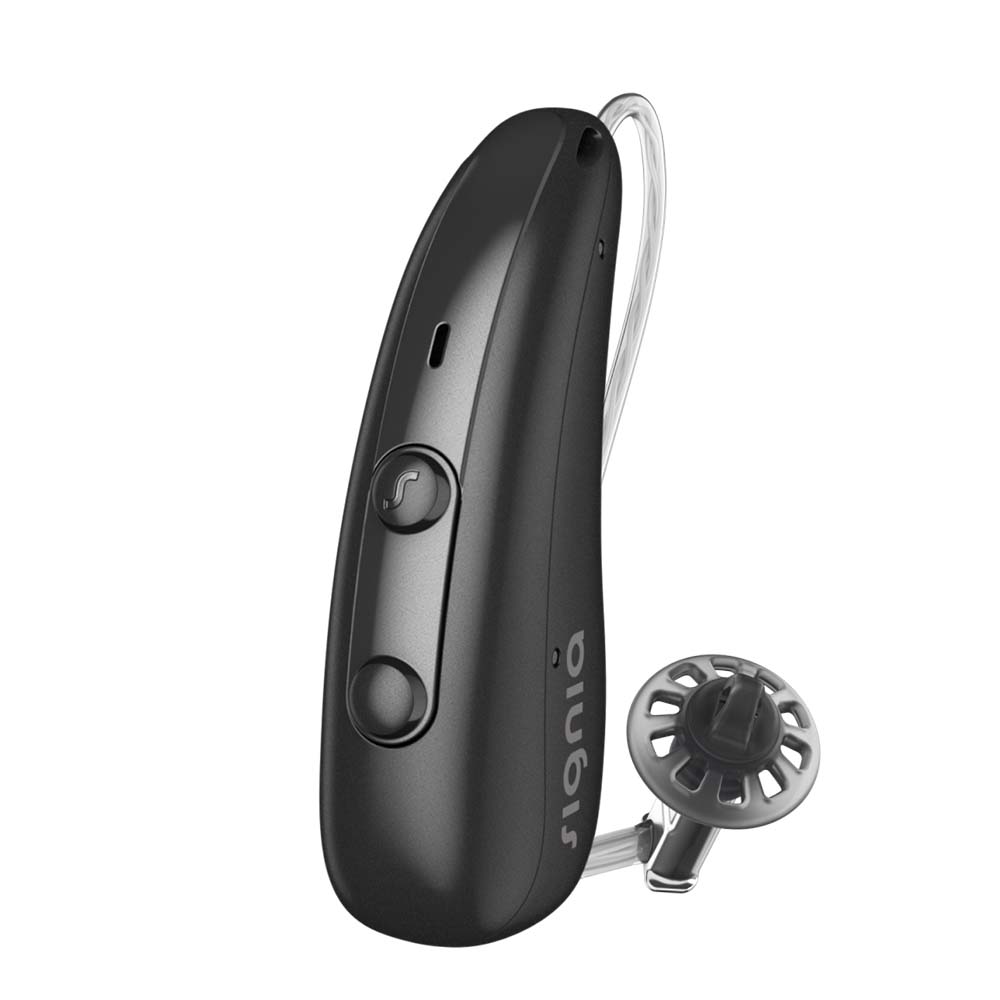
Ear Health Innovations: Explore Cutting-Edge Developments

Last Updated on 20/11/2025 by Admin

Delve into the Groundbreaking Innovations in Ear Health Technology

Uncover Cutting-Edge Advancements Revolutionising Ear Health Solutions

Recent advancements in ear health technology have ushered in an era of transformative change, significantly enhancing both diagnostic and treatment methodologies. These innovations extend far beyond mere hearing aids; they encompass a diverse array of technologies, including state-of-the-art diagnostic tools and novel therapeutic devices. Collectively, these advancements aim to elevate global ear health standards. With these innovations, healthcare providers can detect conditions such as hearing loss, tinnitus, and ear infections at earlier stages, thereby allowing for timely interventions that can prevent further complications. The integration of these advanced technologies into clinical practices is fundamentally reshaping the management and understanding of ear health, promoting a proactive rather than solely reactive approach to treatment.

The focus on innovative ear health technologies emphasises the vital role of personalised care tailored to individual patient needs. For example, contemporary digital hearing aids can be finely tuned to enhance specific frequencies based on a patient’s unique hearing profile, representing a significant leap forward from traditional models. This level of bespoke customization highlights a commitment to treating patients as unique individuals, rather than adhering to a one-size-fits-all methodology. As a result, these innovations not only enhance clinical outcomes but also resonate with patients’ emotional and social well-being, promoting a more comprehensive approach to healthcare.

Investigate the Key Technologies Propelling Ear Health Innovations

Revolutionary technologies such as sophisticated hearing aids and advanced cochlear implants have dramatically transformed ear health care, offering renewed hope to individuals facing challenges with hearing loss. For instance, modern hearing aids are designed with complex algorithms that enhance sound quality by effectively filtering out background noise, allowing users to concentrate on conversations even in noisy environments. The inclusion of Bluetooth technology enables users to connect their hearing aids directly to smartphones, televisions, and other electronic devices, facilitating seamless communication and an enriched media experience.

Cochlear implants, which provide direct electrical stimulation to the auditory nerve, have also undergone remarkable advancements. These devices are now more compact and efficient, delivering superior sound clarity while minimising surgical risks. Ongoing research is focused on developing new materials that enhance the biocompatibility and durability of these implants, ensuring their effectiveness over extended periods. As technological advancements progress, these innovations promise not only to restore hearing but also to enrich the overall auditory experience, enhancing social interactions and strengthening personal relationships among users.

Examine the Impact of Ear Health Innovations on Life Quality

Technological advancements in ear health have a direct correlation with improved communication and social interaction, significantly enhancing the quality of life for individuals experiencing hearing impairments. Enhanced hearing abilities foster greater participation in social activities, which is essential for mental health and emotional well-being. Individuals with improved hearing are more likely to engage in conversations, attend social gatherings, and participate in community events, cultivating a strong sense of belonging and support.

Moreover, these advancements have been shown to reduce feelings of isolation and depression, commonly associated with hearing loss. Patients using modern hearing aids or cochlear implants frequently report a newfound sense of independence and empowerment, allowing them to navigate daily life with confidence. Research also indicates that enhanced communication skills lead to better professional opportunities and performance. The practical applications of these technological advancements illustrate how addressing ear health can profoundly impact individuals’ lives, ultimately promoting wider societal wellness.

Acquire Expert Insights on the Latest Breakthroughs in Ear Health

What are Real-World Examples of Successful Applications in Ear Health?

Real-life case studies vividly demonstrate how recent breakthroughs in ear health have transformed lives, showcasing the tangible applications of these innovations. A notable example comes from a community health initiative in rural India, where mobile clinics equipped with advanced audiometric testing tools were introduced. This initiative empowered healthcare providers to detect hearing impairments in individuals who otherwise had no access to diagnostic services. By leveraging these technologies, many patients received timely interventions, including the fitting of hearing aids, significantly enhancing their capacity to communicate and engage with their communities.

Another compelling example involves a pilot programme in the United States that incorporated telehealth into ear health services. By utilising remote audiological assessments and virtual consultations, healthcare providers reached patients in underserved areas, drastically cutting down wait times for diagnosis and treatment. The success of this model has prompted broader adoption, illustrating how technology can bridge gaps in healthcare delivery and enhance access to indispensable ear health services worldwide.

What Actionable Steps Can Facilitate Integrating New Ear Health Technologies?

Successfully integrating new ear health technologies into clinical practices requires careful planning and training. Actionable steps can guide healthcare providers toward a smooth transition. First, conducting a comprehensive needs assessment is essential to identify gaps in current practices and determine which technologies will yield the most considerable benefits. Training clinical staff on effectively using these new tools is crucial, focusing on both technical skills and patient interaction techniques.

Moreover, establishing a phased implementation strategy can ease the transition process. Initiating pilot projects allows for the evaluation of new technologies in a controlled environment before a full rollout. Regular feedback from both staff and patients can facilitate necessary adjustments in usage, ensuring the technologies meet the needs of all parties involved. Lastly, ongoing support and education are indispensable as technology continues to evolve; providers must stay informed about upgrades and new features to maximize the benefits for their patients. These steps are vital for ensuring the integration of new ear health technologies is both effective and sustainable.

What Expert Analysis Predicts About Future Trends in Ear Health?

Experts in the field of ear health are forecasting future trends and developments, offering valuable insights into the industry’s direction and what patients can anticipate. One significant trend is the increasing incorporation of artificial intelligence (AI) in hearing aids and other auditory devices. Such advancements are likely to facilitate more personalised features, adapting to users’ environments and preferences in real time. The integration of AI could also enhance noise reduction capabilities, making conversations clearer across various settings.

Another expected development is the growing focus on preventive care within ear health. As awareness of the importance of early intervention increases, healthcare providers may increasingly prioritise educating patients about risk factors for hearing loss and the significance of regular screenings. This shift could pave the way for new diagnostic tools that enable even earlier detection of auditory issues, ultimately improving health outcomes.

Collaboration between technology firms and healthcare providers is also anticipated to expand, fostering innovations that merge technical expertise with clinical necessities. As the synergy between these sectors deepens, breakthroughs may emerge that are yet to be imagined, further enhancing patient care and outcomes in ear health.

What is the Impact of Recent Research on Treatment Protocols?

Recent research in ear health has prompted updates in treatment protocols, enhancing patient outcomes and guiding clinical practices. For instance, studies indicate that adopting a multidisciplinary approach to managing hearing loss—where audiologists, otolaryngologists, and speech therapists collaborate—results in more comprehensive care and improved outcomes for patients. This shift in treatment strategy underscores the importance of viewing ear health through a holistic lens, considering the interplay between hearing loss and overall health.

Research has also focused on the long-term consequences of untreated hearing loss, linking it to cognitive decline and various health complications. This information has prompted treatment protocols to prioritise early intervention and rehabilitation for hearing loss. Consequently, clinicians are encouraged to adopt more proactive practices, advocating for routine hearing screenings that identify issues before they escalate. These emerging protocols reflect a commitment not only to improving hearing but also to safeguarding patients’ overall well-being, aligning ear health practices with broader health outcomes.

How Does Interdisciplinary Collaboration Drive Innovation in Ear Health?

Interdisciplinary collaboration among audiologists, engineers, and researchers fuels innovation in ear health, leading to breakthroughs and improved patient care. This partnership is evident in the creation of advanced hearing aids that utilise cutting-edge technology, including machine learning algorithms that adapt to users’ environments. Engineers design these devices while audiologists provide critical insights into real-world usage, ensuring the final products effectively meet patient needs.

Furthermore, collaboration extends beyond product development. Research initiatives often unite professionals from diverse fields to explore the effects of hearing loss on mental health, social interaction, and overall quality of life. By integrating expertise from psychology, audiology, and social sciences, comprehensive strategies can be developed to tackle the multifaceted challenges posed by auditory disorders. These partnerships are crucial not only for creating innovative products but also for shaping policy and public health initiatives that prioritise ear health as a vital component of overall wellness.

How Do These Breakthroughs Enhance Diagnosis?

What Are the Latest New Diagnostic Tools for Ear Health?

New diagnostic tools in ear health include advanced audiometry and otoacoustic emissions testing, which offer more accurate and detailed assessments of hearing function. Advanced audiometry has progressed significantly, utilising computer-based systems that allow for precise frequency mapping and the ability to assess multiple criteria simultaneously. These systems facilitate comprehensive evaluations that provide detailed insights into a patient’s hearing capabilities, empowering audiologists to diagnose conditions with greater accuracy.

Otoacoustic emissions testing represents another exciting advancement in diagnostic technology. This non-invasive test measures sounds produced by the inner ear in response to auditory stimuli. It is particularly beneficial for newborn screenings and can detect hearing loss even at very early stages, allowing for timely intervention. These diagnostic advancements not only bolster the accuracy of hearing assessments but also streamline the process for both patients and healthcare providers.

How Do These Tools Enhance Diagnostic Accuracy?

These advanced diagnostic tools enhance accuracy by providing precise measurements and detailed data, which enable earlier and more effective interventions. Traditional methods of hearing assessment often relied on subjective responses from patients, resulting in variability and potential inaccuracies in diagnosis. In contrast, advanced audiometric systems deliver objective data that can be quantitatively analysed, minimising the potential for human error.

Additionally, the integration of software that standardises testing procedures ensures consistency across assessments, facilitating easier comparisons of results over time. For instance, the ability to monitor a patient’s hearing thresholds through a digital platform allows for ongoing tracking of hearing health and more precise adjustments to treatment plans. This level of detail not only improves diagnostic accuracy but also fosters a more personalised approach to patient care.

What Is the Impact of Enhanced Diagnostic Tools on Patient Outcomes?

The impact of improved diagnostic tools on patient outcomes is substantial, as earlier and more accurate diagnoses lead to enhanced treatment plans and overall health improvements. Patients diagnosed with hearing loss through advanced tools are more likely to receive timely interventions, which can prevent further deterioration of their auditory capabilities. For example, children diagnosed early with hearing impairments can begin speech therapy and utilise hearing devices sooner, supporting their language development and educational achievements.

Moreover, accurate diagnoses enable healthcare providers to tailor interventions to individual needs, enhancing the overall effectiveness of treatment. Personalised care plans lead to better adherence to treatment recommendations and increased patient satisfaction. Ultimately, the evolution of diagnostic tools in ear health not only optimises clinical outcomes but also significantly enhances the quality of life for patients, demonstrating that investment in technology translates directly into meaningful advancements in healthcare.

Innovations in Hearing Aid Technology

What Are the Latest Features in Hearing Aids?

The latest hearing aids offer advanced noise cancellation, Bluetooth connectivity, and rechargeable batteries, significantly enhancing user-friendliness and effectiveness. Noise cancellation technology has seen remarkable advancements, enabling users to filter out background sounds while focusing on conversations, particularly in crowded or noisy environments. This feature empowers users to actively participate in social scenarios without the anxiety of struggling to hear.

Bluetooth connectivity is another transformative aspect of hearing aid technology, facilitating direct streaming from smartphones and other devices. This feature not only elevates user experience but also allows for greater control over sound settings through dedicated apps. Users can tailor their listening preferences based on their environment, further personalising their hearing experience.

Rechargeable batteries represent a significant improvement in convenience. Modern hearing aids equipped with lithium-ion batteries can last an entire day on a single charge, eliminating the hassle of frequently changing batteries. This innovation has greatly enhanced user satisfaction, making hearing aids more accessible and appealing to a broader audience.

How Do These Features Benefit Users?

The new features in hearing aids significantly enhance user experience by improving sound quality, minimising background noise, and providing greater convenience. Enhanced sound quality ensures that users can enjoy clearer conversations and richer audio experiences when listening to music or watching television. By effectively reducing background noise, users can concentrate on what is essential, leading to more meaningful interactions and less frustration in social environments.

Additionally, the convenience of Bluetooth connectivity allows users to engage seamlessly with technology. Individuals can take phone calls directly through their hearing aids, listen to audio content from their devices, and even participate in virtual meetings without the need for additional equipment. This level of integration fosters a sense of independence and empowerment, encouraging users to engage fully in their daily lives.

Rechargeable batteries not only enhance convenience but also minimise environmental waste associated with disposable batteries. This sustainability aspect contributes to a growing awareness of eco-friendly practices within the healthcare sector, aligning the use of hearing aids with contemporary values of environmental responsibility.

What Future Developments Are Expected in Hearing Aid Technology?

Future developments in hearing aid technology may include even smaller devices, more advanced AI integration, and personalised sound profiles tailored to individual needs. The relentless pursuit of miniaturisation is expected to continue, resulting in hearing aids that are virtually invisible while maintaining high performance. This trend toward discreet devices aligns with consumer demand for aesthetics without compromising functionality.

AI integration is anticipated to redefine how hearing aids operate, enabling them to learn from users’ preferences and environments. Such advancements could yield devices that automatically adjust settings based on noise levels, user activities, and even emotional states, creating a more intuitive auditory experience. Personalised sound profiles that adapt in real-time will offer users unprecedented control over their hearing environment, making the technology feel even more customised to individual lifestyles.

Additionally, there is potential for hearing aids to incorporate health monitoring features, tracking vital signs or detecting conditions related to auditory health. This convergence of hearing technology and overall health monitoring presents exciting possibilities for comprehensive patient care, positioning hearing aids as multifunctional devices that contribute to improved health outcomes.

How Are These Innovations Impacting the Hearing Aid Market?

Innovations are driving growth in the hearing aid market by attracting new users, enhancing product offerings, and increasing competition among manufacturers, resulting in better and more affordable hearing solutions. As technology evolves, the variety of features available in hearing aids expands, appealing to a broader audience, including younger users who may have previously hesitated to seek assistance for hearing loss. This diversification has helped to destigmatise the use of hearing aids, motivating individuals to seek help sooner.

Competitive pressures among manufacturers have led to continuous enhancements in product quality and affordability. As companies strive to capture market share, they invest in research and development, resulting in cutting-edge technologies that are more accessible to consumers. Enhanced marketing strategies that showcase the benefits of modern hearing aids contribute to increased awareness and acceptance within society.

Furthermore, the rise of telehealth services for hearing assessments and fittings has opened new avenues for distributing hearing aids, allowing users to access solutions from the comfort of their homes. This shift not only broadens the reach of hearing aid technology but also aligns with modern consumer expectations for convenience and flexibility in healthcare access.

Research-Backed Benefits of the Latest Breakthroughs in Ear Health

What Are the Key Advantages for Patients from Recent Innovations?

The latest breakthroughs in ear health provide numerous advantages to patients, including enhanced hearing capabilities, improved communication, and an overall better quality of life. The impact of these innovations extends beyond the technical aspects of hearing and encompasses significant psychological and social dimensions. Some key benefits include:

  • Increased access to sound in various environments.
  • Improved ability to engage in conversations and social activities.
  • Enhanced emotional well-being and reduced feelings of isolation.
  • Greater independence and confidence in daily activities.
  • Better performance in professional settings.
  • Timely diagnosis and intervention that prevent further health complications.
  • Personalised treatment plans tailored to individual needs.
  • Access to ongoing support and educational resources.

These benefits underscore the importance of recent advancements in ear health, emphasising that improvements in technology directly correlate with enhanced patient experiences and outcomes.

How Do These Benefits Manifest in Daily Life for Patients?

The benefits of recent breakthroughs in ear health translate into daily life by enabling better social interactions, improved work performance, and greater independence. Individuals with enhanced hearing capabilities can engage more fully in conversations, forging deeper connections with family, friends, and colleagues. This improved communication fosters a sense of belonging and support, which is essential for mental health and overall well-being.

In professional environments, the ability to hear clearly can significantly influence job performance. Employees equipped with modern hearing aids are less likely to miss critical information during meetings or conference calls, resulting in more effective collaboration and productivity. The increased confidence from being able to communicate effectively opens doors to new opportunities for career advancement.

Additionally, the independence gained through improved hearing enables individuals to manage daily activities without relying on others for assistance. Whether navigating public transportation or engaging in recreational activities, the ability to hear clearly enhances autonomy and enriches life experiences. These real-world applications of advancements in ear health demonstrate their profound impact on everyday life.

What Evidence Supports the Benefits of Recent Innovations in Ear Health?

Numerous studies and clinical trials provide compelling evidence supporting the benefits of the latest ear health breakthroughs, demonstrating their effectiveness and impact. Research consistently indicates that individuals who utilise modern hearing aids experience substantial improvements in their overall quality of life. For instance, a study published in a leading audiology journal revealed that users of advanced hearing aids reported higher satisfaction levels regarding their social interactions compared to those who did not use hearing aids.

Furthermore, longitudinal studies indicate that early intervention through modern diagnostic tools leads to better long-term outcomes for individuals with hearing impairments. Patients who receive timely diagnoses and personalised treatment plans show marked improvements in their emotional health, social engagement, and cognitive function over time. These findings align with the growing body of evidence advocating for proactive approaches to ear health, reinforcing the importance of ongoing research and innovation in the field.

Effective Strategies for Implementing New Ear Health Technologies

What Are the Best Practices for Successful Technology Adoption?

Best practices for adopting new ear health technologies encompass comprehensive training, patient education, and ongoing support to ensure successful implementation. Comprehensive training programmes for healthcare providers are essential to familiarise them with new tools and techniques. This training should encompass both the technical aspects of using the equipment and effective communication strategies for engaging with patients.

Patient education plays an equally vital role in the adoption process. Educating patients about the benefits of new technologies empowers them to make informed decisions regarding their ear health. Providing detailed information on how to use devices, troubleshoot common issues, and understand the importance of regular check-ups can enhance patient engagement and adherence to treatment.

Ongoing support is critical as technology continues to evolve. Establishing feedback loops that enable healthcare providers to promptly address patient concerns can foster a culture of continuous improvement. Regular follow-up appointments can also facilitate monitoring patients’ progress and making necessary adjustments to their treatment plans, ensuring optimal outcomes.

How Can Healthcare Providers Prepare for Changes in Ear Health Technology?

Healthcare providers can prepare for changes in ear health technology by staying informed about the latest developments, investing in training, and collaborating with technology providers. Keeping up with new technologies through professional development courses and industry conferences equips healthcare providers with the knowledge they need to make informed decisions regarding technology adoption.

Investing in training for staff ensures that everyone possesses the skills necessary to implement new technologies effectively. Training should encompass not only technical proficiency but also empathetic patient communication, emphasising the importance of the patient-provider relationship in successful technology integration.

Collaborating with technology providers during the implementation phase can also streamline the transition process. Engaging with vendors for training and support can help address potential challenges early on, facilitating smoother integration of new tools into practice.

What Steps Are Essential for Successful Integration of New Technologies?

Steps for successful integration of new ear health technologies include assessing current needs, selecting appropriate technologies, and providing ongoing support and training. The following steps can pave the way for a seamless transition:

  • Conduct a thorough assessment of existing practices and identify gaps.
  • Research available technologies that align with identified needs.
  • Engage staff in discussions about potential technologies and gather input.
  • Develop a phased implementation plan, beginning with pilot programmes.
  • Provide comprehensive training for all staff involved in using the technology.
  • Educate patients on the new tools and their benefits.
  • Establish ongoing support channels for troubleshooting and feedback.
  • Monitor outcomes and make necessary adjustments to optimise effectiveness.

These steps are vital for ensuring that the integration process is both effective and sustainable, leading to improved patient care and outcomes.

What Key Challenges Might Arise During Implementation?

Key challenges in implementing new technologies include resistance to change, financial constraints, and ensuring compatibility with existing systems. Resistance to change is a common hurdle in any healthcare environment. Some staff may be reluctant to adopt new technologies due to fears of inadequacy or concerns about disrupting established workflows. Addressing this resistance through clear communication about the benefits of the new tools and involving staff in decision-making can help mitigate these concerns.

Financial constraints can pose significant challenges, particularly for smaller practices or clinics with limited budgets. Investing in new technology often requires considerable upfront costs, and securing funding or grants may be necessary. Exploring partnerships with technology providers or industry stakeholders can help alleviate some of these financial burdens.

Ensuring compatibility with existing systems is another critical challenge. New technologies must seamlessly integrate with current electronic health records and other operational systems to avoid disruptions in patient care. Conducting thorough assessments prior to implementation can help identify potential compatibility issues early, enabling healthcare providers to address them proactively.

How Can Patient Outcomes Be Measured and Improved?

Patient outcomes can be measured through regular assessments and improved by tailoring technology use to individual needs and continuous monitoring. Establishing success metrics is essential, including tracking improvements in communication abilities, patient satisfaction, and overall quality of life. Regular follow-up appointments can facilitate these assessments, allowing providers to evaluate the effectiveness of interventions and make necessary adjustments.

Personalising technology use by considering individual patient preferences and lifestyles can also enhance outcomes. For instance, customising hearing aid settings based on a patient’s daily activities ensures that technology is utilised optimally, maximising its benefits. Continuous monitoring and feedback collection allow healthcare providers to refine treatment plans, ensuring patients receive the most effective care possible.

Additionally, fostering open communication channels between patients and healthcare providers enables patients to voice any concerns or difficulties they may encounter with their technology. This feedback loop is essential for ongoing improvement and can lead to collaborative solutions that enhance the overall treatment experience.

Frequently Asked Questions About Ear Health Innovations

What Are the Latest Advancements in Ear Health Technology?

The latest advancements encompass sophisticated hearing aids with AI integration, advanced diagnostic tools like otoacoustic emissions testing, and cochlear implants with enhanced functionalities, all designed to improve patient care and outcomes.

How Do Hearing Aids Improve Quality of Life?

Hearing aids enhance quality of life by facilitating better communication, improving social interactions, and reducing feelings of isolation, which are crucial for mental health and emotional well-being.

What Role Does AI Play in Hearing Aids?

AI enhances hearing aids by allowing them to learn user preferences and automatically adjust settings based on the environment, delivering a more personalised and effective auditory experience.

Are There New Diagnostic Tools for Ear Health?

Yes, new diagnostic tools such as advanced audiometry and otoacoustic emissions testing provide more accurate assessments of hearing function, facilitating earlier interventions and better patient outcomes.

How Can Healthcare Providers Implement New Ear Health Technologies?

Healthcare providers can implement new technologies by conducting needs assessments, offering comprehensive staff training, and establishing ongoing support channels to ensure effective integration.

What Challenges Exist When Adopting New Ear Health Technologies?

Challenges include resistance to change among staff, financial constraints in acquiring new technologies, and ensuring compatibility with existing systems in healthcare practices.

What Benefits Do the Latest Ear Health Breakthroughs Provide?

The latest breakthroughs provide advantages such as improved hearing capabilities, enhanced social interactions, better emotional well-being, and greater independence for individuals with hearing impairments.

How Do Hearing Aids Connect to Other Devices?

Modern hearing aids often feature Bluetooth connectivity, allowing users to connect directly to smartphones, televisions, and other devices for seamless audio streaming.

What Is the Impact of Research on Ear Health Treatment Protocols?

Research has led to updated treatment protocols that emphasise early intervention and a multidisciplinary approach, resulting in significantly improved patient outcomes.

How Can Patient Outcomes Be Measured in Ear Health?

Patient outcomes can be measured through regular assessments of communication abilities, patient satisfaction, and overall quality of life, enabling continuous improvement in treatment plans.

Explore our world on X!

The post Ear Health Innovations: Discover the Latest Breakthroughs appeared first on The Microsuction Ear Wax Removal Network.
The post Ear Health Innovations: Discover the Latest Breakthroughs appeared first on Healthcare Marketing Service.

Hearing Loss Support: Essential Gadgets You Should Know

Last Updated on 19/11/2025 by Admin

Your Comprehensive Resource for Hearing Loss Gadgets

What Are Hearing Loss Gadgets and Their Purpose?

Hearing loss gadgets encompass a variety of innovative devices specifically engineered to improve the auditory experience for individuals facing hearing impairments. These advanced tools range from basic assistive devices to sophisticated electronic systems, all meticulously designed to enhance communication and interaction across diverse environments. Below, we present an extensive list of commonly utilised hearing loss gadgets available globally:

Acquiring an in-depth understanding of the various types of hearing loss gadgets is crucial for individuals seeking to enhance their auditory capabilities. Each of these devices serves a specific function tailored to different levels and types of hearing loss. Consequently, selecting the most appropriate gadget based on personal requirements and circumstances is vital for achieving optimal results.

How Do Hearing Loss Gadgets Function to Assist Users?

Hearing loss gadgets operate on fundamental principles that centre around amplifying sound and improving clarity for the user. For example, devices such as hearing aids employ built-in microphones to capture sound from the surrounding environment. This sound is subsequently processed and amplified according to the user’s unique hearing profile, enabling them to hear sounds they may otherwise miss. This includes conversations in bustling environments or the subtle sounds found in nature, enhancing their overall auditory experience.

Cochlear implants adopt a more direct approach by surgically bypassing damaged regions of the inner ear. These devices convert sound signals into electrical impulses, which directly stimulate the auditory nerve, allowing the brain to interpret these signals as sound. Other devices, including assistive listening systems, enhance sound from specific sources while simultaneously minimising background noise. This capability is essential for effective communication and social interactions, empowering individuals to engage more fully within their environments.

Why Is It Important to Consider Hearing Loss Gadgets?

The benefits of incorporating hearing loss gadgets into daily life are profound, significantly enhancing the quality of life for users. Improved communication stands out as one of the most notable advantages. By amplifying sounds, these devices facilitate more effective connections with others, resulting in richer and more meaningful interactions. Enhanced communication not only fosters better relationships but also boosts confidence in social settings, allowing individuals to express themselves more freely.

In terms of safety, hearing loss gadgets are indispensable. They enable users to detect critical sounds such as alarms, sirens, and warnings, thereby reducing the risk of accidents and enhancing overall safety in daily life. Furthermore, these gadgets promote social inclusion, providing individuals with the opportunity to partake in community activities, engage in conversations, and attend events without the hindrance of hearing impairment. This inclusion is vital for emotional health and mental well-being, helping to alleviate the feelings of isolation that often accompany hearing loss.

Exploring the Range of Hearing Loss Gadgets Available

Understanding Various Hearing Aid Styles and Their Benefits

Hearing aids represent one of the most recognised types of hearing loss gadgets on the market. These compact electronic devices are designed for placement in or behind the ear, amplifying sound to assist users in hearing more effectively. They come in a variety of styles tailored to meet individual preferences and requirements. Common styles of hearing aids include:

Each style offers unique advantages and may be more suitable based on the user’s severity of hearing loss, lifestyle, and aesthetic considerations. For instance, BTE aids are renowned for their power and versatility, making them ideal for individuals with severe to profound hearing loss, whereas the more discreet options like CIC and ITC are preferred for their cosmetic appeal. Understanding these differences is crucial for making an informed choice.

Examining Cochlear Implants as an Innovative Solution for Severe Hearing Loss

Cochlear implants offer a groundbreaking solution for those suffering from severe to profound sensorineural hearing loss. Unlike hearing aids, which merely amplify sound, cochlear implants directly stimulate the auditory nerve through a surgical procedure. This advanced device includes an external processor that captures sound and converts it into digital signals, which are then transmitted to an internal implant surgically placed beneath the skin.

The efficacy of cochlear implants is validated by numerous real-world applications. Many users report substantial improvements in their ability to perceive speech, even amid noisy environments. This transformative technology is particularly beneficial for children born with hearing loss, as it enables them to develop language skills comparable to their hearing peers. Additionally, continuous advancements in cochlear implant technology enhance sound quality and overall user satisfaction, making them an essential option for individuals worldwide.

Maximising Auditory Clarity through Assistive Listening Devices

Assistive listening devices (ALDs) are crucial for providing support in specific auditory environments. Unlike hearing aids, which are designed for general use, ALDs are tailored to enhance hearing in particular situations, such as while watching television or participating in lectures. These devices vary widely, from amplified telephones that clarify conversations to specialised systems that connect directly to televisions or other audio sources.

For example, TV listening systems can transmit sound directly to hearing aids or personal speakers, allowing users to enjoy their favourite shows without disturbing others. Similarly, infrared or FM systems are frequently utilised in theatres, classrooms, and places of worship, ensuring that individuals with hearing loss can fully engage without missing critical auditory information. The flexibility of ALDs makes them invaluable, particularly in social and professional settings where clarity is imperative for effective communication.

Expert Perspectives on Selecting the Best Hearing Loss Gadgets

What Insights Do Experts Offer on Hearing Loss Gadgets?

Professionals in audiology and hearing health provide a wealth of insights regarding the various hearing loss gadgets tailored to individual requirements. Their expertise emphasises the necessity of customising these devices based on the specific type and severity of hearing loss. For instance, a recent survey of audiologists indicated that nearly 80% endorse the use of digital hearing aids due to their superior sound processing capabilities. Numerous users have reported successful outcomes, including improved communication in noisy environments and an enhanced quality of life.

A compelling illustration comes from a community programme in Australia that distributed hearing aids to seniors. Feedback revealed that participants experienced less frustration in conversations and felt more connected to their family and friends. Such testimonials underscore the tangible impact these devices can have on daily living. Experts also stress the importance of thorough audiological assessments to identify the most suitable device for each individual, reinforcing the need for professional guidance when selecting the right gadget.

How Can Users Choose the Most Suitable Hearing Loss Gadget?

Selecting the appropriate hearing loss gadget is critical for maximising its effectiveness and ensuring the best possible user experience. Users should start by considering their specific hearing needs, which can be identified through a comprehensive audiological evaluation. This assessment helps determine the severity and type of hearing loss, guiding users toward the most appropriate devices.

Lifestyle factors also play a significant role in this decision-making process. For instance, active individuals might prefer devices that are durable and water-resistant, while those who frequently engage in social activities may benefit from gadgets designed for ease of use in crowded environments. Budget considerations are equally important. While some devices can be costly, exploring various options, including financing plans, insurance coverage, and potential subsidies, can help ensure users find a gadget that meets their financial needs without compromising quality.

What Are the Latest Innovations in Hearing Loss Gadgets?

The field of hearing loss gadgets is constantly evolving, with recent innovations significantly improving user experiences. Developments such as enhanced sound processing algorithms allow devices to better differentiate between speech and background noise, thereby clarifying conversations and making them more enjoyable. Additionally, many modern hearing aids and cochlear implants now feature Bluetooth technology, facilitating seamless connectivity with smartphones and other devices.

Further innovations include the creation of wearables that integrate hearing technology, such as smart glasses equipped with built-in audio amplifiers. Users can anticipate even more discreet designs that prioritise comfort without sacrificing performance. Moreover, ongoing research into artificial intelligence is paving the way for personalised sound experiences, where devices can automatically adjust settings based on the surrounding environment, further enhancing usability and satisfaction.

Effective Strategies for Using Hearing Loss Gadgets

What Best Practices Should Users Implement for Optimal Use of Hearing Loss Gadgets?

To maximise the effectiveness of hearing loss gadgets, users should adopt several best practices. Regular maintenance is crucial, which includes cleaning devices to prevent the accumulation of earwax or moisture that can impair performance. Additionally, ensuring a proper fit is essential; users should consult with professionals to guarantee comfortable and secure device fitting, minimising feedback while maximising sound quality.

Understanding how to adjust settings for different environments is another critical practice. Many modern hearing aids and assistive listening devices offer multiple listening programmes tailored for varying situations. Users should familiarise themselves with these settings to enhance their auditory experience in different contexts, such as quiet areas versus noisy environments. Lastly, scheduling regular check-ups with audiologists ensures that devices remain optimised for the user’s evolving hearing needs. By adhering to these practices, users can significantly enhance their experiences with hearing loss gadgets.

  • Regularly clean your devices
  • Ensure a proper fit with professional assistance
  • Familiarise yourself with adjustable settings
  • Keep devices dry and protected from moisture
  • Schedule periodic check-ups with your audiologist
  • Replace batteries as needed to ensure consistent performance
  • Stay informed about updates and new features
  • Engage in user communities for shared experiences

How Can Users Maintain and Care for Their Hearing Loss Gadgets?

Proper maintenance and care for hearing loss gadgets are essential for ensuring their longevity and optimal functionality. Regular cleaning is one of the most critical aspects of maintenance. Users should adhere to manufacturer guidelines for cleaning their devices to prevent dirt and debris from causing damage or impairing sound quality. Routine checks for battery functionality are also vital; many devices rely on disposable batteries, which should be replaced promptly to avoid unexpected outages.

Professionals recommend scheduling routine check-ups with audiologists every six to twelve months. During these visits, audiologists can conduct thorough evaluations, recalibrate devices according to the user’s current hearing abilities, and provide guidance on any emerging technologies. Additionally, users should remain aware of environmental factors that can affect device performance, such as exposure to extreme temperatures or humidity. By taking these steps, users can ensure that their hearing loss gadgets deliver reliable service and continue to enhance their auditory experience.

What Common Challenges Do Users Encounter with Hearing Loss Gadgets?

Common challenges associated with hearing loss gadgets can often be resolved through straightforward troubleshooting techniques. A prevalent issue that users encounter is feedback, which can result in irritating whistling sounds. This problem typically stems from improper fitting or earwax buildup. Users should consult their audiologist to address any fitting or cleaning concerns effectively.

Connectivity issues frequently arise, particularly with Bluetooth-enabled devices. Users should ensure their devices are sufficiently charged and verify that Bluetooth settings are correctly configured. If device performance seems diminished, battery life may be the issue; replacing batteries or charging rechargeable devices can alleviate these concerns. Furthermore, users should familiarise themselves with the manufacturer’s support resources or user manuals, which can offer valuable guidance on common troubleshooting steps and enhance their overall experience with hearing loss gadgets.

Understanding the Significance of Hearing Loss Gadgets

How Do Hearing Loss Gadgets Enhance Communication for Users?

Utilising hearing loss gadgets significantly improves communication by enhancing users’ abilities to hear and comprehend speech more effectively. For those with hearing impairments, everyday conversations can often feel exhausting and frustrating. Hearing loss gadgets, such as hearing aids and cochlear implants, amplify sound and clarify speech, leading to more productive interactions with others. This enhancement allows users to engage more fully in discussions, whether in intimate settings with family or vibrant gatherings with friends.

Moreover, the ability to partake in conversations without straining to hear fosters a more relaxed atmosphere. Users frequently report increased confidence and reduced anxiety when communicating in both personal and professional contexts. As these devices enable clearer auditory experiences, they facilitate a better understanding of nuances in conversation, which is essential for building relationships and social connections. The ripple effect of improved communication also extends to enhancing emotional well-being, as users feel more integrated into their social circles.

How Do Hearing Loss Gadgets Contribute to Enhanced Safety?

Hearing loss gadgets play a crucial role in personal safety by improving users’ abilities to detect important sounds in their surroundings. Alarms, traffic signals, and other critical auditory cues become more discernible with the assistance of devices like hearing aids and alerting systems. This heightened awareness is especially vital when navigating busy urban environments where safety hazards abound.

For instance, users equipped with alerting devices can receive notifications through visual or tactile signals for doorbells or smoke alarms, ensuring they are alerted to potential dangers. This feature provides peace of mind not only for the user but also for their loved ones, knowing they can respond promptly to emergencies. In summary, hearing loss gadgets enhance communication and play a pivotal role in safeguarding users’ well-being, empowering them to live more independently and confidently.

What Role Do Hearing Loss Gadgets Play in Promoting Social Inclusion?

The accessibility provided by hearing loss gadgets fosters increased social inclusion for individuals with hearing impairments. Engaging in social activities can often be daunting for those with hearing loss due to communication barriers. However, these gadgets help dismantle those barriers, enabling users to participate more actively in conversations and group dynamics.

With improved auditory capabilities, users can comfortably join discussions during family gatherings, attend community events, or partake in group activities without feeling isolated. This inclusion is critical for emotional and mental health, as the ability to connect with others reduces feelings of loneliness and depression that frequently accompany hearing loss. Furthermore, as users become more involved in social interactions, they often experience a boost in self-esteem and overall well-being, underscoring the importance of hearing loss gadgets in promoting a socially connected lifestyle.

Evidence-Based Benefits of Optimal Hearing Loss Gadgets

What Does Current Research Reveal About Hearing Loss Gadgets?

Research indicates that the use of hearing loss gadgets can lead to substantial improvements in cognitive function, quality of life, and overall health outcomes. Numerous studies have linked untreated hearing loss with cognitive decline, including an increased risk of dementia. However, research demonstrates that using hearing aids can mitigate these risks by facilitating better auditory engagement and cognitive activity.

One significant finding suggests that individuals who consistently use hearing aids report higher overall life satisfaction and increased social engagement. This correlation reinforces the crucial role of hearing loss gadgets in enhancing mental acuity and preventing cognitive decline. Moreover, the increased access to information and conversations allows users to remain active participants in their communities, further improving their mental state. The collective benefits of utilising hearing loss gadgets extend beyond auditory enhancement, positively influencing users’ cognitive health.

How Do Hearing Loss Gadgets Influence Mental Health?

Hearing loss gadgets can profoundly affect mental health by alleviating the stress and anxiety that often accompany communication difficulties. Individuals with hearing impairments frequently grapple with feelings of isolation, which can lead to heightened rates of depression and anxiety. By improving auditory capabilities, hearing loss gadgets empower users to engage more fully in conversations, fostering a sense of belonging.

As users gain confidence in their communication abilities, they often experience reduced feelings of frustration and isolation. This enhancement can result in a more optimistic outlook on life and a heightened willingness to participate in social activities. Furthermore, improved social interactions lead to stronger relationships and support networks, which are vital for emotional well-being. Thus, the mental health benefits of hearing loss gadgets are significant and should not be overlooked, as they play a crucial role in fostering a more fulfilling and connected life for individuals with hearing impairments.

What Long-Term Benefits Can Users Expect from Using Hearing Loss Gadgets?

Long-term use of hearing loss gadgets can yield numerous advantages that extend well beyond immediate auditory assistance. One significant benefit is the preservation of residual hearing. Regular use of hearing aids can stimulate the auditory pathways, helping maintain their function and potentially slowing further hearing deterioration.

Additionally, users who consistently engage with auditory stimuli are likely to experience improved speech understanding over time. This enhancement contributes to greater confidence in social settings and better communication skills. Furthermore, long-term users often report increased autonomy and independence, as they can navigate their environments more effectively and participate in conversations with ease. The cumulative impact of these long-term benefits demonstrates the vital role of hearing loss gadgets in promoting a healthier, more engaged lifestyle.

How Do Hearing Loss Gadgets Enrich Everyday Experiences?

Hearing loss gadgets significantly enhance daily life by improving communication, increasing safety awareness, and facilitating participation in various activities. The ability to hear clearly during everyday interactions, such as conversations with family or work discussions, is essential for maintaining relationships and professional performance. Enhanced auditory capabilities transform routine experiences into more enjoyable and fulfilling interactions.

Moreover, these gadgets provide users with the confidence to engage in diverse activities. Whether attending social gatherings, enjoying concerts, or participating in sports, reliable hearing support allows users to immerse themselves fully in their experiences. The heightened awareness of sounds in their environment also improves safety, as users are better equipped to respond to alarms or other critical auditory signals. Ultimately, integrating hearing loss gadgets into daily life empowers users to navigate their world more confidently and independently.

What Impact Do Hearing Loss Gadgets Have in Professional Environments?

In professional settings, hearing loss gadgets significantly enhance productivity and communication effectiveness. The ability to hear colleagues and participate in discussions without barriers is vital for collaboration and teamwork. Hearing aids and assistive listening devices enable users to fully engage in meetings, fostering a more inclusive workplace culture.

Furthermore, employees equipped with hearing loss gadgets tend to demonstrate better job performance, as they can swiftly and accurately respond to auditory information. This efficiency is particularly crucial in dynamic work environments, such as open offices or collaborative spaces, where clear communication is essential for success. Additionally, accessible hearing technology supports career advancement by ensuring that users can effectively engage with their peers and superiors. The positive impact of hearing loss gadgets in professional settings thus extends to enhancing workplace dynamics and fostering professional growth.

Accessing and Funding Hearing Loss Gadgets

Where Can You Obtain Hearing Loss Gadgets?

Hearing loss gadgets can be sourced from a variety of reputable outlets, facilitating easier access to the necessary technology. Audiology clinics are often the best initial point of contact, as they provide comprehensive evaluations and personalised recommendations based on individual hearing needs. Many clinics also offer a range of devices for trial, allowing users to discover the right fit.

Medical supply stores represent another excellent option, typically stocking a selection of hearing aids and assistive listening devices. Additionally, online retailers have gained popularity, offering a wide variety of gadgets at competitive prices. For those interested in purchasing gadgets, here is a list of reputable sources:

  • Local audiology clinics
  • Certified hearing aid dispensers
  • Medical supply stores
  • Online retailers (e.g., Amazon, HearingDirect)
  • Manufacturer websites (e.g., Phonak, Oticon)
  • Discount retailers (e.g., Costco, Sam’s Club)
  • Charitable organisations (e.g., HearAid)
  • Refurbished equipment from reputable sellers

Each of these sources can provide valuable guidance and options for individuals seeking hearing loss gadgets, ensuring they find a suitable solution tailored to their needs.

What Financial Aspects Should You Consider for Hearing Loss Gadgets?

The costs associated with hearing loss gadgets can vary significantly based on the type and features of the device. Hearing aids, for instance, typically range from $1,000 to over $4,000 per device, depending on the level of technology and customisation. Premium models often offer advanced features such as Bluetooth connectivity, noise reduction, and custom sound profiles, which can increase their overall price.

Cochlear implants, on the other hand, can be considerably more expensive due to the surgical procedure involved, often exceeding $30,000. Assistive listening devices tend to be more budget-friendly, with prices ranging from $50 to $300. It is essential for users to explore various options to find devices that fit their budget while still meeting their hearing needs. Many manufacturers and retailers offer financing options or payment plans, making it easier to access the necessary technology without a substantial upfront cost.

What Financial Assistance Options Are Available for Hearing Loss Gadgets?

Financial assistance for hearing loss gadgets is available through various channels, making it more feasible for individuals to obtain the necessary technology. Many insurance plans provide partial or full coverage for hearing aids and other related devices, so verifying coverage with insurance providers is a critical first step. Understanding the specifics of coverage can help users navigate potential out-of-pocket expenses.

Government programmes also offer support for individuals with hearing loss. In some regions, programmes specifically designed for seniors or low-income individuals provide financial assistance to purchase hearing aids and related technologies. Additionally, certain charitable organisations and foundations focus on assisting individuals with hearing impairments, offering grants or subsidies for hearing aids and other essential devices.

Lastly, it is beneficial to inquire about financing options offered by audiology clinics and retailers. Many establishments provide payment plans that can help distribute costs over time, ensuring that users can acquire the technology they need without financial strain. By exploring these various resources, individuals can find practical solutions for affording hearing loss gadgets.

How Can Users Evaluate the Quality of Hearing Loss Gadgets?

Assessing the quality of hearing loss gadgets is essential for ensuring effectiveness and reliability. Users should consider several factors when evaluating potential devices. First, user reviews and testimonials can provide valuable insights into real-world experiences with specific gadgets, helping to identify strengths and weaknesses.

Moreover, examining the warranty and return policy is crucial. A robust warranty reflects the manufacturer’s confidence in their product and offers users peace of mind regarding repairs or replacements. Additionally, understanding the technological specifications is vital; users should be aware of features such as sound processing capabilities, battery life, and compatibility with other devices.

Finally, seeking recommendations from audiologists can provide expert insights into the most effective gadgets available. By considering these factors, users can better navigate their options and select high-quality hearing loss gadgets that effectively meet their needs.

Future Directions in Hearing Loss Gadgets

What Exciting Innovations Are on the Horizon for Hearing Loss Gadgets?

Innovations in hearing loss gadgets are advancing rapidly, promising to dramatically enhance user experiences. One exciting trend is the integration of artificial intelligence (AI) into hearing devices. AI can personalise the audio experience by automatically adjusting sound settings based on environmental factors, allowing for seamless transitions between different auditory contexts. This capability is expected to greatly improve user satisfaction and comfort.

Additionally, advancements in connectivity are making hearing aids smarter. Future models are likely to incorporate 5G technology, enabling faster data transfer and improved functionality when syncing with smartphones and other devices. This evolution will allow users to access applications that provide additional control over their devices, including health monitoring features and personalised sound profiles.

Moreover, the development of more discreet hearing aids, such as those resembling ordinary earbuds, is on the rise. These innovations prioritise aesthetics without compromising technology, catering to users who prefer low-profile solutions. The future of hearing loss gadgets looks promising, with technology set to enhance hearing support in ways previously unimaginable.

How Will Technology Continue to Evolve in Hearing Loss Gadgets?

The evolution of technology in hearing loss gadgets is likely to focus on enhancing user experiences through adaptability and personalisation. Future devices will probably leverage machine learning algorithms to continuously learn from user preferences and adjust sound processing accordingly. This evolution can lead to a more intuitive user experience, where devices automatically adapt to different listening environments.

Advancements in battery technology will also play a significant role, with expectations of longer-lasting batteries and faster charging capabilities. Users will benefit from not only increased convenience but also improved reliability in their devices. Furthermore, as telehealth services expand, remote adjustments and consultations will become more prevalent, allowing users to receive professional support without the need for in-person visits.

Overall, technology in hearing loss gadgets will continue to evolve towards greater integration, efficiency, and user-friendliness, ultimately improving the quality of life for individuals with hearing loss.

What Role Will Wearable Technology Play in the Future of Hearing Loss Gadgets?

Wearable technology is poised to play an increasingly significant role in the future of hearing loss gadgets. Innovations such as smart glasses and augmented reality (AR) devices are being explored to integrate auditory support with visual enhancements. For example, AR glasses may offer real-time captioning for conversations, simplifying the process for individuals with hearing loss to follow discussions while engaging with their surroundings.

Additionally, advancements in earpiece technology are likely to lead to more integrated solutions that combine hearing support with other functionalities, such as fitness tracking or health monitoring. Users could wear devices that not only amplify sound but also provide vital health data, creating a holistic approach to personal well-being.

This convergence of hearing technology with wearable devices will empower users with more comprehensive solutions that address their multifaceted needs. As technology continues to advance, it will pave the way for innovative solutions that enhance both hearing support and overall lifestyle.

Frequently Asked Questions Regarding Hearing Loss Gadgets

What are hearing loss gadgets and their functions?

Hearing loss gadgets are specialised devices designed to assist individuals with hearing impairments, enhancing communication and interaction with their environment.

How do hearing aids operate to assist users?

Hearing aids amplify sound and modulate it based on the user’s unique hearing profile, helping them better perceive auditory information.

What are cochlear implants and their purpose?

Cochlear implants are surgically implanted devices that bypass damaged parts of the ear, stimulating the auditory nerve to provide a sense of sound.

What constitutes assistive listening devices?

Assistive listening devices enhance hearing in specific situations, such as amplified phones and TV listening systems.

How can I select the right hearing loss gadget for my needs?

Consider factors such as your specific hearing needs, lifestyle, and budget when selecting the most suitable hearing loss gadget.

What are the latest advancements in hearing loss gadgets?

Recent advancements include improved sound quality, enhanced connectivity with smartphones, and more discreet designs.

How do I maintain my hearing loss gadgets for optimal performance?

Regular cleaning, battery replacement, and professional check-ups are vital for maintaining the performance of hearing loss gadgets.

What are the costs associated with acquiring hearing loss gadgets?

Costs can vary widely, with hearing aids ranging from $1,000 to over $4,000, while cochlear implants can exceed $30,000.

How can I obtain financial assistance for hearing loss gadgets?

Financial assistance may be available through insurance, government programmes, or charitable organisations supporting individuals with hearing loss.

What role do hearing loss gadgets play in professional settings?

Hearing loss gadgets enhance communication and productivity in professional environments, facilitating better collaboration and teamwork.

Explore our journey on X!

The post Hearing Loss Support: Top Gadgets You Need to Know appeared first on The Microsuction Ear Wax Removal Network.
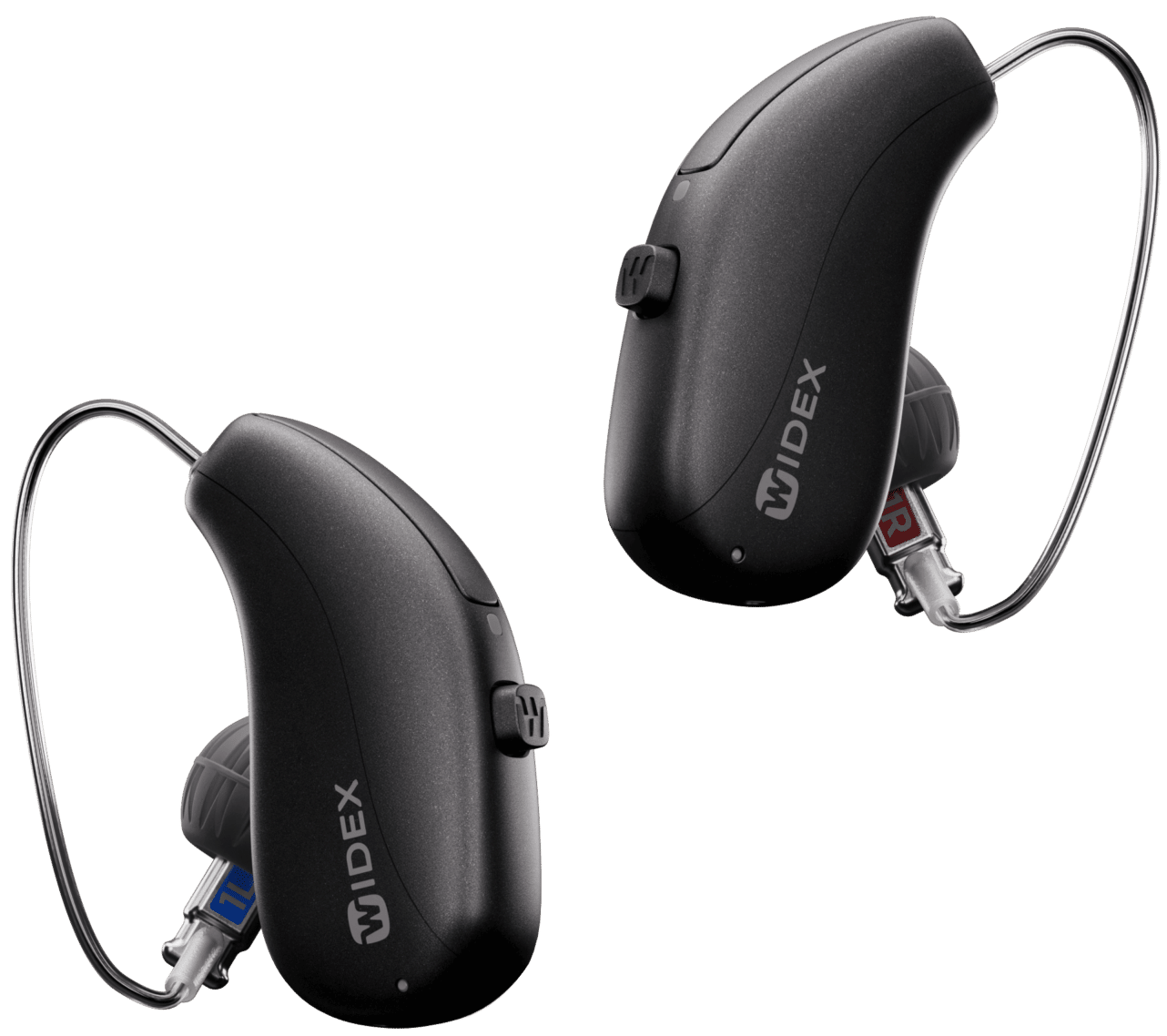
Hearing Loss Support: Essential Gadgets You Should Discover

Last Updated on 19/11/2025 by Admin

Comprehensive Overview of Essential Hearing Loss Gadgets

What Are the Key Features of Hearing Loss Gadgets?

Hearing loss gadgets are remarkable innovations specifically tailored to augment the auditory experience for those facing hearing challenges. These advanced tools vary from basic assistive devices to sophisticated electronic systems, all designed to enhance communication and interaction across different environments. Below is a detailed compilation of widely utilised hearing loss gadgets found worldwide:

Understanding the various types of hearing loss gadgets is essential for anyone seeking to enhance their auditory capabilities. Each device serves a specific function, catering to different levels and types of hearing loss. Consequently, selecting the right gadget based on personal needs and circumstances is crucial for achieving optimal outcomes.

How Do Hearing Loss Gadgets Operate and Enhance Sound?

Hearing loss gadgets function based on core principles that emphasise sound amplification and clarity for the user. For example, devices like hearing aids feature built-in microphones that capture sound from the surrounding area. This sound is then processed and amplified according to the user’s unique hearing profile, enabling them to hear sounds they may otherwise miss, such as conversations in busy places or subtle sounds in nature.

Cochlear implants take a more direct route by surgically bypassing damaged areas of the inner ear. They transform sound signals into electrical impulses that stimulate the auditory nerve directly, allowing the brain to interpret these signals as sound. Other devices, such as assistive listening systems, enhance sound from specific sources while minimising background noise. This capability is vital for effective communication and social interactions, empowering individuals to engage more fully in their environments.

Why Is It Beneficial to Use Hearing Loss Gadgets?

The benefits of using hearing loss gadgets are extensive, significantly enhancing the quality of life for users. Improved communication ranks among the most notable advantages. By amplifying sounds, these devices enable users to connect more effectively with others, resulting in richer and more meaningful interactions. Enhanced communication nurtures better relationships and bolsters confidence in social situations.

In terms of safety, hearing loss gadgets are invaluable. They allow users to detect critical sounds such as alarms, sirens, and warnings, thereby reducing the risk of accidents and enhancing overall safety in daily activities. Moreover, these gadgets foster social inclusion, enabling individuals to participate in community activities, engage in conversations, and attend events without the hindrance of hearing loss. This inclusion is vital for emotional health and mental well-being, helping to alleviate the feelings of isolation that often accompany hearing impairments.

Exploring the Wide Range of Hearing Loss Gadgets

What Varieties of Hearing Aids Are Available?

Hearing aids are perhaps the most recognised type of hearing loss gadgets on the market. These compact electronic devices are designed to be placed in or behind the ear, amplifying sound to assist users in hearing more effectively. They come in various styles tailored to accommodate individual preferences and needs. Common styles of hearing aids include:

  • BTE (Behind-the-Ear)
  • ITE (In-the-Ear)
  • ITC (In-the-Canal)
  • CIC (Completely-in-Canal)
  • RITE (Receiver-in-the-Ear)
  • Open Fit
  • Bone Conduction Aids
  • Rechargeable Models

Each style offers unique benefits and may be more appropriate depending on the user’s hearing loss severity, lifestyle, and aesthetic preferences. For instance, BTE aids are known for their power and versatility, making them ideal for individuals with severe to profound hearing loss, while more discreet options like CIC and ITC are preferred for their cosmetic appeal.

Delving into Cochlear Implants as a Cutting-Edge Solution

Cochlear implants present a groundbreaking solution for those suffering from severe to profound sensorineural hearing loss. In contrast to hearing aids, which merely amplify sound, cochlear implants directly stimulate the auditory nerve through a surgical procedure. This device comprises an external processor that captures sound and converts it into digital signals, subsequently transmitted to an internal implant placed surgically beneath the skin.

The effectiveness of cochlear implants is backed by numerous real-world applications. Many users report marked improvements in their ability to comprehend speech, even in noisy environments. This technology is particularly transformative for children born with hearing loss, as it enables them to develop language skills that match those of their hearing peers. Furthermore, ongoing advancements in cochlear implant technology continuously enhance sound quality and user satisfaction, making them a crucial option for individuals worldwide.

How Can Assistive Listening Devices Improve Auditory Clarity?

Assistive listening devices (ALDs) offer vital support in specific auditory environments. Unlike hearing aids, which are intended for general use, ALDs are designed to enhance hearing in particular situations, such as watching television or participating in lectures. These devices can vary widely, from amplified telephones that clarify conversations to specialised systems connecting directly to televisions or other audio sources.

For instance, TV listening systems can transmit sound directly to hearing aids or personal speakers, enabling users to enjoy their favourite shows without disturbing others. Similarly, infrared or FM systems are often employed in theatres, classrooms, and places of worship, ensuring that individuals with hearing loss can fully engage without missing essential auditory information. The versatility of ALDs makes them invaluable, particularly in social and professional settings where clarity is essential for effective communication.

Expert Insights on Selecting the Best Hearing Loss Gadgets

What Do Professionals Recommend About Hearing Loss Gadgets?

Experts in audiology and hearing health provide a wealth of knowledge regarding the various hearing loss gadgets tailored to individual requirements. Their insights highlight the importance of customising these devices based on the specific type and severity of hearing loss. For instance, a recent survey of audiologists revealed that nearly 80% recommend the use of digital hearing aids due to their superior sound processing capabilities. Many users have reported successful outcomes, including improved communication in noisy environments and an enhanced quality of life.

A compelling example comes from a community programme in Australia that distributed hearing aids to seniors. Feedback indicated that participants experienced less frustration in conversations and felt more connected to their family and friends. Such testimonials illustrate the tangible impact these devices can have on everyday living. Experts also emphasise the necessity of thorough audiological assessments to identify the most appropriate device for each individual, reinforcing the need for professional guidance when selecting the right gadget.

How Can Users Choose the Most Suitable Gadget for Their Needs?

Selecting the right hearing loss gadget is crucial for maximising its effectiveness. Users should start by considering their specific hearing needs, which can be determined through a comprehensive audiological evaluation. This assessment helps identify the severity and type of hearing loss, guiding users toward the most appropriate devices.

Lifestyle factors also significantly influence this choice. For instance, active individuals may favour devices that are durable and water-resistant, while those who frequently engage in social activities might benefit from gadgets designed for ease of use in crowded settings. Budget considerations are equally important. While some devices can be expensive, exploring various options, including financing plans, insurance coverage, and potential subsidies, can help users find a gadget that fits their financial situation without sacrificing quality.

What Are the Latest Innovations in Hearing Loss Gadgets?

The field of hearing loss gadgets is continuously evolving, with recent innovations significantly enhancing user experiences. Developments such as improved sound processing algorithms allow devices to better differentiate between speech and background noise, thereby clarifying conversations and making them more enjoyable. Furthermore, many modern hearing aids and cochlear implants now feature Bluetooth technology, enabling seamless connectivity with smartphones and other devices.

Further advancements include the creation of wearables that incorporate hearing technology, like smart glasses equipped with built-in audio amplifiers. Users can expect even more discreet designs that prioritise comfort without compromising performance. Additionally, ongoing research into artificial intelligence paves the way for personalised sound experiences, where devices can automatically adjust settings based on the surrounding environment, further enhancing usability and satisfaction.

Strategies for Effectively Utilising Hearing Loss Gadgets

What Best Practices Should Users Follow to Maximise Their Hearing Loss Gadgets?

To maximise the effectiveness of hearing loss gadgets, users should adopt several best practices. Regular maintenance is crucial, which includes cleaning the devices to prevent the buildup of earwax or moisture that can impair performance. Additionally, ensuring proper fitting is essential; users should consult with professionals to guarantee their devices fit comfortably and securely, minimising feedback while maximising sound quality.

Understanding how to adjust settings for different environments is another vital practice. Many modern hearing aids and assistive listening devices offer multiple listening programmes tailored for varying situations. Users should familiarise themselves with these settings to enhance their auditory experience in different contexts, such as quiet areas versus noisy environments. Lastly, scheduling regular check-ups with audiologists ensures the devices remain optimised for the user’s evolving hearing needs. By adhering to these practices, users can significantly enhance their experiences with hearing loss gadgets.

How Can Users Properly Maintain and Care for Their Hearing Gadgets?

Proper maintenance and care for hearing loss gadgets are crucial for ensuring their longevity and optimal performance. Regular cleaning is one of the most critical components of maintenance. Users should adhere to manufacturer guidelines for cleaning their devices to prevent dirt and debris from causing damage or impairing sound quality. Routine checks for battery functionality are also essential; many devices rely on disposable batteries, which should be replaced promptly to avoid unexpected outages.

Professionals recommend scheduling routine check-ups with audiologists every six to twelve months. During these visits, audiologists can conduct comprehensive evaluations, recalibrate devices according to the user’s current hearing abilities, and provide guidance on any emerging technologies. Additionally, users should be aware of environmental factors that can impact device performance, such as exposure to extreme temperatures or humidity. By taking these steps, users can ensure that their hearing loss gadgets deliver reliable service and continue to enhance their auditory experience.

What Common Challenges Do Users Encounter with Hearing Loss Gadgets?

Common challenges with hearing loss gadgets can often be resolved through straightforward troubleshooting techniques. One prevalent issue users encounter is feedback, which can lead to irritating whistling sounds. This problem typically arises from improper fitting or earwax accumulation. Users should consult their audiologist to address any fitting or cleaning concerns effectively.

Connectivity problems frequently arise, particularly with Bluetooth-enabled devices. Users should ensure their devices are adequately charged and verify that Bluetooth settings are configured correctly. If device performance seems diminished, battery life may be the issue; replacing batteries or charging rechargeable devices can alleviate these concerns. Furthermore, users should familiarise themselves with the manufacturer’s support resources or user manuals, which can offer valuable guidance on common troubleshooting steps and enhance their overall experience with hearing loss gadgets.

Why Are Hearing Loss Gadgets Indispensable?

How Do Hearing Loss Gadgets Foster Improved Communication?

Utilising hearing loss gadgets significantly enhances communication by improving users’ abilities to hear and comprehend speech more effectively. For those with hearing impairments, everyday conversations can often feel exhausting and frustrating. Hearing loss gadgets, such as hearing aids and cochlear implants, amplify sound and clarify speech, leading to more productive interactions with others. This enhancement allows users to engage more fully in discussions, whether in intimate settings with family or vibrant gatherings with friends.

Moreover, the ability to partake in conversations without straining to hear fosters a more relaxed atmosphere. Users frequently report increased confidence and reduced anxiety when communicating in both personal and professional contexts. As these devices enable clearer auditory experiences, they facilitate a better understanding of nuances in conversation, which is essential for building relationships and social connections. The ripple effect of improved communication also extends to enhancing emotional well-being, as users feel more integrated into their social circles.

How Do Hearing Loss Gadgets Enhance Personal Safety?

Hearing loss gadgets significantly contribute to personal safety by enhancing users’ abilities to detect important sounds in their surroundings. Alarms, traffic signals, and other critical auditory cues become more discernible with the assistance of devices like hearing aids and alerting systems. This increased awareness is especially vital when navigating busy urban environments where safety hazards abound.

For instance, users equipped with alerting devices can receive notifications through visual or tactile signals for doorbells or smoke alarms, ensuring they are alerted to potential dangers. This feature provides peace of mind not only for the user but also for their loved ones, knowing they can respond promptly to emergencies. In summary, hearing loss gadgets not only enhance communication but also play a pivotal role in safeguarding users’ well-being, empowering them to live more independently and confidently.

What Impact Do Hearing Loss Gadgets Have on Social Inclusion?

The accessibility provided by hearing loss gadgets fosters increased social inclusion for individuals with hearing impairments. Engaging in social activities can often be daunting for those with hearing loss due to communication barriers. However, these gadgets help dismantle those barriers, enabling users to participate more actively in conversations and group dynamics.

With improved auditory capabilities, users can comfortably join discussions during family gatherings, attend community events, or partake in group activities without feeling isolated. This inclusion is critical for emotional and mental health, as the ability to connect with others reduces feelings of loneliness and depression that frequently accompany hearing loss. Furthermore, as users become more involved in social interactions, they often experience a boost in self-esteem and overall well-being, underscoring the importance of hearing loss gadgets in promoting a socially connected lifestyle.

Evidence-Based Benefits of Optimal Hearing Loss Gadgets

What Do Research Studies Indicate About Hearing Loss Gadgets?

Research indicates that the use of hearing loss gadgets can lead to substantial improvements in cognitive function, quality of life, and overall health outcomes. Numerous studies have linked untreated hearing loss with cognitive decline, including an increased risk of dementia. However, research shows that using hearing aids can mitigate these risks by facilitating better auditory engagement and cognitive activity.

One significant finding suggests that individuals who consistently use hearing aids report higher overall life satisfaction and increased social engagement. This correlation reinforces the crucial role of hearing loss gadgets in enhancing mental acuity and preventing cognitive decline. Moreover, the increased access to information and conversations allows users to remain active participants in their communities, further improving their mental state. The collective benefits of using hearing loss gadgets extend beyond mere auditory enhancement, positively influencing users’ cognitive health.

How Do Hearing Loss Gadgets Influence Mental Health Outcomes?

Hearing loss gadgets can profoundly affect mental health by alleviating the stress and anxiety that often accompany communication difficulties. Individuals with hearing impairments frequently grapple with feelings of isolation, which can lead to heightened rates of depression and anxiety. By improving auditory capabilities, hearing loss gadgets empower users to engage more fully in conversations, fostering a sense of belonging.

As users gain confidence in their communication abilities, they often experience reduced feelings of frustration and isolation. This enhancement can result in a more optimistic outlook on life and a heightened willingness to participate in social activities. Furthermore, improved social interactions lead to stronger relationships and support networks, which are vital for emotional well-being. Thus, the mental health benefits of hearing loss gadgets are significant and should not be overlooked, as they play a crucial role in fostering a more fulfilling and connected life for individuals with hearing impairments.

What Long-Term Advantages Are Associated with Using Hearing Loss Gadgets?

Long-term use of hearing loss gadgets can yield numerous benefits that extend well beyond immediate auditory assistance. One significant advantage is the preservation of residual hearing. Regular use of hearing aids can stimulate the auditory pathways, helping maintain their function and potentially slowing further hearing deterioration.

Additionally, users who consistently engage with auditory stimuli are likely to experience improved speech understanding over time. This enhancement contributes to greater confidence in social settings and better communication skills. Furthermore, long-term users often report increased autonomy and independence, as they can navigate their environments more effectively and participate in conversations with ease. The cumulative impact of these long-term benefits demonstrates the vital role of hearing loss gadgets in promoting a healthier, more engaged lifestyle.

How Do Hearing Loss Gadgets Enrich Everyday Life?

Hearing loss gadgets significantly enhance daily life by improving communication, increasing safety awareness, and facilitating participation in various activities. The ability to hear clearly during everyday interactions, such as conversations with family or work discussions, becomes essential for maintaining relationships and professional performance. Enhanced auditory capabilities transform routine experiences into more enjoyable and fulfilling interactions.

Moreover, these gadgets provide users with the confidence to engage in diverse activities. Whether attending social gatherings, enjoying concerts, or participating in sports, reliable hearing support allows users to immerse themselves fully in their experiences. The heightened awareness of sounds in their environment also improves safety, as users are better equipped to respond to alarms or other critical auditory signals. Ultimately, integrating hearing loss gadgets into daily life empowers users to navigate their world more confidently and independently.

What Impact Do Hearing Loss Gadgets Have in Professional Environments?

In professional settings, hearing loss gadgets significantly enhance productivity and communication effectiveness. The ability to hear colleagues and participate in discussions without barriers is vital for collaboration and teamwork. Hearing aids and assistive listening devices enable users to engage fully in meetings, fostering a more inclusive workplace culture.

Furthermore, employees equipped with hearing loss gadgets tend to demonstrate better job performance, as they can respond to auditory information swiftly and accurately. This efficiency is particularly crucial in dynamic work environments, such as open offices or collaborative spaces, where clear communication is essential for success. Additionally, accessible hearing technology supports career advancement by ensuring that users can engage effectively with their peers and superiors. The positive impact of hearing loss gadgets in professional settings thus extends to enhancing workplace dynamics and fostering professional growth.

Obtaining and Financing Hearing Loss Gadgets

Where Can You Purchase Hearing Loss Gadgets?

Hearing loss gadgets can be acquired from a variety of reputable outlets, facilitating easier access to the necessary technology. Audiology clinics often serve as the best initial point of contact, as they provide comprehensive evaluations and personalised recommendations based on individual hearing needs. Many clinics also offer a range of devices for trial, allowing users to discover the right fit.

Medical supply stores present another excellent option, typically stocking a selection of hearing aids and assistive listening devices. Additionally, online retailers have gained popularity, offering a wide variety of gadgets at competitive prices. For those interested in purchasing gadgets, here is a list of reputable sources:

  • Local audiology clinics
  • Certified hearing aid dispensers
  • Medical supply stores
  • Online retailers (e.g., Amazon, HearingDirect)
  • Manufacturer websites (e.g., Phonak, Oticon)
  • Discount retailers (e.g., Costco, Sam’s Club)
  • Charitable organisations (e.g., HearAid)
  • Refurbished equipment from reputable sellers

Each of these sources can provide valuable guidance and options for individuals seeking hearing loss gadgets, ensuring they find a suitable solution tailored to their needs.

What Financial Factors Should Be Considered with Hearing Loss Gadgets?

The costs associated with hearing loss gadgets can vary greatly based on the type and features of the device. Hearing aids, for instance, typically range from $1,000 to over $4,000 per device, depending on the level of technology and customisation. Premium models often offer advanced features such as Bluetooth connectivity, noise reduction, and customizable sound profiles, which can increase their overall price.

Cochlear implants, conversely, can be significantly more costly due to the surgical procedure involved, often exceeding $30,000. Assistive listening devices tend to be more budget-friendly, with prices ranging from $50 to $300. It is essential for users to explore various options to find devices that fit their budget while still meeting their hearing needs. Many manufacturers and retailers offer financing options or payment plans, making it easier to access the necessary technology without a substantial upfront cost.

What Types of Financial Assistance Are Available for Hearing Loss Gadgets?

Financial assistance for hearing loss gadgets is available through various channels, making it more feasible for individuals to obtain the necessary technology. Many insurance plans provide partial or full coverage for hearing aids and other related devices, so verifying coverage with insurance providers is a critical first step. Understanding the specifics of coverage can help users navigate potential out-of-pocket expenses.

Government programmes also offer support for individuals with hearing loss. In some regions, programmes specifically designed for seniors or low-income individuals provide financial assistance to purchase hearing aids and related technologies. Additionally, certain charitable organisations and foundations focus on assisting individuals with hearing impairments, providing grants or subsidies for hearing aids and other essential devices.

Lastly, it is beneficial to inquire about financing options offered by audiology clinics and retailers. Many establishments provide payment plans that can help distribute costs over time, ensuring that users can acquire the technology they need without financial strain. By exploring these various resources, individuals can find practical solutions for affording hearing loss gadgets.

How Can Users Evaluate the Quality of Hearing Loss Gadgets?

Evaluating the quality of hearing loss gadgets is essential for ensuring effectiveness and reliability. Users should consider several factors when assessing potential devices. First, user reviews and testimonials can provide valuable insights into real-world experiences with specific gadgets, helping to identify strengths and weaknesses.

Moreover, examining the warranty and return policy is crucial. A robust warranty reflects the manufacturer’s confidence in their product and offers users peace of mind regarding repairs or replacements. Additionally, understanding the technological specifications is vital; users should be aware of features such as sound processing capabilities, battery life, and compatibility with other devices.

Finally, seeking recommendations from audiologists can provide expert insights into the most effective gadgets available. By considering these factors, users can better navigate their options and select high-quality hearing loss gadgets that effectively meet their needs.

Future Directions in Hearing Loss Gadgets

What Exciting Innovations Are Emerging in Hearing Loss Gadgets?

Innovations in hearing loss gadgets are advancing rapidly, promising to dramatically enhance user experiences. One exciting trend is the integration of artificial intelligence (AI) into hearing devices. AI can personalise the audio experience by automatically adjusting sound settings based on environmental factors, allowing for seamless transitions between different auditory contexts. This capability is expected to greatly improve user satisfaction and comfort.

Additionally, advancements in connectivity are making hearing aids smarter. Future models are likely to incorporate 5G technology, enabling faster data transfer and improved functionality when syncing with smartphones and other devices. This evolution will allow users to access applications that provide additional control over their devices, including health monitoring features and personalised sound profiles.

Moreover, the development of more discreet hearing aids, such as those resembling ordinary earbuds, is on the rise. These innovations prioritise aesthetics without compromising technology, catering to users who prefer low-profile solutions. The future of hearing loss gadgets looks promising, with technology set to enhance hearing support in ways previously unimaginable.

How Will Future Technology Shape Hearing Loss Gadgets?

The evolution of technology in hearing loss gadgets is likely to focus on enhancing user experiences through adaptability and personalisation. Future devices will probably leverage machine learning algorithms to continuously learn from user preferences and adjust sound processing accordingly. This evolution can lead to a more intuitive user experience, where devices automatically adapt to different listening environments.

Advancements in battery technology will also play a significant role, with expectations of longer-lasting batteries and faster charging capabilities. Users will benefit from not only increased convenience but also improved reliability in their devices. Furthermore, as telehealth services expand, remote adjustments and consultations will become more prevalent, allowing users to receive professional support without the need for in-person visits.

Overall, technology in hearing loss gadgets will continue to evolve towards greater integration, efficiency, and user-friendliness, ultimately improving the quality of life for individuals with hearing loss.

What Role Will Wearable Technology Have in the Future of Hearing Loss Gadgets?

Wearable technology is poised to play an increasingly significant role in the future of hearing loss gadgets. Innovations such as smart glasses and augmented reality (AR) devices are being explored to integrate auditory support with visual enhancements. For example, AR glasses may offer real-time captioning for conversations, simplifying the process for individuals with hearing loss to follow discussions while engaging with their surroundings.

Additionally, advancements in earpiece technology are likely to lead to more integrated solutions that combine hearing support with other functionalities, such as fitness tracking or health monitoring. Users could wear devices that not only amplify sound but also provide vital health data, creating a holistic approach to personal well-being.

This convergence of hearing technology with wearable devices will empower users with more comprehensive solutions that address their multifaceted needs. As technology continues to advance, it will pave the way for innovative solutions that enhance both hearing support and overall lifestyle.

Frequently Asked Questions Regarding Hearing Loss Gadgets

What Are Hearing Loss Gadgets?

Hearing loss gadgets are specialised devices designed to assist individuals with hearing impairments, enhancing communication and interaction with their environment.

How Do Hearing Aids Operate?

Hearing aids amplify sound and modulate it based on the user’s unique hearing profile, helping them better perceive auditory information.

What Are Cochlear Implants?

Cochlear implants are surgically implanted devices that bypass damaged parts of the ear, stimulating the auditory nerve to provide a sense of sound.

What Are Assistive Listening Devices?

Assistive listening devices enhance hearing in specific situations, such as amplified phones and TV listening systems.

How Can I Choose the Right Hearing Loss Gadget?

Consider factors such as your specific hearing needs, lifestyle, and budget when selecting the most suitable hearing loss gadget.

What Are the Latest Advancements in Hearing Loss Gadgets?

Recent advancements include improved sound quality, enhanced connectivity with smartphones, and more discreet designs.

How Do I Maintain My Hearing Loss Gadgets?

Regular cleaning, battery replacement, and professional check-ups are vital for maintaining the performance of hearing loss gadgets.

What Are the Costs Associated with Hearing Loss Gadgets?

Costs can vary widely, with hearing aids ranging from $1,000 to over $4,000, while cochlear implants can exceed $30,000.

How Can I Get Financial Assistance for Hearing Loss Gadgets?

Financial assistance may be available through insurance, government programmes, or charitable organisations supporting individuals with hearing loss.

What Role Do Hearing Loss Gadgets Play in Professional Settings?

Hearing loss gadgets enhance communication and productivity in professional environments, facilitating better collaboration and teamwork.

Explore our journey on X!

The post Hearing Loss Support: Top Gadgets You Need to Know appeared first on The Microsuction Ear Wax Removal Network.
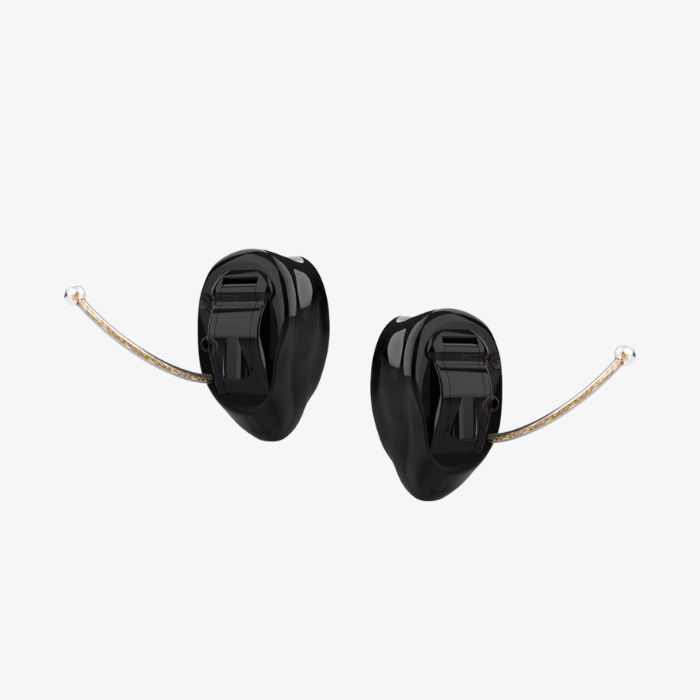
The post Hearing Loss Support: Top Gadgets You Need to Know appeared first on Healthcare Marketing Service.

Hearing Loss: Adjusting Daily Routines for New Challenges

Last Updated on 18/11/2025 by Admin

In-Depth Analysis of Hearing Loss and Its Significant Effects

What Are the Leading Factors Contributing to Hearing Loss?

Hearing loss is a complex condition shaped by a variety of elements that can profoundly affect an individual’s day-to-day experiences. One of the primary culprits is aging, which often leads to a gradual deterioration of hearing abilities, a condition commonly referred to as presbycusis. As individuals age, the delicate structures within the inner ear may deteriorate, making it increasingly difficult to perceive high-frequency sounds. Another significant factor is exposure to loud noise; prolonged exposure to sounds surpassing 85 decibels, such as those encountered in concert environments or construction sites, can inflict irreversible damage on the hair cells within the cochlea, leading to permanent hearing impairment. Additionally, genetics can play a crucial role, as hereditary hearing loss may manifest at any point in life and typically presents itself as a progressive decline. Specific medical conditions, including otosclerosis and Meniere’s disease, can also have adverse effects on hearing, resulting in fluctuations or permanent impairment. Gaining a comprehensive understanding of these causes is essential for developing effective prevention strategies and pursuing appropriate treatment options.

How Does Hearing Loss Influence Communication Effectiveness?

The impact of hearing loss on communication can be significant and can deeply affect interpersonal relationships. Individuals suffering from hearing impairment often encounter obstacles in engaging in conversations, which can lead to major misunderstandings. For instance, a person might misinterpret a question or respond inaccurately due to missing critical words, resulting in frustration for both parties involved. This barrier to effective communication can further contribute to heightened feelings of social isolation. Within professional settings, the inability to hear colleagues during meetings or phone calls can hinder teamwork and lower overall productivity. The emotional repercussions of these challenges may prompt individuals to withdraw from social situations, intensifying feelings of loneliness and alienation. Therefore, it is vital to understand how hearing loss impacts communication to foster supportive environments that encourage inclusion and enhance engagement.

Proven Techniques for Effectively Managing Hearing Loss

Effectively managing hearing loss requires a holistic approach that encompasses a range of actionable strategies. A commonly employed method involves the use of hearing aids, which amplify sounds and can be customised to suit an individual’s specific hearing profile. In addition, lip-reading can prove to be an invaluable skill, enabling individuals to gather information from visual cues during conversations. Implementing communication strategies can further enhance understanding; for instance, speaking clearly and ensuring that the person with hearing loss can see facial expressions and lip movements can be beneficial. Moreover, engaging in active listening techniques, including asking clarifying questions, can help to minimise misunderstandings. Altogether, these methods contribute to improving daily interactions, fostering more effective communication in both personal and professional arenas.

Expert Insights on the Effects of Hearing Loss on Daily Life

What Advice Do Audiologists Offer for Enhancing Daily Living?

Audiologists, as specialists in hearing health, provide invaluable advice for adjusting daily routines to effectively accommodate hearing loss. Regular hearing assessments are crucial for monitoring hearing health and identifying any deterioration at an early stage. The adoption of assistive devices, such as hearing aids and cochlear implants, is often recommended to enhance auditory experiences significantly. Furthermore, communication training can empower individuals with essential skills needed to navigate interactions more adeptly. Below is a compilation of key recommendations from audiologists that can greatly enhance daily life:

  • Regularly schedule hearing assessments to track changes.
  • Invest in high-quality hearing aids tailored to specific needs.
  • Engage in communication strategy workshops.
  • Utilise visual aids and cues to improve comprehension.
  • Create an environment that reduces background noise.
  • Encourage open discussions about hearing needs with friends and family.
  • Explore smartphone applications designed to assist with hearing.
  • Join local or online support groups for hearing loss.

These expert insights equip individuals experiencing hearing loss to navigate their daily lives more effectively, promoting independence and enhancing overall quality of life.

How Can Technology Improve Life Quality for Those with Hearing Loss?

The evolution of modern technology presents numerous solutions that support individuals with hearing loss, facilitating better communication and increased independence. Hearing aids are among the most commonly used devices, available in various styles and functions to suit different hearing profiles. Many contemporary hearing aids come equipped with wireless capabilities, allowing users to stream audio directly from their smartphones, which enriches the listening experience in challenging environments. Additionally, smartphone applications can offer valuable features such as sound amplification and real-time captioning. For instance, applications like Otter.ai provide transcription services that can be particularly useful during conversations or meetings. Moreover, visual alert systems can notify users of critical sounds, such as doorbells or alarms, through flashing lights. These technological advancements empower individuals with hearing loss, enabling smoother interactions and enhancing their daily functioning.

The Vital Role of Support Networks for Individuals Experiencing Hearing Loss

Support networks play a crucial role in assisting individuals with hearing loss as they navigate the complexities of daily life. Both emotional and practical support from family, friends, and hearing loss communities can significantly ease the challenges encountered. Engaging with these supportive networks allows individuals to share their experiences, discover valuable resources, and access effective coping strategies. Family members can learn essential communication techniques, such as speaking clearly and using visual aids, which foster improved interactions. Community groups often provide platforms for discussions and sharing advice, mitigating feelings of isolation and cultivating a sense of belonging. These connections can also lead to critical resources, including information about hearing aids, local support services, and assistive technologies. Ultimately, establishing a robust support network is essential for enhancing the quality of life for those affected by hearing loss.

How Does Hearing Loss Impact Everyday Communication?

Hearing loss significantly alters the dynamics of everyday communication, creating challenges for individuals across diverse environments. Conversations in noisy settings, such as restaurants or crowded events, can become exceedingly difficult, often resulting in misunderstandings and frustration. The struggle to hear specific words or sounds may lead individuals to withdraw from discussions, reinforcing feelings of social isolation. To address these challenges, strategies such as lip-reading, leveraging visual cues, and employing clear speech can greatly enhance communication. Engaging with others in quieter locations or utilising tools like speech-to-text applications can also improve interactions. By understanding the implications of hearing loss on communication, individuals and their communities can implement practical measures that foster inclusivity and understanding, ultimately enhancing social engagement.

How to Create Hearing-Friendly Home and Work Environments

Adapting both home and work environments to accommodate individuals with hearing loss can lead to transformative improvements in daily life. Optimising acoustics is essential; incorporating materials such as carpets, curtains, and upholstered furniture can help absorb sound and lessen echoes, resulting in a quieter atmosphere. Furthermore, integrating visual alerts, such as flashing light doorbells or alarm clocks, ensures that critical notifications are not missed. Ergonomic design features, such as seating arrangements that facilitate face-to-face interactions, can enhance communication by allowing individuals to read lips and observe facial expressions. Additionally, installing assistive listening devices in meeting rooms or communal spaces can further promote positive hearing experiences. These simple yet impactful changes can create inclusive settings, allowing individuals with hearing loss to thrive in both home and workplace environments.

Daily Obstacles Encountered by Individuals with Hearing Loss and Effective Coping Strategies

What Common Daily Challenges Do Individuals with Hearing Loss Face?

Individuals living with hearing loss frequently encounter various daily challenges that can significantly affect their quality of life. One of the most pressing struggles involves navigating noisy environments, where distinguishing speech from background noise becomes increasingly arduous. This difficulty often leads to feelings of frustration, particularly during social interactions where individuals may feel excluded from conversations. Additionally, comprehending spoken language can pose challenges; individuals may struggle to follow discussions, especially when multiple speakers are involved or when technical jargon is used. These communication barriers can foster feelings of isolation, as individuals may opt to withdraw from social activities to avoid the discomfort of inadequate engagement. Recognising these daily struggles is crucial for developing effective coping mechanisms and fostering supportive environments that enable individuals with hearing loss to thrive.

What Effective Strategies Can Help Navigate Social Situations with Hearing Loss?

Successfully managing social situations while dealing with hearing loss requires strategic planning and effective communication techniques. One practical approach is to choose quieter settings for social gatherings, significantly enhancing the ability to hear and engage in conversations. Informing friends and family about one’s hearing requirements can cultivate a more supportive atmosphere, allowing them to adjust their communication methods, such as facing the individual while speaking and minimising background noise. Utilising visual cues, such as gestures or facial expressions, can further improve comprehension during interactions. Practising active listening skills, including nodding to acknowledge understanding and asking clarifying questions, empowers individuals with hearing loss, making social engagements more enjoyable. By implementing these strategies, individuals can navigate social situations with greater ease and confidence, reducing stress and enhancing their overall experience.

How Can Mindfulness Techniques Benefit Individuals with Hearing Loss?

Mindfulness practices can offer essential support for individuals grappling with the emotional and psychological challenges associated with hearing loss. Techniques such as meditation, deep breathing exercises, and present-moment awareness can help alleviate feelings of stress and anxiety that often accompany communication difficulties. By focusing on the present moment, individuals can develop a greater sense of calm and acceptance regarding their hearing loss. Mindfulness training can also enhance emotional resilience, empowering individuals to approach social situations with increased confidence and a positive outlook. Furthermore, engaging in mindfulness can promote overall well-being, leading to a more fulfilling life. By incorporating mindfulness into their daily routines, individuals can better cope with the challenges of hearing loss, ultimately improving their quality of life.

What Innovative Technological Aids Are Available for Managing Hearing Loss?

The advent of technological aids has revolutionised the way individuals with hearing loss manage their daily interactions and enhance their quality of life. Hearing aids remain the most widely acknowledged devices designed to amplify sounds and improve auditory clarity. Recent advancements have led to the development of cochlear implants, which offer substantial benefits for those experiencing profound hearing loss. Additionally, assistive listening devices (ALDs), including FM systems, loop systems, and infrared systems, can be utilised in various settings such as classrooms and theatres to facilitate clearer hearing by minimising background noise. These devices operate by transmitting sound directly to an individual’s hearing aid or cochlear implant, providing a more personalised listening experience. By harnessing these technological solutions, individuals with hearing loss can maintain meaningful connections and enhance their overall daily functioning.

Fostering Inclusive Work Environments Through Thoughtful Adaptations

What Workplace Modifications Are Beneficial for Employees with Hearing Loss?

Creating an inclusive workplace for individuals with hearing loss involves implementing specific adaptations tailored to their unique needs. One effective modification is the use of noise-cancelling headphones, which help reduce distracting sounds, enabling employees to concentrate on their work tasks. Integrating visual alerts for notifications, meetings, or alarms ensures that critical communications do not go unnoticed. Providing communication training for coworkers can also foster a more understanding environment, equipping them with tools to engage more effectively with colleagues who have hearing loss. Furthermore, offering written materials during meetings can assist individuals in following discussions comfortably. By adopting these strategies, organisations can enhance productivity and job satisfaction for employees with hearing loss, contributing to a more supportive workplace.

Why Are Inclusive Work Environments Important?

Cultivating an inclusive work environment is crucial not only for the well-being of employees with hearing loss but also for promoting overall workplace diversity. Educating coworkers about hearing loss and its implications can foster greater empathy and understanding. Training programmes that emphasise effective communication strategies, such as speaking clearly and facing individuals while speaking, can help bridge the gap between employees with hearing loss and their peers. Providing essential tools, such as assistive listening devices and accessible meeting formats, ensures that everyone can fully participate in discussions. By nurturing an inclusive atmosphere, organisations not only enhance the experiences of employees with hearing loss but also cultivate a culture that values diversity and encourages collaboration among all team members.

What Legal Rights and Protections Exist for Employees with Hearing Loss?

Employees with hearing loss are entitled to specific legal rights and protections designed to ensure their ability to work in a supportive environment. These rights often encompass accommodations such as modified workspaces, assistive devices, and flexible communication strategies. Laws like the Americans with Disabilities Act (ADA) mandate that employers provide reasonable accommodations for employees with disabilities, including those with hearing impairments. Understanding these rights empowers individuals with hearing loss to advocate for their needs within the workplace. Below is a list of key legal rights and protections that individuals should be aware of:

  • The right to reasonable accommodations in the workplace.
  • Protection against discrimination based on disability.
  • The right to participate in training and meetings in an accessible manner.
  • Confidentiality regarding disability-related information.
  • The right to request modifications to enhance communication.
  • The right to accessible emergency protocols and procedures.
  • Protection against retaliation for requesting accommodations.
  • The right to access resources and support from HR.

Being informed about these rights equips employees to navigate the workplace with increased confidence, fostering a sense of empowerment and advocacy in their professional lives.

What Strategies Can Be Employed for Effectively Implementing Accommodations?

Effectively implementing accommodations for employees with hearing loss necessitates a thoughtful approach that evaluates individual needs and promotes inclusivity. The process begins with conducting a thorough assessment of the specific requirements of the employee, taking into account their unique challenges and preferences. Engaging in open dialogue with the employee ensures that their input is valued and that the accommodations are tailored to their needs. Regularly reviewing the effectiveness of these accommodations is also essential, allowing for adjustments as the individual’s needs evolve. Consulting with audiologists or occupational therapists can provide additional insights into effective strategies for implementation. By prioritising communication and collaboration, organisations can establish a supportive work environment that empowers employees with hearing loss to thrive and achieve success.

Understanding the Effects of Hearing Loss on Family Relationships

What Effective Communication Strategies Can Families Use?

Implementing effective communication strategies within families is vital for fostering understanding and reducing tension related to hearing loss. Family members should prioritise clear speech, ensuring they articulate words distinctly without mumbling or turning away while speaking. Maintaining eye contact allows individuals with hearing loss to read lips and observe facial expressions, thereby enhancing comprehension. Utilising visual aids, such as written notes or gestures, can provide additional context during conversations. Establishing a routine for discussing important topics in quiet settings minimises distractions and promotes better communication. Encouraging open dialogues about hearing needs empowers family members to adjust their communication styles, ultimately strengthening family bonds and minimising misunderstandings.

How Does Hearing Loss Affect Children and Spouses?

Hearing loss can significantly transform the dynamics within families, particularly concerning children and spouses. Often, children may unwittingly assume increased responsibilities, such as facilitating communication with peers or acting as intermediaries during family discussions. This shift can lead to feelings of burden or anxiety among young family members. Similarly, spouses may experience changes in their roles, taking on more communication duties and potentially feeling overwhelmed. Recognising these dynamics is essential for cultivating a supportive family environment. Open dialogue about the challenges and adjustments necessary can help families navigate these changes, ensuring that all members feel valued and understood, thereby promoting harmony and cooperation.

How Can Families Effectively Support a Member with Hearing Loss?

Families play a pivotal role in supporting a member with hearing loss, and there are numerous ways they can offer meaningful assistance. First, educating themselves about hearing loss and its implications enables family members to comprehend the challenges faced by their loved one. Attending appointments together can help families remain informed about treatment options and technology, fostering a sense of unity. Engaging in communication training can equip families with essential skills for effective interaction. Additionally, providing emotional support through patience and understanding is crucial for alleviating feelings of frustration. Below is a list of practical ways families can provide support:

  • Educate themselves about hearing loss and its impacts.
  • Accompany loved ones to hearing appointments to learn about treatment options.
  • Practice effective communication strategies as a family.
  • Create a supportive and understanding environment.
  • Encourage participation in social activities.
  • Provide emotional reassurance and patience.
  • Facilitate access to support groups or resources.
  • Celebrate progress and improvements together.

These supportive actions significantly enhance the quality of life for family members with hearing loss, enabling them to thrive within their familial context.

Research-Based Insights on How Hearing Loss Alters Daily Life

What Do Studies Indicate About the Benefits of Using Hearing Aids?

Research consistently highlights the advantages of hearing aids in improving the lives of individuals with hearing loss. Numerous studies demonstrate that hearing aids substantially enhance communication abilities, leading to better social interactions and an elevated quality of life. Additionally, users frequently report improved cognitive function, as enhanced auditory input can stimulate mental processes and reduce the risk of cognitive decline linked to untreated hearing loss. This is particularly significant given that hearing loss has been correlated with increased risks of depression and social isolation. Understanding these benefits can encourage individuals to seek and utilise hearing aids effectively. Below are actionable steps for selecting and using hearing aids:

  • Consult with an audiologist to assess hearing needs.
  • Explore diverse types of hearing aids to identify the best fit.
  • Schedule regular follow-up appointments to adjust settings.
  • Utilise smartphone applications that enhance functionality.
  • Participate in hearing rehabilitation programmes for optimal usage.
  • Stay informed about advancements in hearing aid technology.
  • Practice using hearing aids in various environments.
  • Seek support from local hearing loss communities.

These steps empower individuals to maximise the benefits of their hearing aids, ultimately leading to improved overall well-being.

Why Is Early Intervention for Hearing Loss Crucial?

Early detection and intervention for hearing loss are vital in mitigating its effects and improving long-term outcomes. Research emphasises that addressing hearing issues promptly can prevent further deterioration and support better communication development, particularly in children. Regular hearing evaluations facilitate timely interventions, such as fitting hearing aids or providing speech therapy, which can significantly enhance the trajectory of an individual’s hearing health. Understanding the significance of early intervention promotes proactive measures that can lead to an improved quality of life. Expert analysis suggests that early action fosters better social integration, academic success, and emotional well-being for those affected by hearing loss.

What Are the Long-Term Consequences of Untreated Hearing Loss?

The long-term ramifications of untreated hearing loss can be profound, affecting various aspects of life. Individuals who do not seek treatment may face heightened risks of social isolation, as communication difficulties can lead to withdrawal from social interactions. This isolation often contributes to feelings of depression and loneliness, further complicating mental health challenges. Moreover, untreated hearing loss has been linked to cognitive decline, with studies indicating an accelerated risk of dementia and other cognitive impairments. Recognising these long-term effects underscores the necessity of seeking timely treatment and intervention, emphasising the importance of awareness and access to hearing health resources.

How to Adapt Lifestyle for Improved Quality of Life

How Do Diet and Exercise Affect Hearing Health?

Maintaining a balanced diet and engaging in regular exercise can significantly impact overall health and potentially benefit hearing. Nutrients such as omega-3 fatty acids, found in fish, and antioxidants in fruits and vegetables may support auditory health by combating oxidative stress that can damage hearing structures. Furthermore, maintaining a healthy weight through regular physical activity can reduce the risk of conditions such as high blood pressure and diabetes, both of which can adversely affect hearing. Engaging in cardiovascular exercises enhances circulation, which is critical for delivering oxygen and nutrients to the inner ear. By adopting a holistic approach to health, individuals can support their hearing and improve their overall quality of life.

What Strategies Can Enhance Quality of Life for Individuals with Hearing Loss?

Adjusting hobbies and interests can play a vital role in enhancing the quality of life for individuals with hearing loss. Participating in group activities that facilitate visual communication, such as art classes or team sports, can foster social connections while accommodating hearing challenges. Utilising assistive technology, such as captioned video calls or hearing-friendly theatres, can make entertainment more accessible. Additionally, maintaining social connections through support groups or community activities nurtures a sense of belonging and diminishes feelings of isolation. These adjustments enable individuals with hearing loss to lead fulfilling lives, underscoring that hearing impairment does not have to hinder personal growth and enjoyment.

What Psychological Effects Are Associated with Hearing Loss?

The psychological effects of hearing loss can be profound, often resulting in feelings of frustration, isolation, and even depression. The continuous struggle to communicate effectively can lead to heightened anxiety, particularly in social situations where misunderstandings may arise. Individuals may also experience a sense of loss regarding their social roles or identities, contributing to decreased self-esteem. Addressing these psychological impacts is essential for improving mental health and overall well-being. Engaging in counselling or participating in support groups can provide individuals with coping strategies and emotional support, assisting them in navigating the challenges related to hearing loss.

How Does Quality of Sleep Affect Hearing Health?

Quality sleep is crucial for overall health, including hearing health. Research suggests that poor sleep quality may exacerbate stress levels and worsen hearing issues. Chronic sleep deprivation can lead to fatigue and diminished cognitive function, making it increasingly difficult to cope with hearing loss. Additionally, sleep disturbances are linked to conditions such as tinnitus, further complicating hearing health. Prioritising good sleep hygiene, including establishing a consistent sleep schedule and creating a restful environment, can enhance overall health and potentially alleviate hearing-related challenges.

What Techniques Can Help Manage Stress to Support Hearing Wellness?

Chronic stress can adversely affect hearing health, influencing emotional well-being and overall quality of life. Implementing stress management techniques, such as meditation, yoga, and deep breathing exercises, can help maintain or improve hearing wellness. These practices promote relaxation, alleviate anxiety, and bolster emotional resilience, enabling individuals to cope more effectively with the challenges posed by hearing loss. Dedicating time to mindfulness activities and prioritising self-care can foster a greater sense of control and well-being, ultimately benefiting both mental health and hearing health.

Frequently Asked Questions About Hearing Loss

What Are the Common Signs of Hearing Loss?

Common signs of hearing loss include difficulty understanding conversations, frequently asking for repetitions, challenges hearing in noisy environments, and an increased volume on electronic devices.

How Can Someone Schedule a Hearing Test?

To obtain a hearing test, individuals can visit an audiologist or hearing specialist, who will perform a comprehensive evaluation utilizing various tests to assess hearing ability.

What Types of Hearing Aids Are Available?

Several types of hearing aids exist, including behind-the-ear (BTE), in-the-ear (ITE), receiver-in-canal (RIC), and completely-in-canal (CIC) models, each catering to different hearing needs.

Are There Alternatives to Hearing Aids for Managing Hearing Loss?

Yes, alternatives to hearing aids include cochlear implants, assistive listening devices, auditory training programs, and communication strategies such as lip-reading.

How Can I Support a Loved One Dealing with Hearing Loss?

Supporting a loved one experiencing hearing loss can involve educating oneself about their condition, attending appointments together, practising effective communication strategies, and providing emotional encouragement.

What Lifestyle Changes Can Help Prevent Hearing Loss?

To prevent hearing loss, individuals can avoid exposure to loud noises, utilise hearing protection, maintain a healthy diet, and manage health conditions such as diabetes and hypertension.

Is Hearing Loss Reversible?

In certain situations, temporary hearing loss caused by earwax blockage or middle ear infections can be treated, but most forms of permanent hearing loss cannot be reversed.

How Does Social Isolation Connect to Hearing Loss?

Social isolation can stem from hearing loss due to communication difficulties, leading individuals to withdraw from social interactions and events, negatively impacting their overall well-being.

What Resources Are Available for Those with Hearing Loss?

Resources for individuals with hearing loss include local support groups, audiologists, hearing aid manufacturers, online communities, and educational materials from hearing health organisations.

Is Following Up After Receiving Hearing Aids Important?

Yes, follow-up appointments after receiving hearing aids are crucial for adjustments to ensure optimal performance and effectiveness, as well as to address any concerns that may arise during use.

Explore our world on X!

The post Hearing Loss: Adapting Daily Routines for Life Changes appeared first on The Microsuction Ear Wax Removal Network.
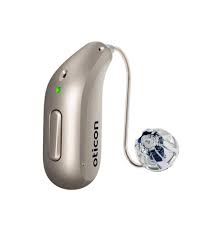
Hearing Loss: Adjusting Daily Routines for New Challenges

Last Updated on 18/11/2025 by Admin

In-Depth Analysis of Hearing Loss and Its Life-Altering Effects

What Are the Key Factors Leading to Hearing Loss?

Hearing loss is a complex condition influenced by a variety of factors that can dramatically affect an individual’s lifestyle and well-being. One predominant cause is aging, which typically leads to a gradual decline in auditory capabilities, a condition referred to as presbycusis. As individuals age, the delicate structures within the inner ear may deteriorate, causing difficulties in perceiving high-frequency sounds. Another critical contributor is exposure to loud noise. Continuous exposure to sounds above 85 decibels, often encountered in environments like concerts or construction sites, can inflict permanent damage on the hair cells within the cochlea, leading to irreversible hearing impairment. Moreover, genetics plays a significant role; hereditary hearing loss can manifest at any point in life, often presenting as a progressive decline. Medical conditions such as otosclerosis and Meniere’s disease can also impact hearing, resulting in either fluctuating or permanent hearing loss. Recognising these causes is essential for developing effective prevention strategies and pursuing appropriate treatment options.

How Does Hearing Loss Affect Communication Effectiveness?

The effects of hearing loss on communication can be profound, significantly influencing interpersonal relationships and social interactions. Individuals experiencing hearing impairment often struggle to engage in conversations, which can lead to considerable misunderstandings. For instance, a person may misinterpret a question or fail to catch vital words, resulting in incorrect responses and frustration for everyone involved. This communication barrier can also foster feelings of social isolation. In professional settings, difficulties in hearing colleagues during meetings or phone conversations can hinder teamwork and reduce overall productivity. The emotional toll of these challenges may lead individuals to withdraw from social situations, exacerbating feelings of loneliness and alienation. Thus, understanding the effects of hearing loss on communication is crucial in creating supportive environments that encourage inclusion and facilitate meaningful engagement.

Proven Strategies for Effectively Managing Hearing Loss

Effectively managing hearing loss requires a holistic approach that integrates a variety of practical strategies. One prevalent solution involves the use of hearing aids, devices designed to amplify sounds and tailored to fit an individual’s specific hearing profile. Additionally, acquiring skills in lip-reading can be tremendously beneficial, enabling individuals to extract information from visual cues during conversations. Implementing effective communication strategies can further enhance understanding; techniques such as speaking clearly and ensuring that the person with hearing loss can see facial expressions and lip movements can make a difference. Engaging in active listening practices, which include asking clarifying questions, can also mitigate misunderstandings. Collectively, these strategies not only improve daily interactions but also promote effective communication in both personal and professional contexts.

Expert Insights on the Influence of Hearing Loss on Daily Life

What Guidance Do Audiologists Offer for Daily Living Adjustments?

Audiologists, as specialists in the field of hearing health, provide invaluable insights for adapting daily routines to effectively accommodate hearing loss. Regular hearing assessments are vital for monitoring hearing health and detecting any deterioration early. Often, audiologists recommend the adoption of assistive devices, such as hearing aids and cochlear implants, to enhance auditory experiences. Additionally, providing communication training empowers individuals with essential skills for navigating interactions more competently. Here is a list of key recommendations from audiologists that can significantly enhance daily life:

  • Schedule regular hearing assessments to track changes in hearing ability.
  • Invest in high-quality hearing aids that are customised to meet individual needs.
  • Participate in workshops focused on communication strategies.
  • Utilise visual aids and cues to improve comprehension.
  • Create environments that minimise background noise distractions.
  • Encourage open discussions about hearing needs with friends and family members.
  • Explore smartphone applications aimed at assisting with hearing challenges.
  • Join local or online support groups for individuals with hearing loss.

These expert recommendations empower individuals with hearing loss to navigate their daily lives more effectively, fostering independence and enhancing overall quality of life.

How Can Technological Innovations Improve Life for Individuals with Hearing Loss?

The rapid advancement of modern technology presents a plethora of solutions that support individuals with hearing loss, enhancing communication and promoting independence. Hearing aids are among the most prevalent devices available, available in various styles and functionalities tailored to different hearing profiles. Many contemporary hearing aids feature wireless capabilities, allowing users to stream audio directly from their smartphones, enriching their listening experience, particularly in challenging environments. Additionally, smartphone applications can offer valuable functionalities, including sound amplification and real-time captioning. For example, applications like Otter.ai provide transcription services that can be exceptionally beneficial during conversations or meetings. Furthermore, visual alert systems can notify users of important sounds, such as doorbells or alarms, via flashing lights. These technological advancements empower individuals with hearing loss, facilitating smoother interactions and enhancing their day-to-day functioning.

The Vital Role of Support Networks for Those Experiencing Hearing Loss

Support networks play a crucial role in assisting individuals with hearing loss as they navigate the various complexities of daily life. Emotional and practical support from family, friends, and hearing loss communities can significantly alleviate the challenges faced. Engaging with these supportive networks allows individuals to share personal experiences, discover invaluable resources, and access effective coping strategies. Family members can learn essential communication techniques, such as speaking clearly and employing visual aids, which foster improved interactions. Community groups often provide platforms for discussion and advice sharing, helping to diminish feelings of isolation and cultivating a sense of belonging. These connections can also lead to critical resources, including information about hearing aids, local support services, and assistive technologies. Ultimately, building a robust support network is essential for enhancing the quality of life for those impacted by hearing loss.

How Does Hearing Loss Impact Everyday Communication Dynamics?

Hearing loss profoundly changes the dynamics of everyday communication, presenting challenges for individuals across various settings. Conversations in noisy environments, such as restaurants or crowded events, become increasingly difficult, often leading to misunderstandings and frustration. The struggle to discern certain words or sounds may cause individuals to withdraw from discussions, further entrenching feelings of social isolation. To tackle these challenges, strategies such as lip-reading, leveraging visual cues, and employing clear speech can greatly improve communication effectiveness. Engaging with others in quieter settings or using tools like speech-to-text applications can also facilitate better interactions. By understanding how hearing loss affects communication, individuals and their communities can adopt practical measures to promote inclusivity and understanding, ultimately enhancing social engagement.

Creating Environments That Support Individuals with Hearing Loss at Home and Work

Modifying both home and work environments to better accommodate individuals with hearing loss can lead to transformative improvements in daily life. Optimising acoustics is essential; incorporating materials such as carpets, curtains, and upholstered furniture can absorb sound and reduce echoes, resulting in a quieter atmosphere. Additionally, integrating visual alerts, such as flashing light doorbells or alarm clocks, ensures that essential notifications are not missed. Ergonomic design features, such as seating arrangements that promote face-to-face interactions, can enhance communication by allowing individuals to read lips and observe facial expressions. Furthermore, installing assistive listening devices in meeting rooms or communal spaces can further facilitate positive hearing experiences. These straightforward yet impactful adjustments can create inclusive settings, allowing individuals with hearing loss to flourish in both home and workplace environments.

Everyday Challenges Encountered by Individuals with Hearing Loss and Effective Coping Strategies

What Common Daily Struggles Do Individuals with Hearing Loss Face?

Individuals living with hearing loss consistently encounter a range of daily challenges that can significantly impact their quality of life. One of the most pressing difficulties involves navigating noisy environments, where distinguishing speech from background noise becomes increasingly challenging. This struggle often leads to feelings of frustration, particularly during social interactions where individuals may feel excluded from conversations. Additionally, understanding spoken language can pose challenges; individuals may find it hard to follow discussions, especially when multiple speakers are involved or when technical jargon is used. These communication barriers can foster feelings of isolation, causing individuals to avoid social activities to evade the discomfort of inadequate engagement. Recognising these daily struggles is crucial for developing effective coping mechanisms and fostering supportive environments that enable individuals with hearing loss to thrive.

Strategic Approaches for Successfully Navigating Social Situations with Hearing Loss

Successfully managing social situations while dealing with hearing loss requires strategic planning and effective communication techniques. One practical approach is to opt for quieter settings for social gatherings, significantly enhancing the ability to hear and participate in conversations. Informing friends and family about one’s hearing requirements can help create a more supportive environment, allowing them to adjust their communication methods, such as facing the individual while speaking and minimising background noise. Utilising visual cues, such as gestures or facial expressions, can further enhance comprehension during interactions. Practising active listening skills, including nodding to acknowledge understanding and asking clarifying questions, empowers individuals with hearing loss, making social engagements more enjoyable. By applying these strategies, individuals can navigate social situations with greater ease and confidence, reducing stress and enriching their overall experience.

How Can Mindfulness Techniques Support Individuals with Hearing Loss?

Mindfulness practices can provide essential support for individuals grappling with the emotional and psychological challenges associated with hearing loss. Techniques like meditation, deep breathing exercises, and present-moment awareness can effectively alleviate feelings of stress and anxiety that often accompany communication difficulties. By focusing on the present moment, individuals can cultivate a greater sense of calm and acceptance regarding their hearing loss. Mindfulness training can also bolster emotional resilience, empowering individuals to approach social situations with increased confidence and a positive mindset. Moreover, engaging in mindfulness can promote overall well-being, leading to a more enriching life experience. By integrating mindfulness into their daily routines, individuals can better cope with the challenges of hearing loss, ultimately enhancing their quality of life.

Revolutionary Technological Aids for Effective Hearing Loss Management

The emergence of technological aids has revolutionised the way individuals with hearing loss manage their daily interactions and enhance their overall quality of life. Hearing aids remain the most recognised devices designed to amplify sounds and enhance auditory clarity. Recent advancements have led to the development of cochlear implants, offering significant benefits for those experiencing profound hearing loss. Furthermore, assistive listening devices (ALDs), including FM systems, loop systems, and infrared systems, can be employed in a variety of settings such as classrooms and theatres to facilitate clearer hearing by minimising background noise. These devices transmit sound directly to an individual’s hearing aid or cochlear implant, providing a more tailored listening experience. By leveraging these technological solutions, individuals with hearing loss can maintain meaningful connections and enhance their overall daily functioning.

Fostering Inclusive Work Environments Through Thoughtful Adaptations

What Adjustments Can Enhance Workplace Inclusivity for Employees with Hearing Loss?

Creating an inclusive workplace for individuals with hearing loss involves implementing specific adjustments that cater to their unique needs. One effective adaptation is the incorporation of noise-cancelling headphones, which help reduce distracting sounds, allowing employees to focus on their work tasks. Introducing visual alerts for notifications, meetings, or alarms ensures that essential communications are not overlooked. Providing communication training for colleagues can also cultivate a more understanding atmosphere, equipping them with tools to engage more effectively with co-workers who experience hearing loss. Additionally, offering written materials during meetings can assist individuals in comfortably following discussions. By embracing these strategies, organisations can enhance productivity and job satisfaction for employees with hearing loss, fostering a more supportive workplace culture.

The Importance of Fostering Inclusivity in Work Environments

Cultivating an inclusive workplace is essential not only for the welfare of employees with hearing loss but also for promoting overall diversity within the organisation. Educating colleagues about hearing loss and its implications can nurture greater empathy and understanding. Training programmes that emphasise effective communication strategies, such as speaking clearly and addressing individuals directly, can bridge the gap between employees with hearing loss and their peers. Providing essential tools, such as assistive listening devices and accessible meeting formats, ensures that everyone can fully participate in discussions. By fostering an inclusive atmosphere, organisations enhance the experiences of employees with hearing loss while cultivating a culture that values diversity and encourages collaboration among all team members.

Understanding Employee Rights and Protections for Those with Hearing Loss

Employees with hearing loss are entitled to specific legal rights and protections designed to ensure their ability to work in an accommodating environment. These rights often include provisions for accommodations such as modified workspaces, assistive devices, and flexible communication strategies. Laws like the Americans with Disabilities Act (ADA) mandate that employers provide reasonable accommodations for employees with disabilities, including those with hearing impairments. Understanding these rights empowers individuals with hearing loss to advocate for their needs within the workplace. Below is a list of key legal rights and protections that individuals should be aware of:

  • The right to reasonable accommodations in the workplace.
  • Protection against discrimination based on disability.
  • The right to participate in training and meetings in an accessible manner.
  • Confidentiality regarding disability-related information.
  • The right to request modifications to enhance communication.
  • The right to accessible emergency protocols and procedures.
  • Protection against retaliation for requesting accommodations.
  • The right to access resources and support from HR.

Being informed about these rights equips employees to navigate the workplace with greater confidence, fostering a sense of empowerment and advocacy in their professional lives.

Strategies for Successfully Implementing Accommodations

Effectively implementing accommodations for employees with hearing loss requires a thoughtful approach that evaluates individual needs and promotes inclusivity. The process begins with conducting a comprehensive assessment of the specific requirements of the employee, taking into account their unique challenges and preferences. Engaging in open dialogue with the employee ensures that their input is valued, and accommodations are tailored to their needs. Regularly reviewing the effectiveness of these accommodations is also vital, allowing for adjustments as the individual’s requirements evolve. Consulting with audiologists or occupational therapists can provide additional insights into effective strategies for implementation. By prioritising communication and collaboration, organisations can create a supportive work environment that empowers employees with hearing loss to succeed and thrive.

Exploring the Impact of Hearing Loss on Family Relationships

How Can Families Implement Effective Communication Strategies?

Implementing effective communication strategies within families is essential for fostering understanding and minimising tension related to hearing loss. Family members should prioritise clear speech, ensuring they articulate words distinctly without mumbling or turning away while speaking. Maintaining eye contact allows individuals with hearing loss to read lips and observe facial expressions, thereby enhancing their comprehension. Incorporating visual aids, such as written notes or gestures, can provide additional context during conversations. Establishing a routine for discussing significant topics in quiet settings reduces distractions and promotes better communication. Encouraging open dialogues about hearing needs empowers family members to modify their communication styles, ultimately strengthening family bonds and minimising misunderstandings.

Examining the Effects of Hearing Loss on Children and Spouses

Hearing loss can significantly alter family dynamics, particularly concerning children and spouses. Often, children may inadvertently take on increased responsibilities, such as facilitating communication with peers or acting as intermediaries during family discussions. This shift can create feelings of burden or anxiety among younger family members. Likewise, spouses may experience changes in their roles, assuming more communication responsibilities and potentially feeling overwhelmed. Acknowledging these dynamics is critical for fostering a supportive family environment. Open discussions about the challenges and adjustments required can assist families in navigating these changes, ensuring that all members feel valued and understood, thereby promoting harmony and cooperation.

What Ways Can Families Support a Member Facing Hearing Loss?

Families play a pivotal role in supporting a member with hearing loss, and numerous ways exist to provide meaningful assistance. First, educating themselves about hearing loss and its implications enables family members to understand the challenges their loved one faces. Accompanying family members to appointments can help everyone stay informed about treatment options and technology, fostering a sense of unity. Participating in communication training can equip families with essential skills for effective engagement. Additionally, offering emotional support through patience and understanding is vital for alleviating feelings of frustration. Here is a list of practical ways families can provide support:

  • Educate themselves about hearing loss and its impacts.
  • Attend appointments with loved ones to learn about treatment options.
  • Practice effective communication strategies as a family unit.
  • Create a supportive and understanding environment.
  • Encourage involvement in social activities.
  • Provide emotional reassurance and patience.
  • Facilitate access to support groups or resources.
  • Celebrate progress and improvements together.

These supportive actions significantly enhance the quality of life for family members with hearing loss, enabling them to thrive within their familial context.

Empirical Insights on How Hearing Loss Transforms Daily Routines

What Do Research Findings Indicate Regarding the Benefits of Hearing Aids?

Research consistently highlights the benefits of hearing aids in improving the lives of individuals with hearing loss. Numerous studies demonstrate that hearing aids markedly enhance communication abilities, leading to improved social interactions and a higher quality of life. Furthermore, users frequently report enhanced cognitive functioning, as improved auditory input can stimulate mental processes and reduce the risk of cognitive decline associated with untreated hearing loss. This is particularly significant, considering that hearing loss has been linked to increased risks of depression and social isolation. Understanding these advantages can encourage individuals to seek and utilise hearing aids effectively. Below are actionable steps for selecting and optimally using hearing aids:

  • Consult with an audiologist to evaluate hearing needs.
  • Explore various types of hearing aids to identify the most suitable options.
  • Schedule regular follow-up appointments to adjust settings as needed.
  • Utilise smartphone applications that enhance hearing aid functionality.
  • Participate in hearing rehabilitation programmes for optimal usage.
  • Stay informed about advancements in hearing aid technology.
  • Practice using hearing aids in different environments.
  • Seek support from local hearing loss communities.

These steps empower individuals to maximise the benefits of their hearing aids, ultimately leading to improved overall well-being and quality of life.

The Critical Role of Early Intervention in Hearing Loss Management

Early detection and intervention for hearing loss are crucial in mitigating its effects and enhancing long-term outcomes. Research underscores that promptly addressing hearing issues can prevent further deterioration and support better communication development, especially in children. Regular hearing evaluations enable timely interventions, such as fitting hearing aids or providing speech therapy, which can significantly improve the trajectory of an individual’s hearing health. Recognising the significance of early intervention encourages proactive measures that can lead to an enhanced quality of life. Expert analyses suggest that early action fosters better social integration, academic success, and emotional well-being for those affected by hearing loss.

Long-Term Consequences Associated with Untreated Hearing Loss

The long-term effects of untreated hearing loss can be severe, impacting various life aspects. Individuals who do not seek treatment may face increased risks of social isolation, as communication difficulties can lead to withdrawal from social interactions. This isolation often contributes to feelings of depression and loneliness, further complicating mental health challenges. Additionally, untreated hearing loss has been associated with cognitive decline, with studies indicating a heightened risk of dementia and other cognitive impairments. Acknowledging these long-term implications underscores the necessity of seeking timely treatments and interventions, highlighting the importance of awareness and access to resources related to hearing health.

Enhancing Quality of Life Through Lifestyle Adjustments

How Do Nutrition and Exercise Affect Hearing Health?

Maintaining a balanced diet and engaging in regular physical activity can significantly influence overall health and potentially benefit hearing. Nutrients such as omega-3 fatty acids, found in fish, along with antioxidants present in fruits and vegetables, may support auditory health by combating oxidative stress that can damage hearing structures. Moreover, maintaining a healthy weight through consistent exercise can lower the risk of conditions like high blood pressure and diabetes, both of which can negatively impact hearing. Participating in cardiovascular exercises improves circulation, vital for delivering oxygen and nutrients to the inner ear. By adopting a holistic approach to health, individuals can support their hearing and enhance their overall quality of life.

Boosting Quality of Life for Individuals with Hearing Loss

Adjusting hobbies and interests can significantly elevate the quality of life for individuals with hearing loss. Engaging in group activities that facilitate visual communication, such as art classes or team sports, can foster social connections while accommodating hearing challenges. Utilising assistive technology, such as captioned video calls or hearing-friendly theatres, can render entertainment more accessible. Furthermore, maintaining social connections through support groups or community activities nurtures a sense of belonging and mitigates feelings of isolation. These adjustments enable individuals with hearing loss to lead fulfilling lives, emphasising that hearing impairment need not hinder personal development and enjoyment.

What Psychological Effects Are Linked to Hearing Loss?

The psychological ramifications of hearing loss can be profound, often resulting in feelings of frustration, isolation, and even depression. The ongoing struggle to communicate effectively can heighten anxiety, particularly in social scenarios where misunderstandings may occur. Individuals may also experience a sense of loss regarding their social roles or identities, contributing to diminished self-esteem. Addressing these psychological impacts is essential for enhancing mental health and overall well-being. Participating in counselling or joining support groups can provide individuals with effective coping strategies and emotional support, aiding them in navigating the challenges associated with hearing loss.

How Does Sleep Quality Influence Hearing Health?

Quality sleep is vital for overall health, including hearing health. Research indicates that poor sleep quality may exacerbate stress levels and worsen hearing issues. Chronic sleep deprivation can lead to fatigue and reduced cognitive function, making it increasingly challenging to cope with hearing loss. Furthermore, sleep disturbances are associated with conditions such as tinnitus, complicating hearing health further. Prioritising good sleep hygiene, including establishing a consistent sleep schedule and creating a restful environment, can bolster overall health and potentially alleviate hearing-related challenges.

Managing Stress for Better Hearing Wellness

Chronic stress can negatively impact hearing health, affecting emotional well-being and overall life quality. Implementing stress management techniques, such as meditation, yoga, and deep breathing exercises, can support the maintenance or improvement of hearing wellness. These practices promote relaxation, reduce anxiety, and strengthen emotional resilience, allowing individuals to cope more effectively with the challenges posed by hearing loss. Dedicating time to mindfulness activities and prioritising self-care can foster a greater sense of control and well-being, ultimately benefiting both mental health and hearing wellness.

Frequently Asked Questions Regarding Hearing Loss

What Are the Typical Signs Indicating Hearing Loss?

Common signs of hearing loss include difficulties in understanding conversations, frequently asking for repetitions, challenges in hearing within noisy environments, and an increased volume on electronic devices.

How Can Someone Arrange a Hearing Test?

To obtain a hearing test, individuals may visit an audiologist or hearing specialist, who will conduct a comprehensive evaluation using various tests to assess hearing ability.

What Varieties of Hearing Aids Are Available?

Several types of hearing aids are available, including behind-the-ear (BTE), in-the-ear (ITE), receiver-in-canal (RIC), and completely-in-canal (CIC) models, each tailored to different hearing requirements.

Are There Alternatives to Hearing Aids for Managing Hearing Loss?

Yes, alternatives to hearing aids include cochlear implants, assistive listening devices, auditory training programmes, and communication strategies such as lip-reading.

How Can I Support a Loved One Dealing with Hearing Loss?

Supporting a loved one experiencing hearing loss may involve educating oneself about their condition, attending appointments together, practising effective communication strategies, and offering emotional encouragement.

What Lifestyle Changes Can Help Prevent Hearing Loss?

To prevent hearing loss, individuals should avoid exposure to loud noises, use hearing protection, maintain a nutritious diet, and manage health issues such as diabetes and hypertension.

Is Hearing Loss Reversible?

In certain cases, temporary hearing loss caused by earwax blockage or middle ear infections can be treated; however, most forms of permanent hearing loss are irreversible.

How Is Social Isolation Related to Hearing Loss?

Social isolation can arise from hearing loss due to communication difficulties, leading individuals to withdraw from social interactions and events, negatively affecting their overall well-being.

What Resources Are Accessible for Those with Hearing Loss?

Resources for individuals with hearing loss include local support groups, audiologists, hearing aid manufacturers, online communities, and educational materials from hearing health organisations.

Is Following Up After Receiving Hearing Aids Necessary?

Yes, follow-up appointments after receiving hearing aids are essential for making adjustments to ensure optimal performance and effectiveness, as well as for addressing any concerns that may arise during their use.

Discover our world on X!

The post Hearing Loss: Adapting Daily Routines for Life Changes appeared first on The Microsuction Ear Wax Removal Network.

The post Hearing Loss: Adapting Daily Routines for Life Changes appeared first on Healthcare Marketing Service.